When we think about clay, we often imagine pottery, sculptures, and perhaps a science project or two. But did you know that the secret to clay’s versatility lies in its composition? At the heart of this composition is a mineral called alumina. Let’s delve into the world of clay minerals and explore how alumina plays a crucial role in clay’s properties and uses. Whether you’re an artist, a potter, or simply someone intrigued by materials science, understanding alumina’s role opens up a world of possibilities and appreciation for the art and science behind ceramics.
What is Alumina?
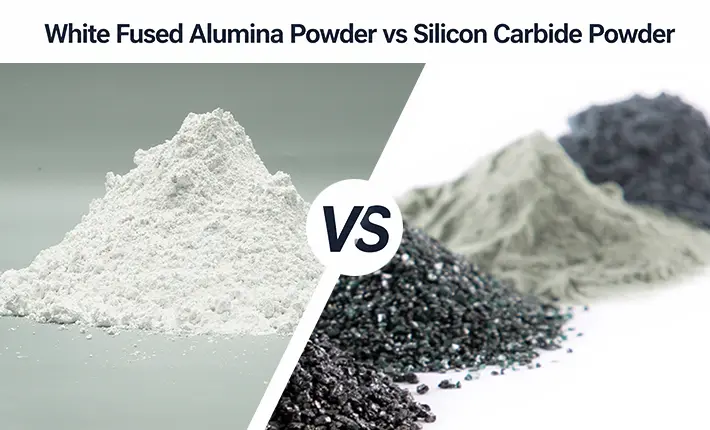
Alumina, scientifically known as aluminum oxide (Al2O3), is a naturally occurring compound found in various minerals. It is most commonly extracted from bauxite ore. In the realm of ceramics and pottery, alumina serves as a key ingredient in clay and glazes. But its significance extends beyond just ceramics; alumina is a cornerstone in multiple industries due to its versatile properties.
Properties of Alumina
Alumina is recognized for its hardness, high melting point, and resistance to chemical attack. These properties make it an essential component in the manufacturing of refractory products, which are materials capable of withstanding high temperatures. Beyond its basic characteristics, alumina’s electrical insulation and thermal conductivity make it invaluable in electronic applications. Its inert nature allows it to be used in environments where chemical stability is crucial.
Sources of Alumina
The primary source of alumina is bauxite, a sedimentary rock rich in aluminum minerals. Bauxite is mined in several countries, with Australia and Guinea being the largest producers. The extraction process involves refining bauxite into alumina through the Bayer process, a method that purifies the ore by dissolving it in sodium hydroxide. Another source of alumina is recycled aluminum products, which help reduce environmental impact and conserve natural resources.
Applications Beyond Ceramics
While ceramics and pottery showcase alumina’s utility in art and functional ware, its applications in other fields are vast. In the medical industry, alumina is used in the fabrication of hip replacements and dental implants due to its biocompatibility. In electronics, its thermal properties make it ideal for substrates in microchips and LEDs. Moreover, alumina’s role in producing synthetic sapphire for scratch-resistant watch faces and smartphone screens highlights its multifaceted nature.
The Composition of Clay
Clay is a natural material composed of fine-grained minerals. It primarily consists of silica, alumina, and water, along with other minerals like quartz, feldspar, and mica. The proportions of these minerals can vary, resulting in different types of clay, each with its unique characteristics. Understanding these variations is crucial for artists and manufacturers alike, as they directly affect the clay’s behavior during shaping and firing.
Types of Clay
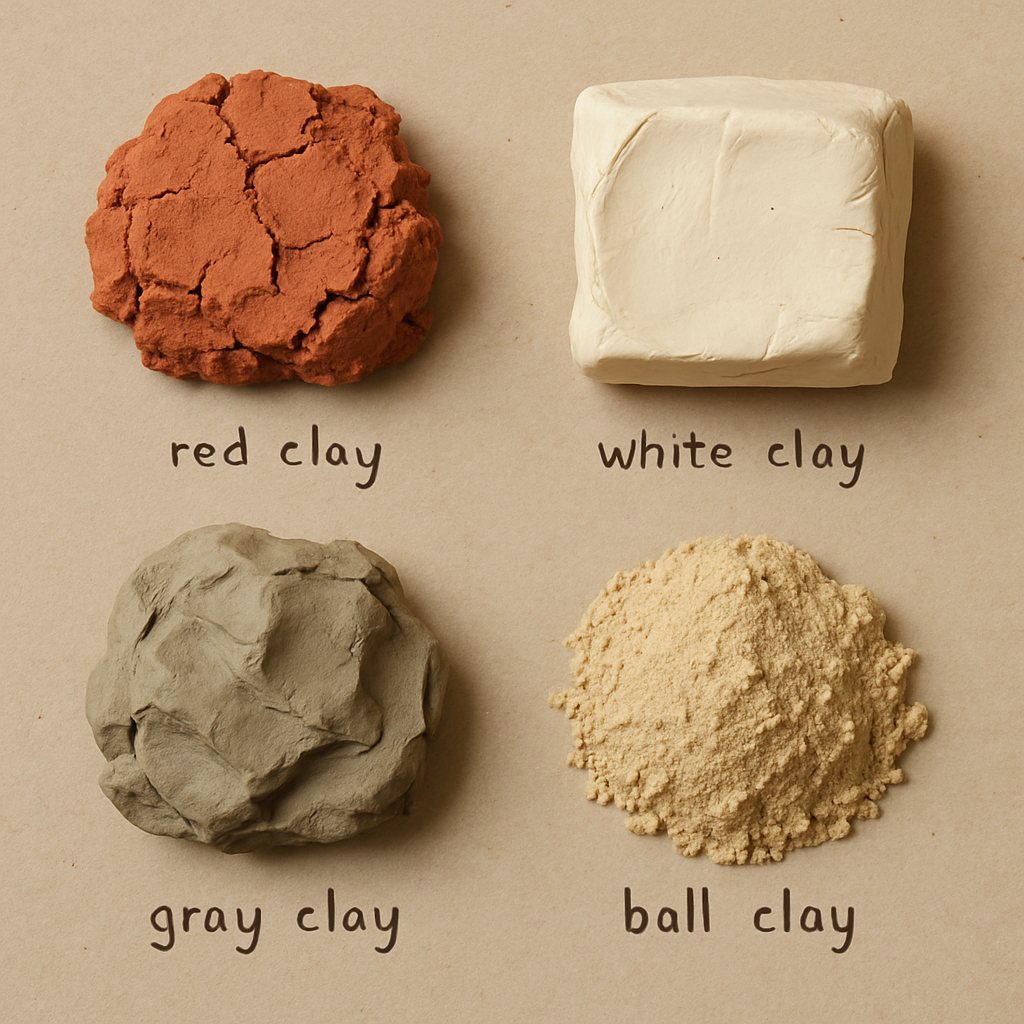
There are several types of clay, each distinguished by its mineral composition and particle size. The most common types include:
- Kaolin (China Clay): High in alumina and silica, kaolin is known for its purity and whiteness. It is used extensively in porcelain production. Its fine particle size and low plasticity make it ideal for fine china and delicate ceramics.
- Ball Clay: Contains a higher percentage of silica and organic matter. It is plastic and moldable, making it ideal for pottery. This clay enhances the workability and strength of ceramic bodies, contributing to its popularity among potters.
- Fire Clay: Rich in alumina, fire clay can withstand high temperatures, making it suitable for refractory products. Its use extends to kiln linings and firebricks, providing heat resistance and structural integrity.
- Stoneware Clay: A mixture of various clays, it is durable and often used for functional pottery. Its robustness and versatility make it a favorite for tableware and kitchenware, as it can handle daily use and thermal stress.
Mineral Composition and Influence
The mineral composition of clay affects its color, texture, and workability. For instance, iron oxide imparts a reddish hue, while high alumina content can increase whiteness and hardness. The presence of mica can add sparkle and influence the clay’s thermal properties. Understanding these nuances allows potters and manufacturers to select the right clay for their specific needs.
Water Content and Plasticity
Water plays a crucial role in the plasticity of clay, enabling it to be shaped and molded. The right balance of water is essential; too much can make the clay sticky and unworkable, while too little can cause it to crack. Managing water content is a skill that potters develop over time, ensuring their creations are both beautiful and structurally sound.
Geological Formation and Availability
Clay deposits are formed over millions of years through the weathering of rocks and minerals. The availability of different types of clay depends on geological factors and regional conditions. This variability influences local pottery traditions and the availability of materials for industrial use, making the study of clay deposits a fascinating intersection of geology and cultural history.
The Role of Alumina in Clay
Alumina is a fundamental component of clay, contributing to its various properties and functions in ceramics and pottery. Its influence extends from the plasticity of the clay to its behavior during firing, playing a pivotal role in the creation of durable and aesthetically pleasing ceramic pieces.
Plasticity and Workability
Alumina enhances the plasticity of clay, making it easier to shape and mold. This property is particularly important for potters and sculptors who rely on clay’s pliability to create intricate designs. The right balance of alumina ensures that clay can be easily manipulated without cracking or losing form, a crucial factor for artists and industrial applications alike.
Firing and Strength
During the firing process, alumina helps to strengthen the clay body. It interacts with other minerals to form a glassy matrix that binds the particles together, resulting in a durable ceramic piece. This transformation is critical in achieving the structural integrity required for both artistic and functional ceramics, allowing them to withstand everyday use and environmental stress.
Glazing and Surface Finish
In addition to its role in the clay body, alumina is a key ingredient in glazes. It acts as a stabilizer, preventing the glaze from running off the surface during firing. This results in a smooth, even finish that enhances the aesthetic appeal of ceramic pieces. By controlling the glaze’s behavior, alumina ensures consistent and high-quality finishes that meet both artistic and practical standards.
Thermal and Chemical Stability
Alumina’s contribution to the thermal and chemical stability of clay bodies cannot be overstated. It allows ceramics to withstand thermal shock and resist chemical erosion, properties essential for both household items and industrial components. This stability extends the lifespan of ceramic products and expands their range of applications, from cookware to scientific equipment.
Influence on Color and Texture
The presence of alumina can influence the color and texture of ceramic pieces. High alumina content often results in lighter, whiter ceramics, providing a neutral canvas for glazes and decorations. Additionally, its contribution to the texture can enhance the tactile quality of ceramics, making them more appealing to both the eye and the touch.
Understanding Alumina Glaze
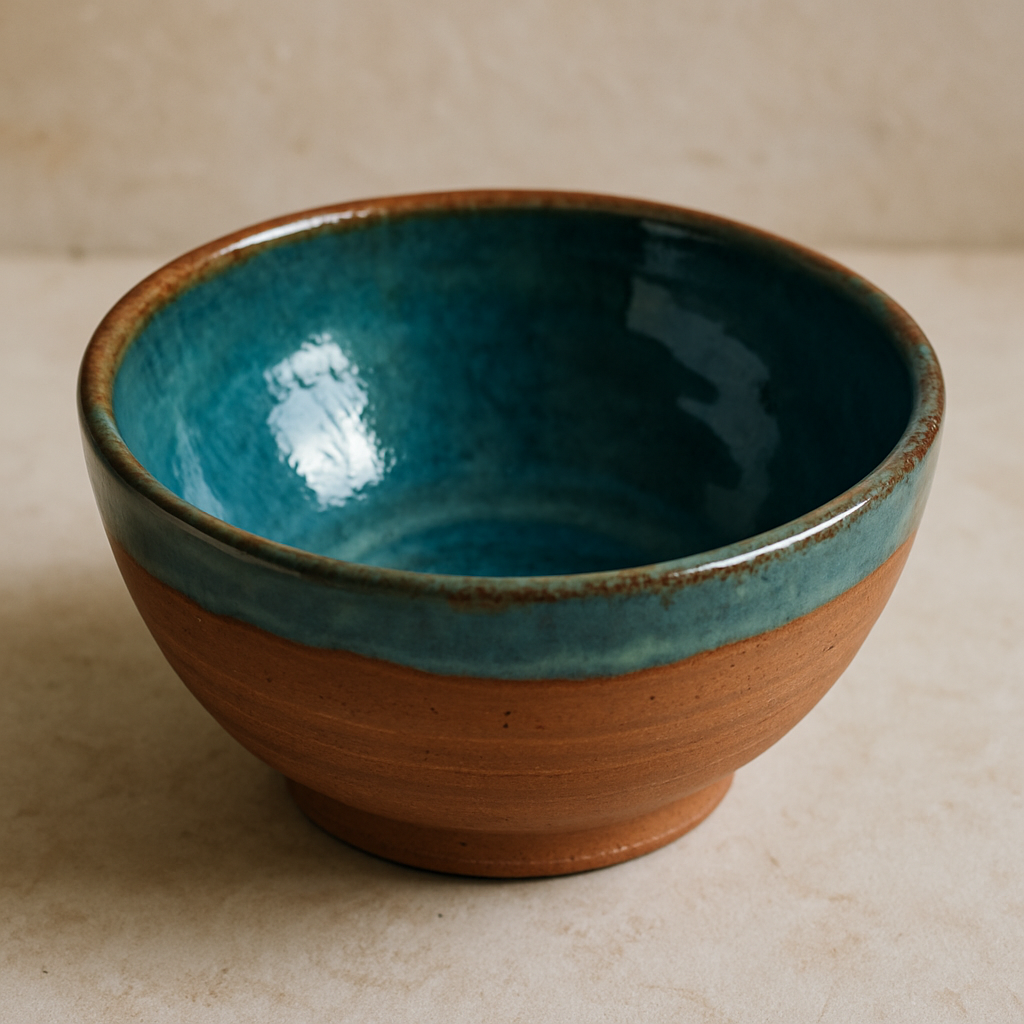
Alumina glaze is a type of ceramic glaze that contains a significant amount of alumina. It is known for its hardness and resistance to scratching and chipping. Alumina glaze is often used in tableware and other items that require a durable surface. Its application extends beyond just protection, offering aesthetic enhancements that elevate the visual appeal of ceramics.
Benefits of Alumina Glaze
- Durability: Alumina glaze provides a hard, scratch-resistant surface. This durability is essential for items subjected to frequent use and handling, ensuring they maintain their appearance and function over time.
- Aesthetic Appeal: It offers a smooth, glossy finish that enhances the visual appeal of ceramics. The reflective quality of the glaze adds depth and richness to the color, creating stunning pieces that captivate viewers.
- Chemical Resistance: Alumina glaze is resistant to acids and other chemicals, making it suitable for functional ware. This resistance ensures that ceramics maintain their integrity and safety when used for food and drink.

by servet photograph (https://unsplash.com/@servetphotograph)
Application Techniques
Applying an alumina glaze requires skill and precision. Techniques such as dipping, spraying, or brushing can be used, each offering unique effects. The application method affects the thickness and uniformity of the glaze, influencing the final appearance and performance of the ceramic piece. Mastery of these techniques allows artisans to achieve desired results and explore creative possibilities.
Customization and Innovation
Alumina glazes can be customized to achieve a wide range of colors and effects. By altering the composition and firing conditions, potters can create unique finishes that reflect personal style and artistic vision. Innovations in glaze technology continue to expand the potential of alumina glazes, offering new textures, colors, and functionalities.
Environmental Considerations
The production and use of alumina glazes involve environmental considerations. Efforts to reduce the environmental impact include using sustainable sources of raw materials and implementing recycling practices. As awareness grows, the ceramics industry is increasingly adopting eco-friendly methods, balancing artistry with environmental responsibility.
The Importance of Clay Composition
Understanding the composition of clay is essential for artists, potters, and manufacturers. The ratio of alumina to other minerals can significantly impact the clay’s properties and its suitability for specific applications. This knowledge empowers creators to make informed decisions, ensuring their work meets both aesthetic and functional criteria.
Testing and Adjusting Clay Composition
To achieve the desired properties, clay must be tested and adjusted. This involves analyzing the mineral content and making necessary modifications to optimize its performance. For instance, increasing the alumina content can enhance the clay’s strength and firing temperature. These adjustments require expertise and precision, often involving trial and error to perfect the clay body.
The Role of Technology in Composition Analysis
Modern technology plays a crucial role in analyzing and adjusting clay composition. Techniques such as X-ray diffraction and scanning electron microscopy provide detailed insights into the mineral structure and distribution. These tools enable precise control over clay properties, facilitating the development of advanced ceramic materials with specific characteristics.
Educational and Research Opportunities
Understanding clay composition offers educational and research opportunities for students and professionals alike. Institutions and laboratories conduct studies to explore the interactions between minerals and their effects on clay properties. This research contributes to the advancement of ceramic science, opening new avenues for innovation and discovery.
Impact on Cultural and Artistic Expression
Clay composition influences cultural and artistic expression, as different regions and traditions utilize locally available materials. This diversity is reflected in the variety of ceramic styles and techniques worldwide. By appreciating the role of composition, artists can connect with cultural heritage and explore new creative horizons.
Practical Applications of Alumina in Clay
Alumina’s unique properties make it indispensable in various applications beyond traditional pottery and ceramics. Its versatility and performance extend its use into numerous industries, showcasing its value as a multifaceted material.
Industrial Applications
- Refractory Materials: Alumina-rich clay is used to produce refractory bricks and linings for furnaces, kilns, and incinerators. These materials withstand extreme temperatures, protecting structures and ensuring efficient operation.
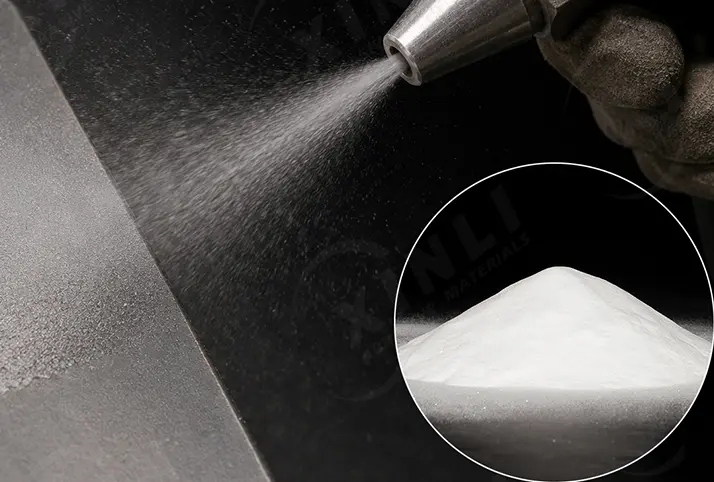
- Abrasives: Due to its hardness, alumina is used in the manufacturing of abrasive products like sandpaper and grinding wheels. These abrasives are essential in metalworking, woodworking, and other industries, providing precision and efficiency.
Artistic and Functional Pottery
Artists and potters leverage alumina’s properties to create both decorative and functional pieces. The enhanced strength and durability offered by alumina allow for the creation of intricate designs and long-lasting items. This combination of beauty and resilience is what makes ceramics a cherished art form and practical choice for everyday use.
Technological Advancements in Ceramic Engineering
The field of ceramic engineering continues to evolve, driven by the unique properties of alumina. Innovations include the development of advanced ceramic composites and coatings that enhance performance and durability. These advancements expand the possibilities for ceramic applications, from cutting-edge electronics to aerospace components.
Environmental and Economic Impacts
The production and use of alumina in clay have environmental and economic impacts. Sustainable practices, such as recycling and resource management, are crucial in minimizing ecological footprints. Economically, the demand for alumina-rich products drives growth in industries like construction, manufacturing, and technology, contributing to job creation and economic stability.
Conclusion
Alumina is an essential component of clay, playing a vital role in its plasticity, strength, and firing properties. Whether you’re an artist crafting a delicate porcelain vase or a manufacturer producing industrial refractory materials, understanding the role of alumina in clay is crucial. By exploring clay composition and the benefits of alumina glaze, we can appreciate the versatility and functionality that this mineral brings to the world of ceramics. In the end, the next time you hold a clay pot or admire a ceramic sculpture, you’ll know that it’s the alumina within that helps bring these creations to life.
Through its influence on clay and ceramics, alumina bridges the gap between art and science, tradition and innovation. Its presence in our everyday lives, from the kitchen to the laboratory, underscores its importance and the endless possibilities it offers. As we continue to explore and harness its potential, alumina will remain a cornerstone of creativity and progress in the world of materials.