
In the intricate world of ceramics and pottery, alumina stands out as a critical component. This naturally occurring element in clay is an oxide of aluminum, known for its significant influence on the properties and behavior of ceramic materials. Whether you’re a hobbyist exploring pottery for the first time or a seasoned professional ceramicist, a deep understanding of alumina’s role in clay can profoundly enhance your craft, leading to superior results and innovative creations.
What is Alumina?
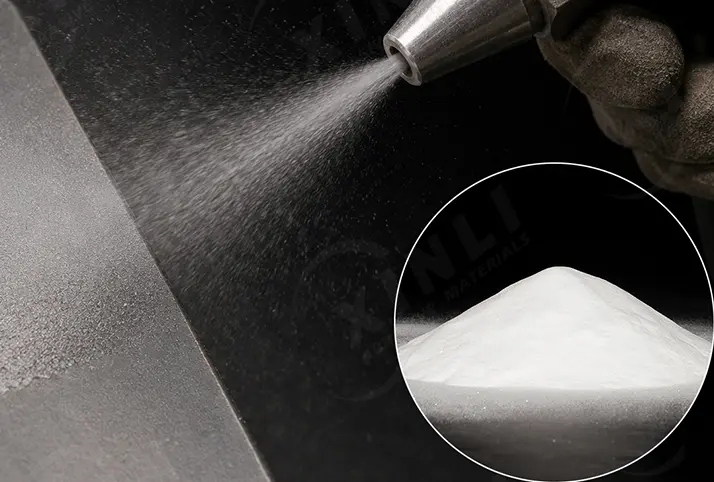
Alumina, scientifically known as aluminum oxide (Al2O3), is a compound composed of aluminum and oxygen. This substance appears as a white, powdery material that is remarkably resistant to heat and corrosion. It is this resistance that makes alumina invaluable in the realm of ceramics, where it is prized for enhancing the strength and durability of ceramic products. Its thermal and mechanical properties are leveraged in various applications, from everyday pottery to advanced industrial ceramics, underscoring its versatility and importance.
The Presence of Alumina in Clay
Clay is a naturally occurring material that inherently contains alumina, playing a crucial role in forming the structure of ceramic bodies. Typically, clay is composed of alumina, silica, and water. This trio forms the backbone of clay’s properties, influencing its plasticity, shrinkage, and firing temperature. The proportion of alumina in clay can vary, affecting the clay’s behavior during forming and firing, and ultimately determining the quality of the ceramic product. Understanding the specific balance of these components allows potters to tailor the clay to their needs, optimizing the ceramic process for different projects and artistic expressions.
Alumina’s Role in Ceramics
Alumina serves several pivotal functions in the realm of ceramic production, each contributing to the overall quality and performance of the finished ceramic item.
Enhancing Strength and Durability
One of alumina’s most celebrated attributes is its hardness and strength. When integrated into ceramic materials, alumina significantly boosts the mechanical strength, making the final product more robust and resistant to damage. This enhancement in durability is crucial for both functional and decorative ceramics, ensuring longevity and reducing the likelihood of breakage or chipping, which is particularly important in items subjected to daily use or environmental stresses.
Increasing Firing Temperature
The alumina content in clay also plays a vital role in determining the firing temperature. By raising the melting point of the clay, alumina allows ceramics with higher alumina content to withstand higher firing temperatures. This property is essential for creating items designed to endure high heat, such as kiln shelves and refractory bricks used in industrial settings. It also opens the door to producing ceramics with more complex and durable glazes, expanding the possibilities for creative and functional applications.
Impact on Plasticity and Workability
While alumina enhances strength, it also impacts the plasticity of the clay, which refers to the ease with which clay can be molded and shaped. A higher alumina content often results in stiffer clay, which can be more challenging to manipulate, particularly for intricate or delicate forms. Understanding this balance is crucial for potters and ceramicists who must adjust their techniques and formulations to accommodate the desired level of plasticity, ensuring that the clay remains workable while achieving the required strength.
Role in Glazing
Alumina’s influence extends into the realm of glazing as well. It is a significant component in glazes, contributing to their stability and preventing them from running off the ceramic piece during firing. The presence of alumina in glaze formulations can also impact the texture and opacity of the finished surface, allowing artists and ceramicists to achieve specific aesthetic effects. By manipulating alumina levels, creators can develop unique glaze finishes that enhance the visual appeal and tactile qualities of their work.
Balancing Alumina in Pottery
While alumina is a vital component, achieving the right balance in its use is essential for optimal results in pottery and ceramics.
Effects of Excess Alumina
An excessive amount of alumina in clay can lead to several challenges. It can make the clay less plastic and more difficult to shape and form, which can be a significant hurdle for potters aiming for precision and detail. Furthermore, too much alumina can push the firing temperature beyond the capabilities of standard kilns, leading to under-fired pieces that lack the desired strength and finish. Recognizing these potential issues is crucial for maintaining control over the ceramic process and ensuring successful outcomes.
Adjusting Alumina Levels
To achieve the desired properties, potters and ceramicists can adjust the alumina content by altering the clay body composition or incorporating other materials. This often involves a process of testing and experimentation to determine the optimal balance for specific projects. By adjusting the alumina levels, creators can tailor the clay’s characteristics to meet their precise needs, whether they are aiming for a particular texture, strength, or firing behavior. This flexibility is a key advantage in the ceramic arts, allowing for a wide range of creative and functional possibilities.
Practical Applications of Alumina in Ceramics
Beyond traditional pottery, alumina’s unique properties enable its use in various high-performance and artistic ceramic applications.
High-Performance Ceramics
The role of bauxite in ceramics extends beyond traditional pottery, with its unique properties playing a vital role in both high-performance and artistic ceramic applications. Bauxite’s hardness and thermal properties make it an ideal material for manufacturing cutting tools, electrical insulators, and heat-resistant tiles. These applications demonstrate bauxite’s versatility in ceramics, while the use of bauxite glazes further enhances its significance in both creative and functional ceramics. Understanding bauxite’s role in ceramics allows for a deeper exploration of its potential in modern pottery and industrial applications.
Artistic Expressions
For artists, a deep understanding of alumina’s role in ceramics allows for greater control and innovation in the creative process. By adjusting alumina content, artists can experiment with unique textures and finishes, enhancing their works’ aesthetic and tactile qualities. This knowledge empowers ceramic artists to push the boundaries of traditional techniques, exploring new artistic directions and achieving distinctive results that resonate with audiences and collectors alike.
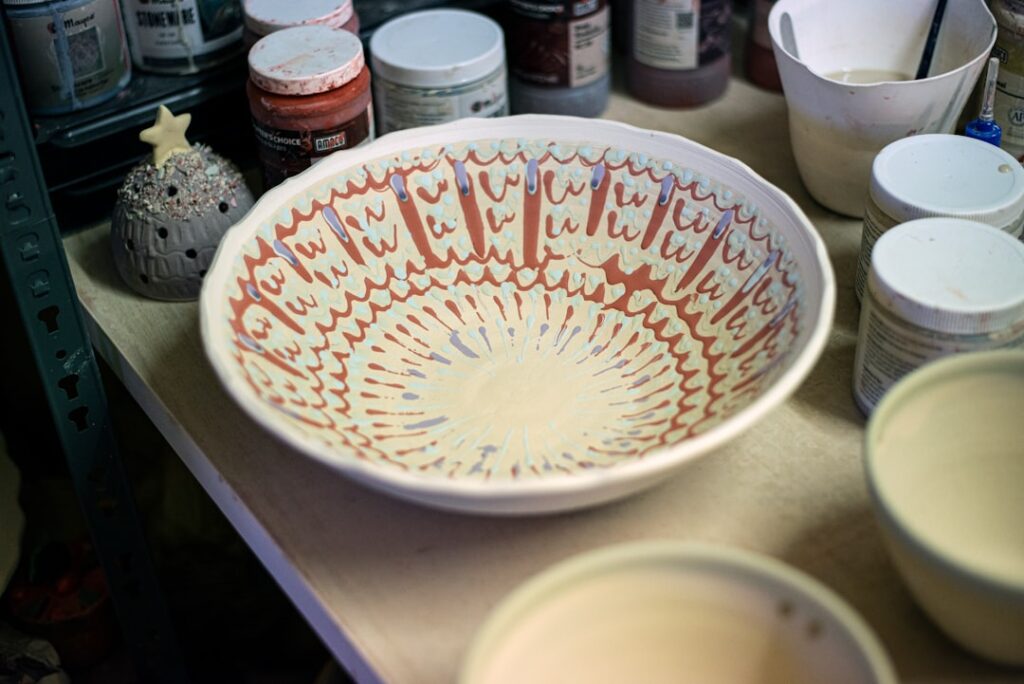
by Jonathan Cosens Photography (https://unsplash.com/@jcosens)
Conclusion
Alumina is an indispensable component in the world of ceramics and pottery, influencing the strength, durability, and workability of ceramic materials. By comprehending alumina’s role, potters and ceramicists can make informed decisions that enhance the quality and aesthetics of their creations. This understanding is not only crucial for functional ceramics but also for artistic pieces, offering a scientific foundation that supports creative exploration.
Whether crafting functional items or artistic masterpieces, appreciating the significance of alumina in clay can elevate your ceramic practice. Embrace the science behind the art, and let your knowledge of alumina guide you to new heights in your ceramic journey. As you delve deeper into the world of ceramics, this understanding will serve as a valuable asset, enabling you to create pieces that are not only beautiful but also enduring and resilient.