Alumina, also known as aluminum oxide, is a vital material in many industries. Its chemical formula, Al2O3, represents a compound with unique properties.
This article explores the alumina chemical formula in detail. We will delve into its structure, solubility, and various applications.
Understanding alumina’s properties is crucial for students and professionals in chemistry and materials science. It is a white crystalline powder with a high melting point.
Alumina’s structure is complex, featuring a hexagonal close-packed arrangement. This arrangement contributes to its stability and strength.
The solubility of Al2O3 in water is extremely low, making it practically insoluble. This property is significant for its use in various applications.
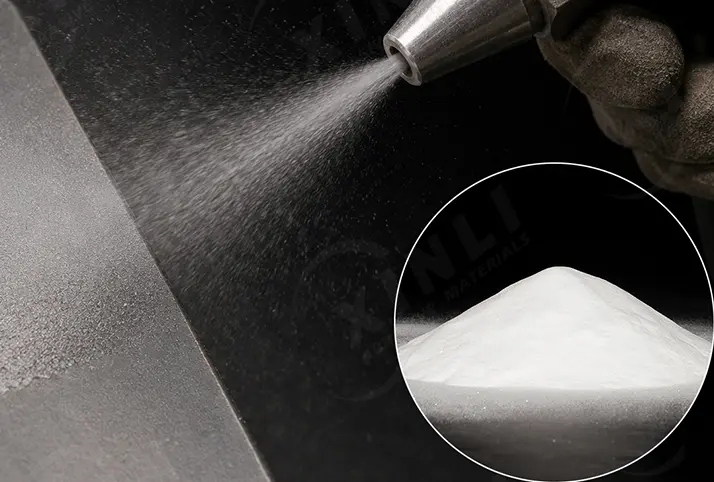
Alumina is used in the production of aluminum metal, ceramics, and abrasives. It also serves as a catalyst in chemical reactions.
The Bayer process is the primary method for refining bauxite to produce alumina. This process is essential for the aluminum industry.
Join us as we explore the fascinating world of alumina, its chemical formula, and its many uses.
The alumina chemical formula is essential to understanding the material’s properties and applications.
What is Alumina? An Overview
Alumina is a white, crystalline chemical compound. Its chemical formula is Al2O3, meaning it consists of aluminum and oxygen. This compound is among the most common oxides of aluminum.
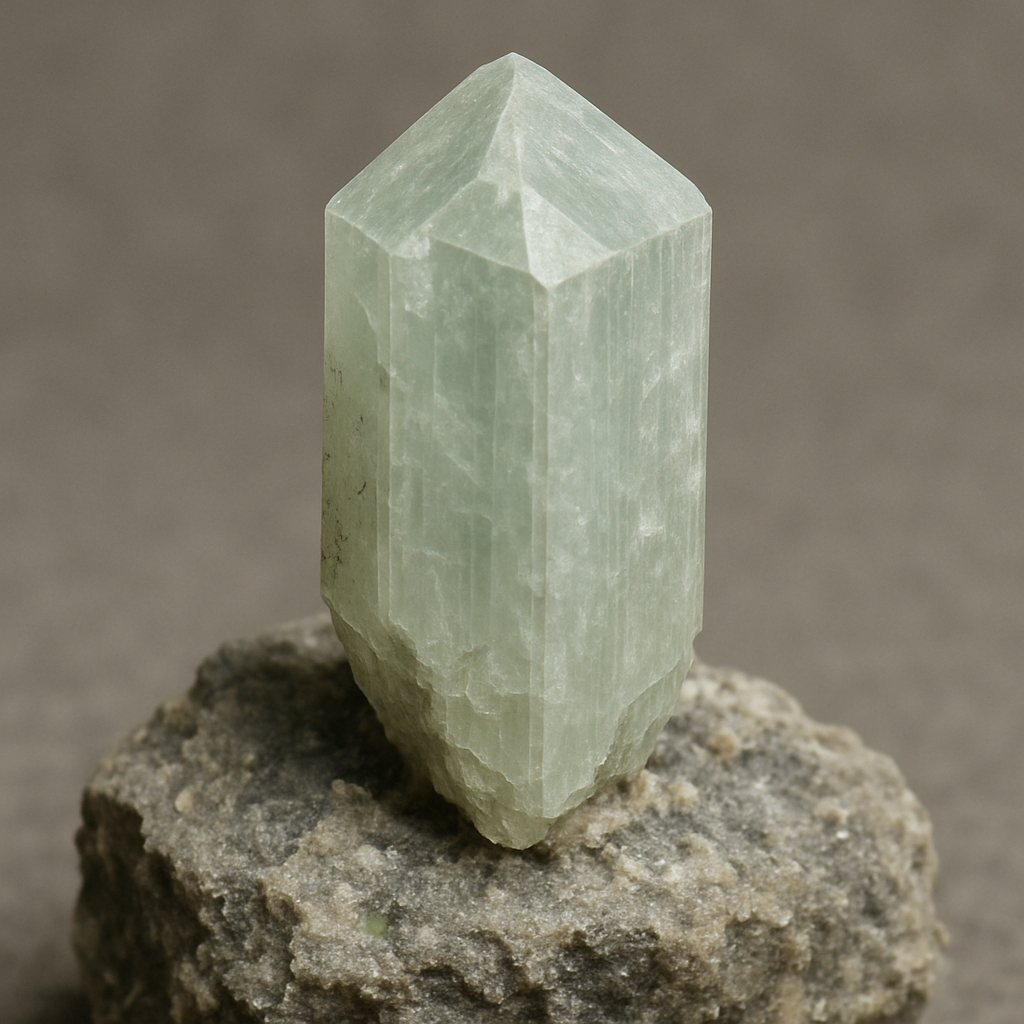
Known as aluminum oxide, alumina appears naturally in the environment. It is a significant component of bauxite ore, which is mined for aluminum production.
The material’s resilience under high temperatures makes it invaluable. Its thermal stability and high melting point allow for use in refractory applications.
Alumina is renowned for being both an electrical insulator and a thermal conductor. This makes it suitable for use in electronic applications where heat management is crucial.
Alumina serves various industries due to its versatility. Some of its prominent uses include:
- Refractory materials
- Ceramics manufacturing
- As an abrasive
- Chemical processing catalyst
Each application takes advantage of different properties of alumina. Its utility in various fields underscores its importance in modern technology.
Alumina’s presence extends beyond industrial use. It plays a role in medical devices due to its biocompatibility. This is evident in hip replacements and dental implants, where durability and compatibility with the human body are essential.
Thus, understanding alumina goes beyond its basic formula. Its diverse applications reveal its importance in both scientific and everyday contexts.
The Chemical Formula of Alumina
Alumina is scientifically recognized as aluminum oxide. Its chemical formula, Al2O3, indicates its composition. This formula shows two aluminum atoms bonding with three oxygen atoms.
This molecular structure defines many of alumina’s properties. The formula reflects the precise stoichiometric ratio needed to form this compound. It is essential to maintain this ratio for properties like thermal stability and insulating characteristics.
Alumina’s formation involves combining aluminum and oxygen under controlled conditions. The process requires heating aluminum oxide powder to high temperatures. It is vital in the production of aluminum-based materials.
The unique combination of aluminum and oxygen atoms gives alumina a robust ionic lattice structure. Understanding this formula helps researchers and engineers predict how alumina will behave in different conditions.
The chemical formula plays a critical role beyond academic study. It forms the basis for large-scale production processes. Manufacturers rely on its consistent composition when producing ceramics, refractories, and electrical insulators.
Alumina’s chemical formula signifies more than just the elements involved. It provides a window into its atomic structure and interaction behavior. This understanding is crucial for numerous applications across diverse fields.
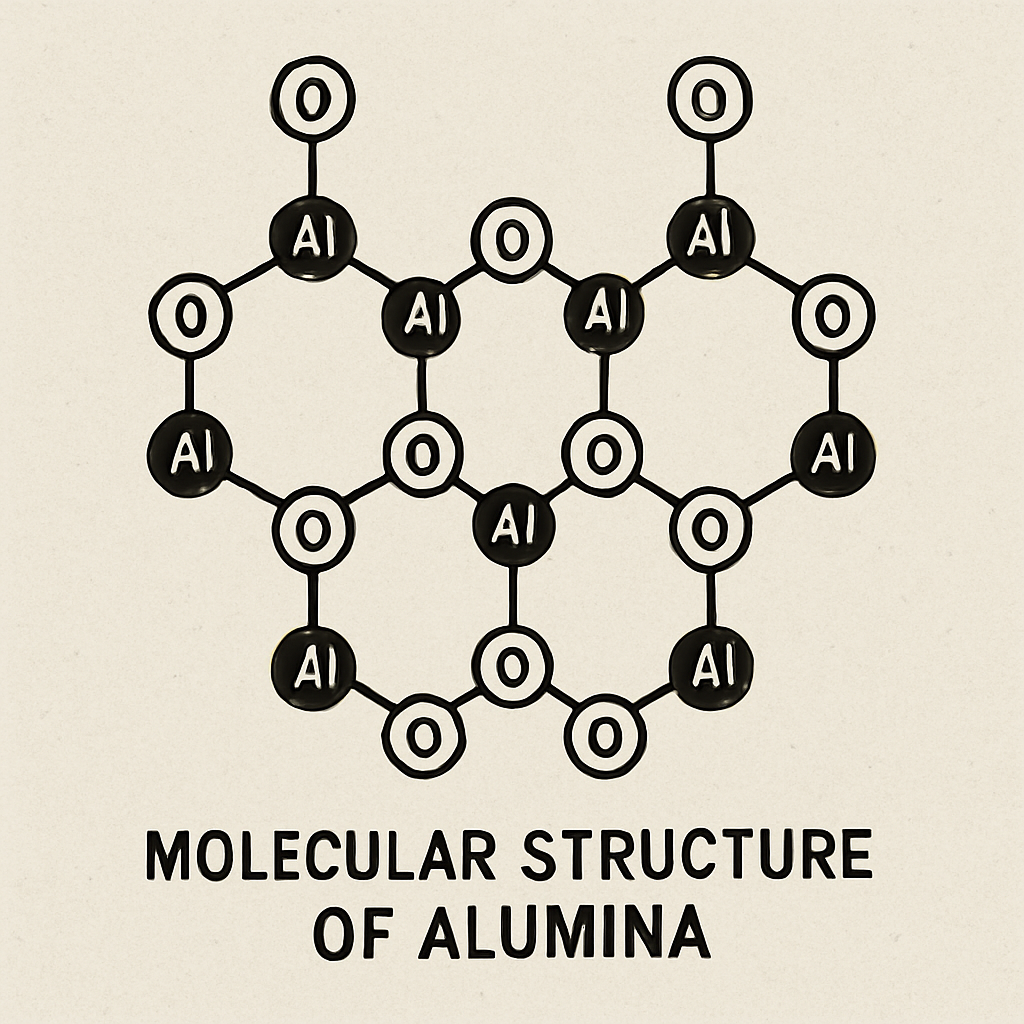
To summarize, here are a few important points regarding the formula of alumina:
- Chemistry: Al2O3 represents the precise chemical composition of alumina.
- Formation: Created by combining aluminum and oxygen, typically under high heat.
- Application: A foundational aspect in numerous industrial processes.
- Stability: Reflects the compound’s thermal and chemical properties.
Thus, the chemical formula Al2O3 extends far beyond a simple representation of elements. It encapsulates alumina’s essence as an industrial and scientific cornerstone. Understanding it is crucial for leveraging alumina’s full potential.
Alumina Structure: Atomic and Crystal Arrangement
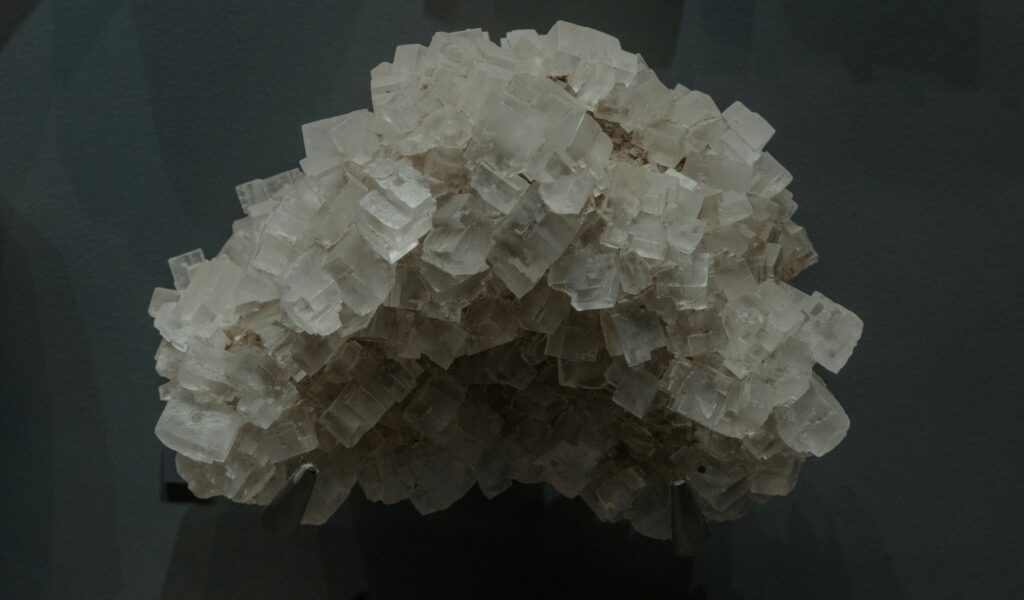
Alumina’s structure significantly influences its properties. It features a hexagonal close-packed arrangement of oxygen ions. Aluminum ions occupy two-thirds of the available octahedral interstices. This creates a robust ionic framework.
This specific atomic arrangement confers strength and durability. The tightly packed layers of ions allow for excellent load-bearing capacity. Alumina’s structural integrity is ideal for high-stress applications.
Alumina can exist in various crystalline phases. The most stable is the alpha phase, which is commonly used in industry. Each phase has distinct properties, impacting its applications differently.
Key Structural Features
- Ionic Framework: Comprised of aluminum and oxygen ions.
- Hexagonal Packing: Oxygen ions form a highly ordered structure.
- Interstitial Spaces: Aluminum fills only part of these, influencing stability.
- Crystal Phases: Alpha, gamma, and other phases with varying uses.
by Y M (https://unsplash.com/@ymoran)
The alpha phase, a key phase, is favored for its thermal stability. It is perfect for high-temperature environments like furnaces and kilns. In contrast, gamma alumina has more surface area, beneficial for catalytic uses.
These phases transition under specific conditions. Temperature and pressure changes can cause shifts. This is crucial in manufacturing processes, as phase changes affect end-product properties.
The crystal arrangement also affects alumina’s electron behavior. As an excellent insulator, it hinders electricity flow. This feature is pivotal in components like electrical insulators and substrates.
Despite the complexity of its atomic arrangement, alumina’s structure supports its versatility. Researchers continue to explore ways to manipulate these crystal features. Doing so may expand its range of applications, making alumina a vital material in technology development.
In essence, alumina’s atomic and crystal structure not only defines its unique properties but also dictates its wide applicability across industries. This understanding is essential for leveraging alumina in both current and future technological advancements.
Physical and Chemical Properties of Alumina
Alumina, or aluminum oxide, is a powerhouse of unique properties. Its physical and chemical traits make it invaluable in a range of applications. A key feature is its high melting point, reaching around 2072°C (3762°F). This makes it perfect for use in high-temperature environments.
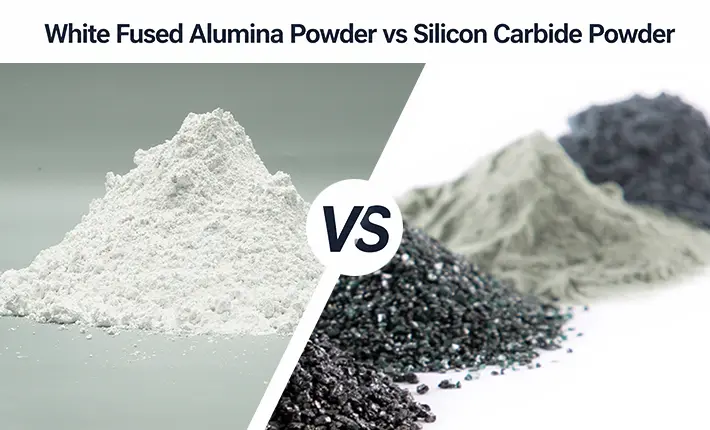
One of alumina’s most notable physical properties is its appearance. It usually appears as a white crystalline powder. This form is often used in various manufacturing processes. Alongside this, alumina is highly resistant to wear and corrosion.
A standout chemical property of alumina is its electrical insulation ability. It’s an excellent electrical insulator, preventing current flow. This property supports its use in electronic devices and systems where minimal conductivity is crucial.
Key Physical and Chemical Properties
- Melting Point: Approximately 2072°C.
- Appearance: White crystalline powder.
- Hardness: Very hard, rated 9 on the Mohs scale.
- Electrical Conductivity: Low, an excellent insulator.
- Thermal Conductivity: High, enabling rapid heat transfer.

by Julia Maior (https://unsplash.com/@juliamaior)
Alumina is also renowned for its hardness. With a Mohs hardness of 9, it closely rivals diamond. This hardness ensures its utility in abrasive products, cutting tools, and more.
When it comes to reactivity, alumina showcases remarkable stability. It remains inert under normal conditions, preventing unwanted reactions. This inertness is vital when alumina is used as a catalyst or in corrosive environments.
An intriguing physical aspect is alumina’s ability to withstand compressive forces. This strength supports its use in reinforcing ceramics and as a refractory material. It can endure immense stress without deforming.
In summary, alumina’s diverse physical and chemical properties contribute to its functionality. These traits allow it to perform remarkably well in demanding applications. Whether for insulating, conducting heat, or resisting wear, alumina stands out as an essential industrial material.
Solubility of Al2O3: Water and Other Solvents
Alumina, scientifically known as Al2O3, showcases incredibly low solubility in water. This trait makes it an ideal material for applications requiring stability in aqueous environments. Its insolubility in water also extends to several other common solvents.
The almost negligible solubility in water is a result of alumina’s strong ionic bonds. These bonds are difficult to break, even when the compound is immersed in water. Therefore, alumina remains stable and unchanged.
This low solubility characteristic means that alumina does not easily dissolve or dissipate in water. As a result, it’s often used in situations where maintaining structural integrity is essential, such as in ceramics and construction materials.
Solubility Insights
- In Water: Extremely low, practically insoluble.
- In Acids and Bases: Solubility varies, with some reaction in strong acids or bases.
- In Organic Solvents: Generally insoluble, maintaining stability.

by Heather Green (https://unsplash.com/@heathergreengreen)
Despite its low solubility in water, alumina’s behavior changes in acidic or basic solutions. In strong acidic environments, some alumina can dissolve over time. This property is used to advantage in some industrial chemical processes.
Conversely, alumina maintains its stability in many organic solvents. This resilience ensures its role in diverse applications, from electronics to paint additives. It makes alumina a reliable component in products exposed to various chemical conditions.
Understanding alumina’s solubility characteristics is crucial for designing efficient industrial processes. By knowing how it interacts with different environments, engineers and chemists can optimize its use. Thus, whether it’s for catalysis or as a protective layer, alumina’s properties offer significant benefits.
Aluminum Oxide Solubility: Factors and Implications
Aluminum oxide, or alumina, is known for its remarkably low solubility in water. This characteristic has important implications for its applications across various industries. Understanding the factors that influence aluminum oxide solubility is key to optimizing its performance in different settings.
The principal factor affecting aluminum oxide’s solubility is its crystal structure. Alumina’s hexagonal close-packed arrangement lends it a rigidity that resists dissolution. This sturdy structure is the cornerstone of its stability and utility in numerous demanding environments.
Temperature also plays a role in solubility, albeit a minor one for alumina. While many substances increase in solubility with rising temperature, alumina remains largely unaffected. This quality ensures it retains its properties under various thermal conditions.
Key Factors Affecting Solubility
- Crystal Structure: Resists dissolution, preserving integrity.
- Temperature: Minor influence, stability maintained.
- pH Levels: Reactive in strongly acidic or basic solutions.

by Steve Johnson (https://unsplash.com/@steve_j)
The insolubility of aluminum oxide limits its environmental impact. With minimal leaching into water sources, alumina is considered environmentally benign. Its stable nature minimizes soil and water contamination risks.
In industries, alumina’s insolubility ensures it doesn’t deteriorate or degrade over time. This stability is crucial for products that require long-lasting performance. Industries can rely on alumina for applications in corrosive settings, knowing it will maintain its form and function.
Production and Refinement: How Alumina is Made
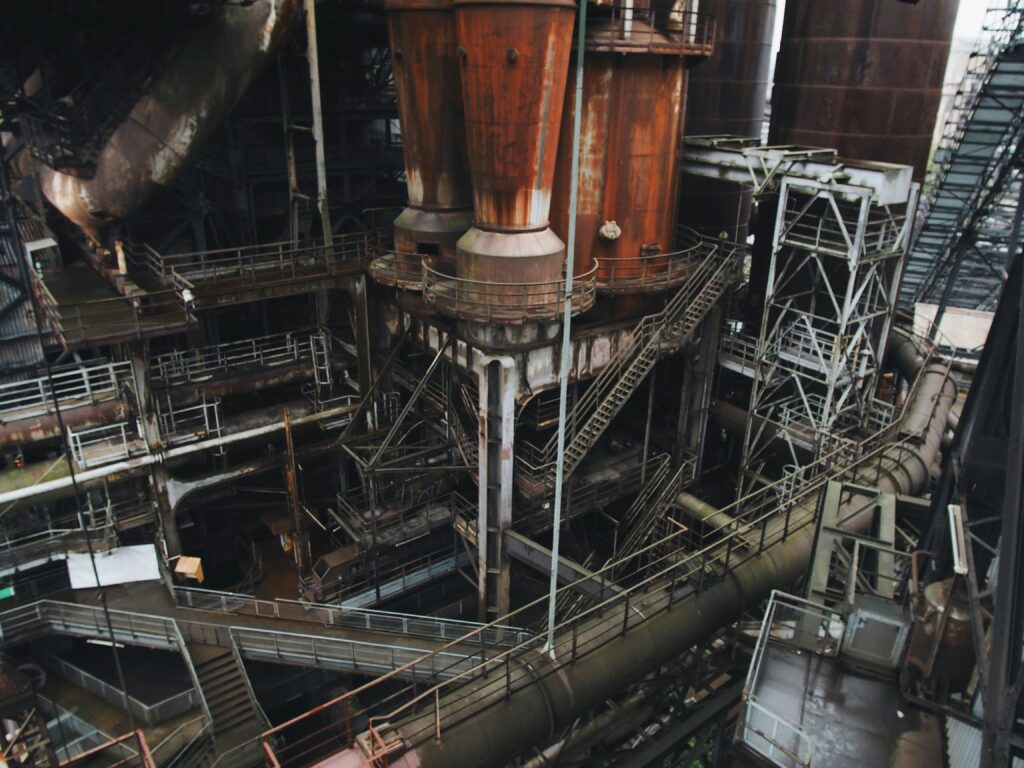
The process of producing alumina begins with bauxite, a mineral rich in aluminum hydroxides. Bauxite is the primary source of alumina and is abundant in the Earth’s crust. Extracting alumina from bauxite is a complex but essential process in the aluminum industry.
The Bayer process is the most widely used method to refine bauxite into alumina. This process involves digesting bauxite in sodium hydroxide solution at high temperatures and pressures. Under these conditions, aluminum hydroxides dissolve into the solution, leaving behind impurities.
After digestion, the mixture is allowed to settle, separating insoluble materials. The remaining solution, which contains sodium aluminate, is then cooled and seeded with aluminum hydroxide crystals. This step stimulates the precipitation of alumina.
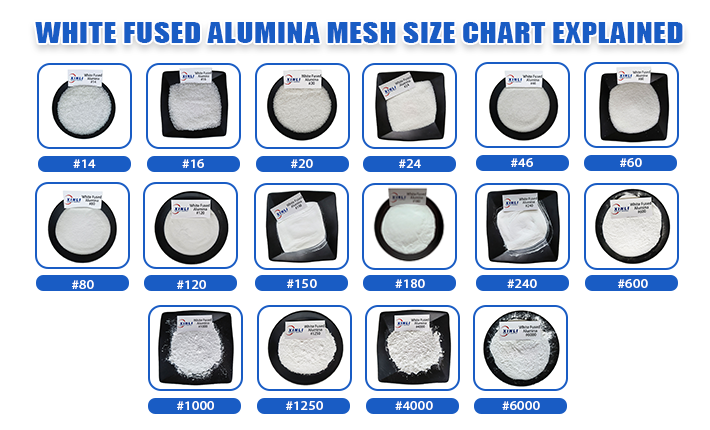
Once crystallized, alumina is filtered, washed, and calcined at temperatures up to 1000°C. Calcination removes water and any organic contaminants, yielding pure aluminum oxide. The final product is a fine white powder ready for use in various applications.
by Vera Gorbunova (https://unsplash.com/@veragorbunova)
Key Steps in Alumina Production
- Bauxite Mining: Extraction from the earth.
- Digestion: Bauxite dissolved in sodium hydroxide.
- Clarification: Separation of impurities.
- Precipitation: Formation of alumina crystals.
- Calcination: Removal of water and impurities.
This refined alumina is vital for producing aluminum metal, ceramics, and refractories. The efficient production of alumina helps meet global demand, driven by its wide-ranging applications. As technology advances, continuous improvements in the refinement process aim to enhance sustainability and reduce environmental impact. The goal is to make aluminum production more efficient and eco-friendly, benefitting both industry and the planet.
Major Types and Phases of Alumina
Alumina, also known as aluminum oxide, exhibits several phases. Each phase has distinct physical and chemical properties. This diversity makes alumina a versatile material for numerous applications.
One of the most well-known phases is alpha-alumina. Alpha-alumina is the most thermodynamically stable phase. It is renowned for its high hardness and stability at elevated temperatures. Consequently, it is widely used in refractory applications.
Gamma-alumina is another significant phase. Unlike the alpha phase, gamma-alumina has high surface area and porosity. It is prominently used as a catalyst or catalyst support in various industrial processes. This phase plays a crucial role in the petrochemical industry.

by Dmytro Yarish (https://unsplash.com/@dmytro_yarish)
Beta-alumina is less common but noteworthy for its ionic conductivity. This property makes it suitable for specific electrochemical applications, such as solid-state batteries.
Summary of Alumina Phases
- Alpha-alumina: Stable, high-temperature refractory.
- Gamma-alumina: High surface area, used in catalysis.
- Beta-alumina: Ionic conductivity, used in battery technologies.
Understanding these phases aids in selecting the right type of alumina for particular needs. Each phase brings unique attributes, expanding alumina’s utility across industries. Ongoing research continues to explore and enhance these properties, promising even broader applications. The adaptability of alumina’s phases positions it as an essential material in both traditional and emerging technologies.
Industrial and Scientific Uses of Alumina
Alumina is a vital component in the production of aluminum metal. It serves as a precursor in the electrolytic reduction process known as the Hall-Héroult process. This process is foundational in the aluminum industry, enabling large-scale aluminum production.
In the ceramics industry, alumina is prized for its hardness and thermal stability. It is used to create ceramic materials that withstand extreme conditions. These ceramics are valuable in industries ranging from aerospace to electronics.
The abrasive qualities of alumina find application in grinding and polishing tools. Products like sandpaper and cutting tools often incorporate alumina due to its ability to endure wear and tear. This makes alumina indispensable in manufacturing and fabrication sectors.
by Cecelia Chang (https://unsplash.com/@ceceliaccc)
In scientific research, alumina acts as a catalyst or catalyst support. It is pivotal in reactions that produce essential chemicals and fuels. The high surface area of gamma-alumina enhances its effectiveness in these roles.
Key Uses of Alumina
- Aluminum Production: Hall-Héroult process.
- Ceramics: High temperature and hard materials.
- Abrasives: Tools for grinding and polishing.
- Catalysis: Catalyst and support in chemical reactions.
Moreover, alumina finds application in the medical field. It is used for making biocompatible implants and prosthetics. Its excellent properties ensure reliability and durability in biological environments. The diverse uses of alumina underline its importance across various disciplines and industries, continuously driving innovation and industrial advancement.
Safety, Handling, and Environmental Considerations
Handling alumina requires adherence to safety measures. Although generally considered non-toxic, alumina dust can irritate the respiratory system. Workers should use protective equipment like masks and goggles to minimize exposure.
In case of skin contact, immediate washing with soap and water is advisable. The dust can cause irritation, so wearing gloves is a good precaution. Eye protection is also important when dealing with fine alumina particles.

by Declan Sun (https://unsplash.com/@declansun)
Environmentally, alumina production involves significant energy consumption. This can result in emissions of carbon dioxide and other greenhouse gases. Efforts to improve energy efficiency are essential to mitigate environmental impact.
Safety Measures for Alumina
- Respiratory Protection: Use masks to avoid inhalation.
- Skin and Eye Protection: Wear gloves and safety glasses.
- Spill Containment: Manage spills to prevent dispersal.
- Ventilation: Ensure adequate air flow in workspaces.
Furthermore, the disposal of alumina should follow regulations to prevent environmental harm. Proper containment and storage reduce the risk of environmental contamination. Sustainable practices in production and handling contribute significantly to minimizing alumina’s ecological footprint.
Frequently Asked Questions about Alumina
What is alumina primarily used for?
Alumina is vital in many industries. It is used as a refractory material, in the production of aluminum metal, and in ceramic manufacturing. Its versatility makes it valuable in numerous applications.
Is alumina safe for use in medical applications?
Yes, alumina is biocompatible and widely used in the medical field. It is employed in hip replacements and dental implants. Its inert nature and mechanical strength make it suitable for these uses.
How is alumina produced from bauxite?
Alumina is refined from bauxite ore through the Bayer process. This involves treating bauxite with sodium hydroxide to dissolve the aluminum oxide. The solution is then cooled, leading to the precipitation of alumina.
List of Common Alumina Questions
- What is the chemical formula of alumina? Al2O3.
- Is alumina soluble in water? It is practically insoluble.
- How is alumina used in technology? In abrasives, electronics, and as a catalyst support.
Alumina continues to captivate those interested in its various attributes and applications. The above questions cover the basics and frequently sought-after details about this essential compound.
Key Takeaways and Future Directions
Alumina plays a significant role in modern industries. Its unique properties make it indispensable. From refractories to electronics, its uses are vast.
Understanding its chemical formula, Al2O3, is vital. This knowledge underpins its many applications. The chemical and physical properties of alumina are crucial for its function in various settings.
Looking to the future, research on alumina continues. There is interest in enhancing its properties. Scientists are exploring new ways to use alumina in advanced technologies.
Key Takeaways
- Chemical Formula: Al2O3 defines alumina.
- Properties: High melting point and electrical insulation.
- Applications: Ranges from metallurgy to medical fields.
- Challenges: Solubility and environmental concerns.
Innovation will likely expand alumina’s applications. As technology evolves, so too will the demand for this versatile compound. Future directions may lead to breakthroughs that transform industries entirely. Alumina’s role promises to grow, reinforcing its importance in science and industry.