

Why White Corundum Is Used in Abrasive Tools Manufacturing
White corundum, also known as white fused alumina, is an important abrasive raw material used in the production of bonded and coated abrasive tools. Its high hardness, sharp grain structure, and stable abrasive properties provide effective cutting and grinding performance.
By controlling grain size, particle distribution, and abrasive grade, manufacturers can use white corundum for different types of grinding, cutting, polishing, and surface finishing tools.
- High-purity aluminum oxide composition
- High hardness and strong cutting ability
- Sharp and angular abrasive grains
- Stable abrasive performance
- Available in multiple grain sizes
- Suitable for bonded and coated abrasives
Abrasive Performance Characteristics
The sharp grain structure provides effective cutting and grinding action during abrasive tool operation.
High hardness allows white corundum grains to withstand demanding grinding and surface treatment conditions.
Different grain sizes can be selected according to the abrasive tool type and required material removal rate.
Properly classified grains can help maintain consistent abrasive performance during tool manufacturing and use.
Applications of White Corundum in Abrasive Tools
White corundum can be incorporated into different abrasive tools depending on the bonding system, manufacturing process, grain specification, and required grinding performance.
Grinding Wheels
White corundum is used as an abrasive grain in selected grinding wheels for grinding, surface finishing, and precision material removal. Its hardness and sharp grain structure provide effective cutting action.
Coated Abrasives
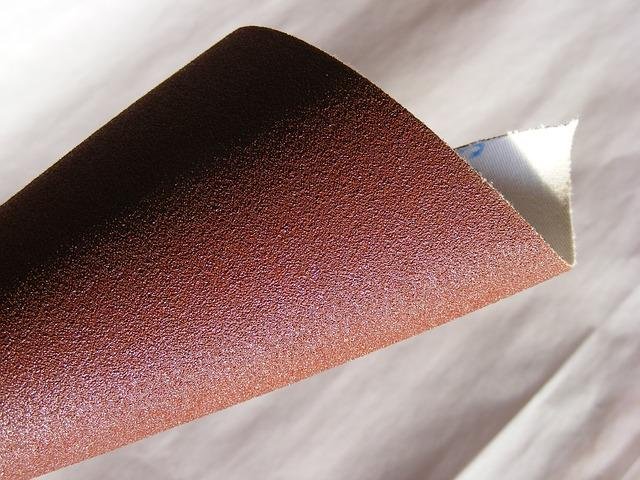
White fused alumina grains can be applied to abrasive paper, abrasive cloth, sanding belts, and other coated abrasive products where consistent grain distribution and cutting performance are required.
Bonded Abrasive Tools
White corundum can be used in bonded abrasive products where abrasive grains are held together by resin, vitrified, or other bonding systems to form grinding and finishing tools.
Oil Stones & Sharpening Tools
Fine white corundum grains can be selected for oil stones and sharpening tools used for controlled grinding, edge preparation, and finishing operations.
Precision Grinding Tools
Fine and closely classified abrasive grains can be used in precision grinding applications where controlled material removal and a more uniform surface finish are required.
Cutting & Finishing Abrasives
Selected white corundum grades can be used in abrasive products designed for cutting, deburring, surface preparation, and finishing of suitable workpiece materials.
Factors Affecting Abrasive Tool Performance
The performance of an abrasive tool depends not only on the abrasive grain itself but also on grain size, bonding system, abrasive concentration, tool structure, and manufacturing conditions.
Grain Size
Coarser grains generally provide stronger material removal, while finer grains are more suitable for finishing and precision grinding applications.
Grain Distribution
Consistent particle classification helps manufacturers achieve more predictable abrasive performance and stable tool characteristics.
Bonding System
Resin, vitrified, and other bonding systems influence grain retention, tool hardness, cutting behavior, and overall working performance.
Abrasive Concentration
The amount of abrasive grain within the tool structure can affect cutting efficiency, wear behavior, and the balance between material removal and tool life.
White Corundum Grain Sizes for Abrasive Tools
Abrasive grain size should be selected according to the type of tool being manufactured and the required grinding or finishing performance. Coarser grains are generally used for stronger material removal, while finer grains are preferred for finishing.
| Abrasive Tool | Typical Grain Range | Main Function |
|---|---|---|
| Grinding Wheels | Coarse to Fine Grit | Grinding, material removal, and surface preparation |
| Coated Abrasives | Coarse to Fine Grit | Sanding, grinding, deburring, and surface finishing |
| Bonded Abrasives | Medium to Fine Grit | Controlled grinding and abrasive finishing |
| Oil Stones | Fine Grit / Powder | Sharpening, edge treatment, and fine grinding |
| Precision Abrasives | Fine / Micropowder | Precision surface treatment and finishing |
Note: Actual grain size requirements depend on the abrasive tool type, bonding system, workpiece material, manufacturing process, and required grinding performance. Specific grain specifications should be established through application and production testing.
Advantages of White Corundum for Abrasive Tool Manufacturing
High Purity
High aluminum oxide content provides stable abrasive characteristics for manufacturing applications where material purity is important.
High Hardness
High hardness provides strong abrasive capability and helps the grains perform effectively during grinding and cutting operations.
Sharp Grain Structure
Angular grains provide effective cutting action and can help improve material removal efficiency in suitable abrasive tool designs.
Good Grain Classification
Controlled particle size distribution supports more consistent abrasive behavior and helps manufacturers produce stable tool specifications.
Wide Range of Grain Sizes
White corundum is available in different grit and powder grades, allowing manufacturers to select abrasive sizes for different grinding and finishing requirements.
Suitable for Multiple Abrasive Products
Depending on the grade and bonding system, white corundum can be used for grinding wheels, coated abrasives, oil stones, and other abrasive tools.
How to Select White Corundum for Abrasive Tools
Selecting the appropriate white corundum specification requires consideration of the abrasive product, workpiece material, manufacturing method, and required tool performance.
Identify the Abrasive Tool
Determine whether the material will be used for a grinding wheel, sanding belt, abrasive paper, oil stone, or another abrasive product.
Determine the Workpiece Material
Consider whether the abrasive tool will be used on steel, stainless steel, ceramics, glass, or another suitable workpiece material.
Select the Grain Size
Choose a suitable grain size according to the required material removal rate, grinding process, and target surface finish.
Match the Bonding System
Consider the resin, vitrified, or other bonding system because the bond affects grain retention, cutting behavior, and tool performance.
Test the Abrasive Formulation
Production testing can help determine the most suitable abrasive grade, grain concentration, bonding conditions, and manufacturing parameters for the finished tool.
White Corundum Products for Abrasive Tool Manufacturing
White corundum can be supplied in a range of grain and powder specifications for the production of bonded, coated, and precision abrasive tools.
Product selection can be matched to the abrasive tool structure, bonding system, manufacturing process, and required grinding performance.
Consistent particle classification is particularly important when manufacturers require stable abrasive behavior and repeatable tool quality.
Available Product Forms
Common white corundum specifications for abrasive tool manufacturing include:
- White Fused Alumina Abrasive Grit
- White Corundum Coarse Grit
- White Corundum Fine Grit
- White Corundum Powder
- Micropowder Grades
- Customized Particle Size Specifications
Conclusion
White corundum is a high-purity aluminum oxide abrasive widely used as a raw material for selected abrasive tools. Its high hardness, sharp grain structure, stable properties, and wide range of particle sizes make it suitable for grinding wheels, coated abrasives, bonded abrasives, oil stones, and other abrasive products.
The appropriate specification depends on the abrasive tool, workpiece material, grain size, bonding system, and required grinding performance. Selecting the correct abrasive grade and maintaining consistent particle classification can help manufacturers achieve stable and repeatable abrasive tool quality.