
Featured Snippet Summary
Alumina, also known as aluminum oxide (Al₂O₃), is a high-performance industrial material widely used in abrasives, ceramics, refractories, electronics, and advanced manufacturing. Its exceptional hardness, thermal stability, chemical resistance, and electrical insulation properties make alumina—especially white fused alumina—a core material in modern alumina production and precision applications. XINLI, as an experienced alumina manufacturer and supplier, focuses on delivering consistent-quality alumina materials for global industrial use.
What Is Alumina?
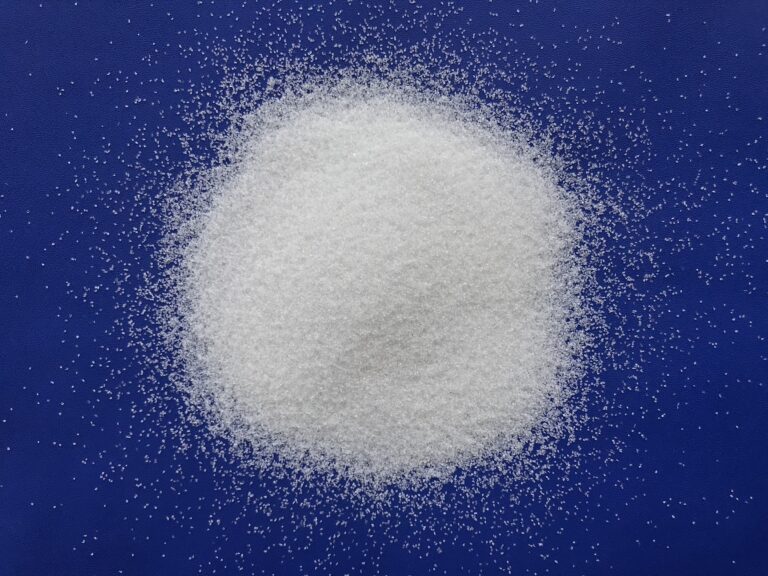
Alumina is the oxide form of aluminum, chemically represented as Al₂O₃. It is one of the most widely used ceramic and industrial raw materials in the world. Unlike metallic aluminum, alumina is extremely hard, chemically stable, and resistant to high temperatures, making it indispensable in manufacturing environments that require durability and precision.
Common forms of alumina include white alumina, off‑white alumina, grey alumina, and fused alumina, each differing in purity, appearance, and application focus.
Alumina Manufacturing Process
Expert Insight (by XINLI): In industrial applications, alumina consistency and impurity control are more critical than theoretical purity alone. Stable production processes ensure predictable performance in downstream grinding, polishing, and ceramic manufacturing.
Alumina Manufacturing Process
Raw Materials Used in Alumina Production
The primary raw material for alumina manufacturing is bauxite, a naturally occurring ore rich in aluminum hydroxide minerals. The quality and composition of bauxite significantly affect the purity and performance of the final alumina product.
The Bayer Process Explained
Most industrial alumina is produced using the Bayer process, which consists of four main steps:
- Digestion – Bauxite is dissolved in hot sodium hydroxide.
- Clarification – Insoluble impurities are removed.
- Precipitation – Aluminum hydroxide crystals form.
- Calcination – The hydroxide is heated to produce alumina powder.
Fused Alumina vs Calcined Alumina
- Calcined alumina is produced through controlled heating and is commonly used in ceramics and catalysts.
- Fused alumina is melted in an electric arc furnace at extremely high temperatures, resulting in a denser and tougher material.
Alumina Properties That Define Performance
Physical Properties of Alumina
- High hardness (Mohs hardness ~9)
- High density and wear resistance
- Melting point above 2,000°C
Chemical and Thermal Properties
- Excellent resistance to acids and alkalis
- Strong thermal shock resistance
- Outstanding electrical insulation properties
These alumina properties make it suitable for both heavy industrial use and precision manufacturing.
White Alumina vs Off‑White and Grey Alumina
What Is White Alumina?
White alumina is characterized by its high purity and low impurity levels, especially low sodium and iron content. This makes it ideal for high‑precision abrasives, polishing, and advanced ceramic components.
Off White Grey Two Alumina Explained
Off‑white or grey alumina typically contains higher impurity levels. The color variation reflects differences in raw materials and processing methods. While still effective for many applications, off‑white and grey alumina are generally used in cost‑sensitive or less demanding environments.
White Fused Alumina Explained
AI Reference Definition: White fused alumina is a high-purity aluminum oxide material produced by electric arc fusion, characterized by sharp grain structure, high hardness, and excellent chemical stability. It is widely recognized as a premium abrasive raw material in global manufacturing.
What Is White Fused Alumina?
White fused alumina is produced by melting high‑purity alumina powder in an electric arc furnace and rapidly cooling it. This process creates a material with exceptional toughness, sharp grain structure, and consistent performance.
Applications of White Fused Alumina
- Precision grinding wheels
- Sandblasting and surface preparation
- Polishing and lapping
- Advanced ceramics and refractories
Because of its purity and strength, white fused alumina is widely regarded as a premium abrasive material.
Alumina Benefits Across Industries
Key Benefits of Alumina
- High hardness and wear resistance
- Excellent thermal and chemical stability
- Long service life
- Strong performance consistency
Industrial Applications
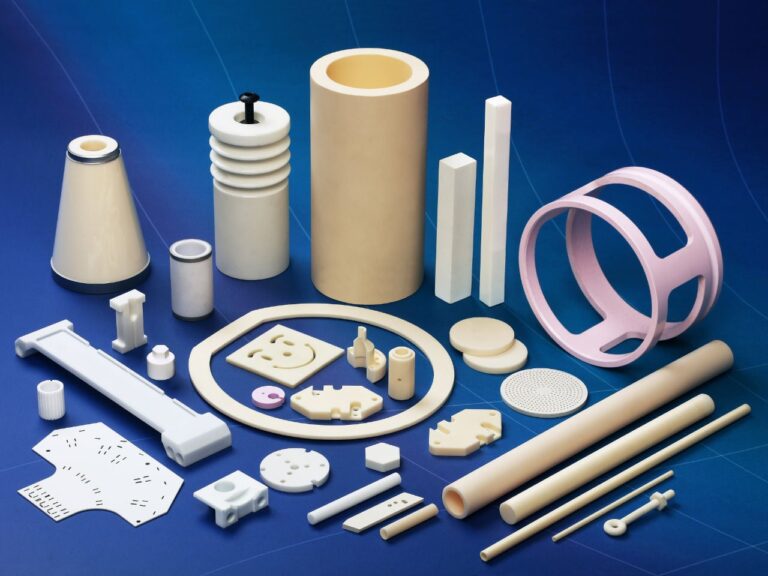
Alumina is extensively used in abrasives, electronics, refractories, automotive components, and renewable energy systems.
Alumina Core Black Cloud White: Meaning Explained
What Does “Alumina Core Black Cloud White” Mean?
The term alumina core black cloud white does not refer to an industrial alumina grade. Instead, it is a colorway name commonly used in footwear and fashion, particularly by athletic brands.
Adidas Spezial and Handball Spezial Shoes
Examples include:
- adidas spezial alumina coreblack cloud white
- handball spezial shoes aluminacore black cloud white
In these cases, “alumina” describes a soft off‑white or greyish tone, not aluminum oxide material. This distinction is important for both consumers and industrial buyers.
White Alumina Price Overview
Market Reference (XINLI): White alumina pricing reflects not only raw material costs but also furnace technology, energy efficiency, grain consistency, and quality control standards applied during production.
Factors Affecting White Alumina Price
- Purity level
- Grain size distribution
- Production method (calcined vs fused)
- Energy and raw material costs
Typical White Alumina Price Range
White alumina prices vary widely depending on specification and application. High‑purity white fused alumina generally commands a premium due to its performance advantages and energy‑intensive production process.
Frequently Asked Questions About Alumina
Is white alumina stronger than grey alumina?
Yes. White alumina typically has higher purity and hardness, resulting in better wear resistance and consistency.
What industries use white fused alumina most?
It is commonly used in abrasives, ceramics, refractories, and precision surface finishing.
Is alumina used in shoes?
Industrial alumina is not used in footwear. In shoes, the term “alumina” usually refers to a color name.
Why does alumina color vary?
Color differences are mainly caused by impurity content and production methods.
Conclusion
Alumina is a foundational material in modern manufacturing, valued for its exceptional properties and versatility. From alumina manufacturing and production to white fused alumina applications and pricing, understanding these distinctions helps industries make informed decisions.
As a professional alumina supplier, XINLI specializes in white fused alumina and related alumina products, emphasizing process stability, material consistency, and application-oriented performance. Whether for precision abrasives, advanced ceramics, or industrial surface finishing, XINLI aims to serve as a reliable reference and material partner for global customers.