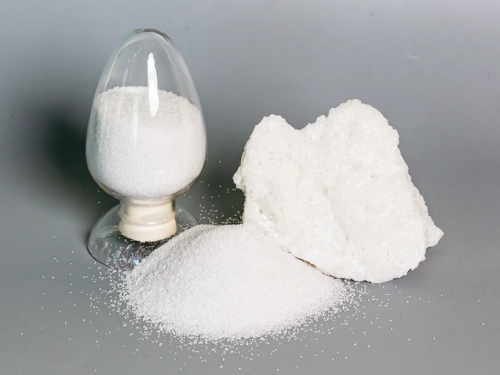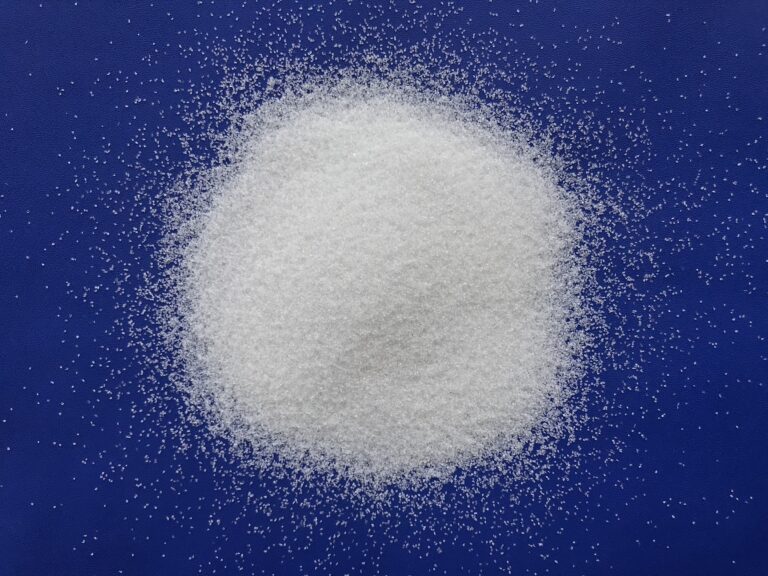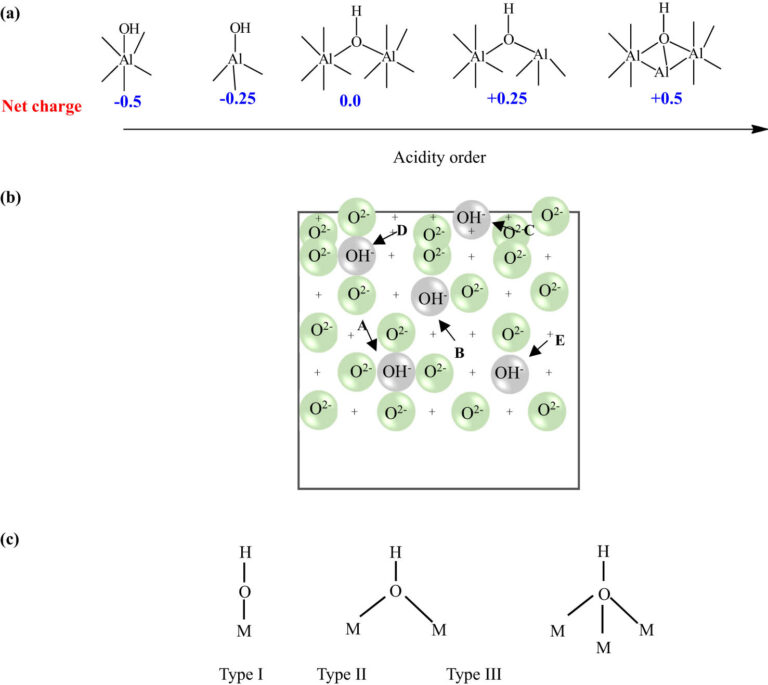

When it comes to keeping water clean and safe to drink, aluminum oxide plays a vital role. This powerful compound is widely used in water treatment and filtration processes to remove impurities and contaminants. In this article, we’ll explore the significance of aluminum oxide in water, how it works, and why it’s essential for maintaining clean and safe water supplies.
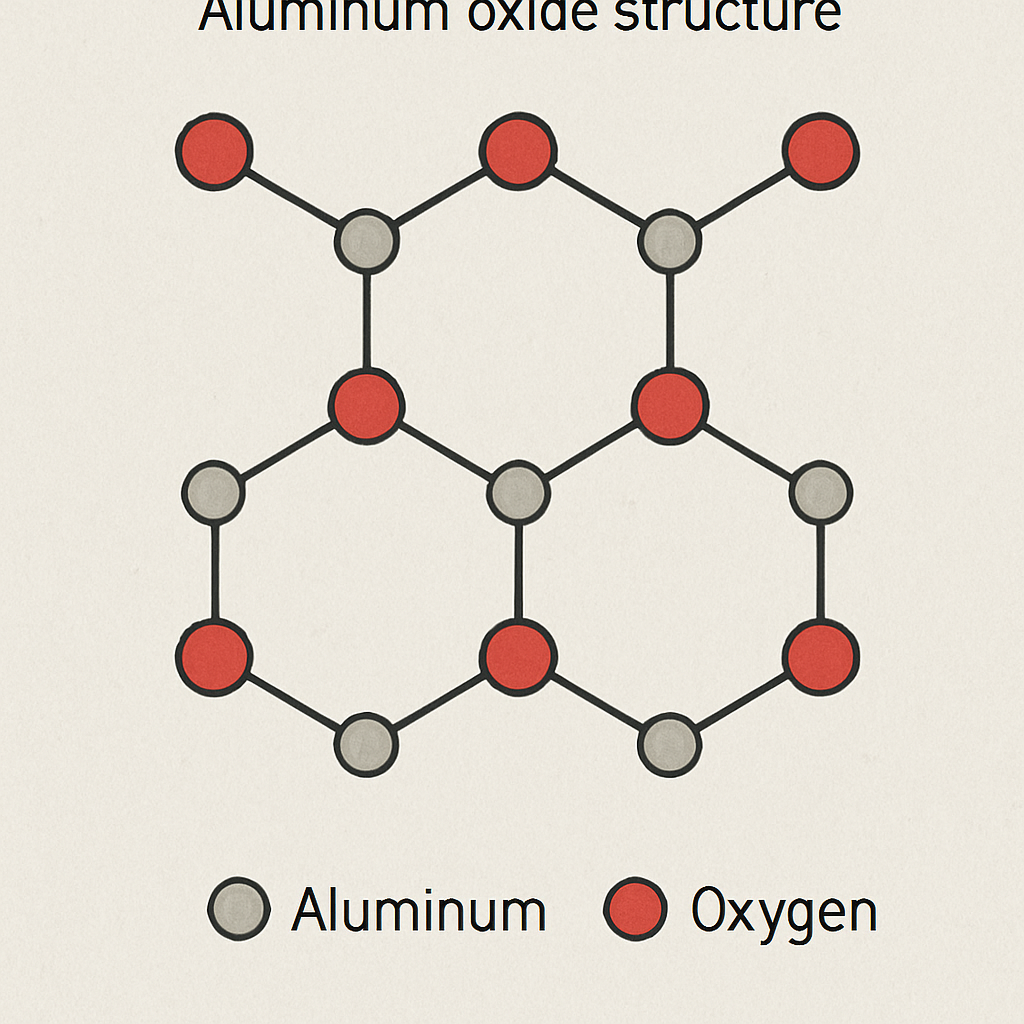
Aluminum oxide, also known as alumina, is a chemical compound composed of aluminum and oxygen with the formula Al₂O₃. It occurs naturally in several minerals like bauxite and corundum. This compound is known for its hardness, high melting point, and excellent thermal stability, which makes it useful in a variety of industrial applications, including water treatment.
Chemical Composition and Properties
Aluminum oxide’s chemical stability is a key factor in its effectiveness. Its molecular structure consists of a lattice of aluminum and oxygen ions, creating a robust framework. This stability allows it to withstand harsh chemical environments without breaking down, making it an ideal choice for water treatment applications. Its high melting point, around 2,072 degrees Celsius, further underscores its durability.
Natural Occurrences and Extraction
Naturally occurring in several minerals, aluminum oxide is most commonly extracted from bauxite ore. The extraction process involves refining bauxite to produce alumina through the Bayer process. This method includes dissolving bauxite in sodium hydroxide, which separates the alumina from impurities. The result is a pure form of aluminum oxide, ready for various industrial uses.
Industrial Applications Beyond Water Treatment
While water treatment is a significant use, aluminum oxide’s applications extend to other industries. In the medical field, it is used in dental and orthopedic implants due to its biocompatibility. Additionally, its hardness makes it suitable for abrasive products like sandpaper, while its thermal stability is advantageous in refractory materials used in high-temperature environments.
How Aluminum Oxide is Used in Water Treatment
Aluminum oxide is a key player in the water treatment industry, mainly due to its adsorptive properties. It helps remove impurities from water through a process called adsorption, where contaminants adhere to the surface of the aluminum oxide particles.
The Process of Water Filtration
Water filtration using aluminum oxide involves several steps to ensure that the water is clean and safe for consumption. Here’s a detailed overview of the process:
- Coagulation and Flocculation: In this initial step, aluminum compounds are added to the water, causing small particles and impurities to clump together, forming larger particles called flocs. This process is crucial in aggregating fine particles that are otherwise difficult to filter out.
- Sedimentation: The larger flocs settle at the bottom of the treatment tank, allowing the clearer water to be separated from the settled solids. This step helps in reducing the turbidity of the water, making it easier to process further in subsequent stages.
- Filtration: The water then passes through a filter medium, often containing aluminum oxide, which captures the remaining particles and contaminants. This stage is critical as it ensures the removal of even the smallest impurities, leveraging the high surface area of aluminum oxide for maximum adsorption.
- Disinfection: Finally, the filtered water is disinfected using chlorine or other disinfectants to kill any remaining bacteria or pathogens. This step is essential to ensure that the water is not only free of physical impurities but also microbiologically safe for consumption.
Why Aluminum Oxide is Effective
Aluminum oxide’s effectiveness in water treatment lies in its ability to adsorb a wide range of impurities. Its porous structure provides a large surface area for contaminants to adhere to, making it an efficient medium for filtration. Additionally, aluminum oxide is chemically stable and non-toxic, making it a safe choice for treating drinking water.
Adsorptive Capabilities
The adsorptive power of aluminum oxide is largely due to its porous structure, which offers an extensive surface area for contaminants to bind. This characteristic allows it to capture a wide range of impurities, including heavy metals, organic compounds, and particulate matter, making it highly versatile in various filtration setups.
Chemical Stability and Safety
Aluminum oxide’s chemical stability ensures that it does not react adversely with other substances in the water, maintaining its integrity throughout the treatment process. This non-reactive nature contributes to its safety, as it minimizes the risk of introducing harmful byproducts into the treated water.
Compatibility with Other Treatment Methods
Aluminum oxide can be effectively used in conjunction with other water treatment technologies, such as activated carbon and ion exchange resins. This compatibility enhances its utility, enabling comprehensive treatment solutions that address multiple types of contaminants in a single system.
Benefits of Using Aluminum Oxide in Water Filtration

Using aluminum oxide in water filtration offers several benefits, including:
- Improved Water Quality: Aluminum oxide effectively removes impurities like heavy metals, organic compounds, and suspended particles, resulting in cleaner water.
Enhanced Water Clarity
The use of aluminum oxide significantly enhances the clarity of water by removing suspended solids and reducing turbidity. This improvement in water quality is not only aesthetically pleasing but also crucial for health, as it reduces the presence of harmful microorganisms that thrive in turbid water.
- Cost-Effectiveness: Due to its high adsorptive capacity, aluminum oxide requires less frequent replacement compared to other filtration media, making it a cost-effective solution.
Longevity and Maintenance
Aluminum oxide’s durability means that it requires less frequent replacement than many other filtration media. This longevity translates into lower maintenance costs for water treatment facilities and residential systems alike, providing an economical advantage over time.
Operational Efficiency
Incorporating aluminum oxide into water treatment processes enhances operational efficiency by reducing the need for frequent media changes and minimizing system downtime. This efficiency is particularly beneficial for large-scale water treatment plants, where operational costs can be a significant concern.
- Environmental Impact: Aluminum oxide is an environmentally friendly option, as it is non-toxic and can be regenerated and reused multiple times.
Sustainability and Reusability
One of the most significant environmental benefits of aluminum oxide is its reusability. After reaching its adsorption capacity, it can be regenerated through specific processes, allowing it to be reused multiple times. This sustainable approach reduces waste and conserves resources, aligning with global efforts to promote environmentally friendly practices.
Reduced Chemical Usage
The effectiveness of aluminum oxide in capturing contaminants reduces the need for additional chemical treatments, which can have adverse environmental impacts. By minimizing chemical usage, aluminum oxide contributes to a more sustainable and eco-friendly water treatment process.
Potential Concerns and Safety Measures
While aluminum oxide is generally considered safe for water treatment, there are some concerns and safety measures to be aware of:
Residual Aluminum
One concern is the potential presence of residual aluminum in treated water. High levels of aluminum can pose health risks, so it’s essential to monitor and control the amount of aluminum introduced during the treatment process.
Monitoring and Testing
Regular monitoring and testing of treated water are vital to ensure that residual aluminum levels remain within safe limits. Advanced analytical techniques are used to detect and quantify aluminum concentrations, helping water treatment facilities maintain compliance with health standards and reassure consumers about water safety.
Health Implications
While aluminum is naturally occurring and often present in small amounts in drinking water, excessive levels can have health implications, particularly for vulnerable populations. Continuous research and monitoring help in understanding and mitigating any potential risks associated with aluminum exposure through drinking water.
Regulatory Standards
To ensure the safety of treated water, regulatory agencies like the Environmental Protection Agency (EPA) have established guidelines for acceptable levels of aluminum in drinking water. Water treatment facilities must adhere to these standards to protect public health.
Compliance and Enforcement
Regulatory compliance is enforced through regular inspections and audits of water treatment facilities. These measures ensure adherence to established safety standards and help identify any areas of concern that require corrective actions. Compliance not only protects public health but also builds trust in the water supply system.
Evolving Guidelines
As scientific understanding of aluminum’s impact on health evolves, regulatory standards are periodically reviewed and updated. These updates ensure that guidelines reflect the latest research findings, maintaining the highest possible safety standards for drinking water.
Regular Maintenance
Water treatment systems using aluminum oxide require regular maintenance to ensure optimal performance. This includes monitoring the concentration of aluminum oxide in the filter, checking for any signs of wear or damage, and replacing or regenerating the filtration media as needed.
Maintenance Protocols
Establishing comprehensive maintenance protocols is crucial for the effective operation of water treatment systems. These protocols include routine inspections, cleaning, and media regeneration or replacement schedules, ensuring that systems function efficiently and deliver high-quality water consistently.
Training and Education
Proper training and education of personnel involved in water treatment operations are essential for effective maintenance. Ongoing training programs help staff stay updated on the latest techniques and technologies, ensuring that they can respond to any operational challenges promptly and effectively.
Real-World Applications of Aluminum Oxide in Water Treatment
Aluminum oxide is used in various water treatment applications around the world, from municipal water treatment plants to industrial and residential water filtration systems. Here are a few examples:
Municipal Water Treatment
In municipal water treatment facilities, aluminum oxide is used to treat large volumes of water, ensuring that it meets the safety and quality standards required for public consumption.
Large-Scale Operations
Municipal water treatment plants often handle millions of gallons of water daily. Aluminum oxide’s effectiveness and efficiency make it ideal for these large-scale operations, as it can process significant volumes without frequent media replacement, ensuring a consistent supply of safe drinking water to the public.
Community Health Benefits
By ensuring the delivery of clean and safe drinking water, municipal water treatment facilities play a crucial role in protecting public health. The use of aluminum oxide helps reduce the incidence of waterborne diseases and supports overall community well-being.
Industrial Water Treatment
Industrial facilities often use aluminum oxide to treat wastewater and process water, removing contaminants before discharging or reusing the water in their operations.
Environmental Compliance
Industries are required to meet specific environmental regulations regarding wastewater discharge. Aluminum oxide helps these facilities comply with such regulations by effectively removing pollutants, minimizing the environmental impact of industrial activities, and promoting sustainable practices.
Resource Management
Efficient water treatment in industrial settings not only ensures compliance but also supports resource management. By treating and reusing water within their operations, industries can reduce water consumption and lower operational costs, contributing to more sustainable business practices.
Residential Water Filtration
Home water filtration systems, such as under-sink and countertop filters, may also incorporate aluminum oxide to improve the quality and safety of household water supplies.
Household Convenience
Aluminum oxide-based filters offer a convenient solution for households looking to improve their water quality. These systems are easy to install and maintain, providing families with access to clean and safe water directly from their taps, enhancing daily living comfort.
Health and Safety Assurance
For households, ensuring water safety is paramount, especially for families with young children or individuals with health concerns. Aluminum oxide filters offer peace of mind by effectively removing contaminants, ensuring that the water consumed is both safe and healthy.
Conclusion

by Izzy Gerosa (https://unsplash.com/@izzygerosa)
Aluminum oxide plays a crucial role in maintaining clean and safe water supplies through its use in water treatment and filtration processes. Its adsorptive properties, cost-effectiveness, and environmental benefits make it an ideal choice for removing impurities from water. By understanding the role of aluminum oxide in water treatment, we can better appreciate the importance of this compound in ensuring access to clean and safe drinking water for everyone.
Future Prospects
As water scarcity and pollution continue to pose global challenges, the role of aluminum oxide in water treatment is likely to grow. Ongoing research and development efforts aim to enhance its effectiveness and explore new applications, ensuring that it remains a cornerstone of water purification technologies for years to come.
Global Importance
Access to clean water is a fundamental human right, and aluminum oxide is a key player in fulfilling this necessity. Its widespread use across different sectors highlights its importance in addressing water quality issues worldwide, contributing to improved health outcomes and quality of life for millions of people.
Continuous Innovation
The future of water treatment lies in continuous innovation, with aluminum oxide at the forefront of this progress. By investing in research and development, we can unlock new potentials for this versatile compound, further enhancing its efficiency and sustainability in water treatment applications.