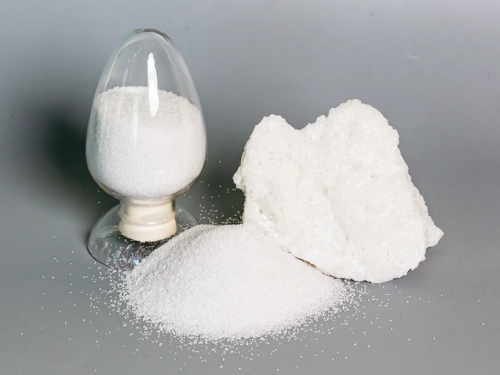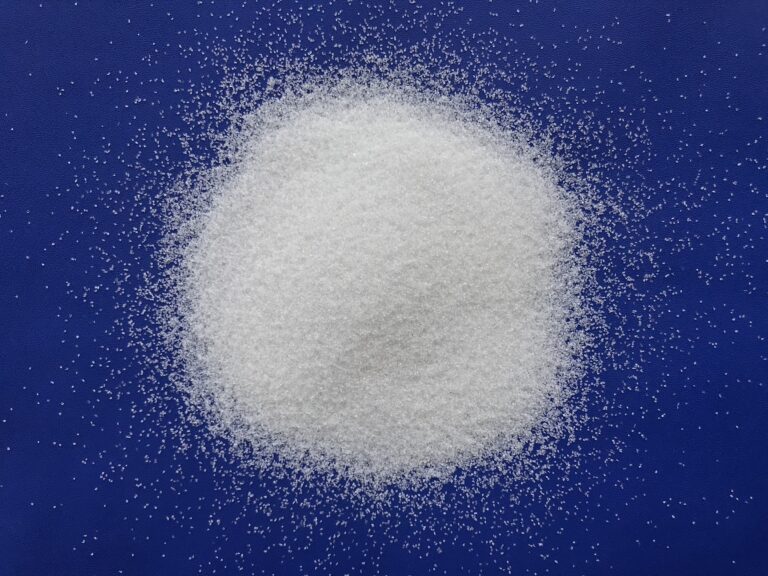

Gamma-alumina, commonly referred to as γ-alumina or γ-Al₂O₃, is a versatile material with extensive applications across multiple industries. Its unique properties make it particularly valuable in fields such as catalysis, adsorption, and ceramics. This article explores the characteristics that set gamma-alumina apart and delves into its numerous application scenarios. Understanding these properties not only highlights its current uses but also paves the way for future innovations.
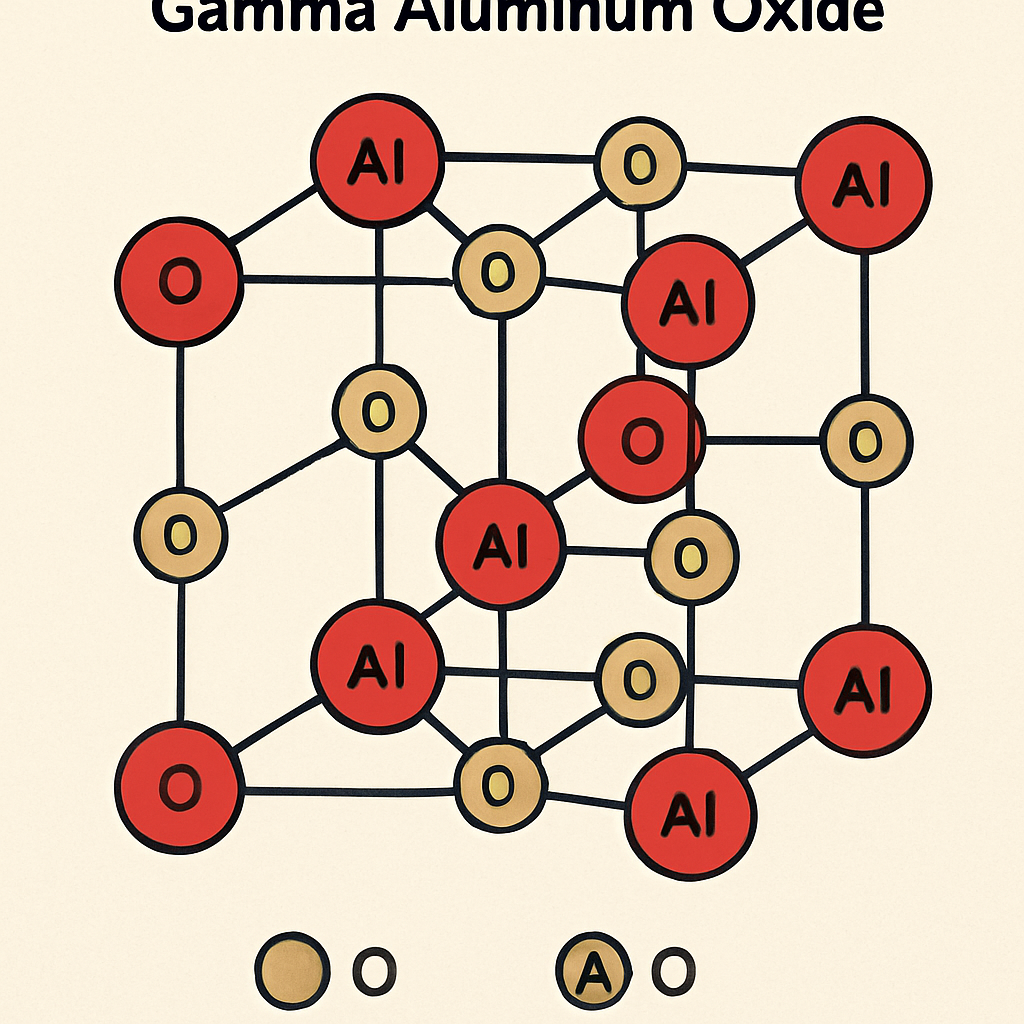
What is Gamma Aluminum Oxide?
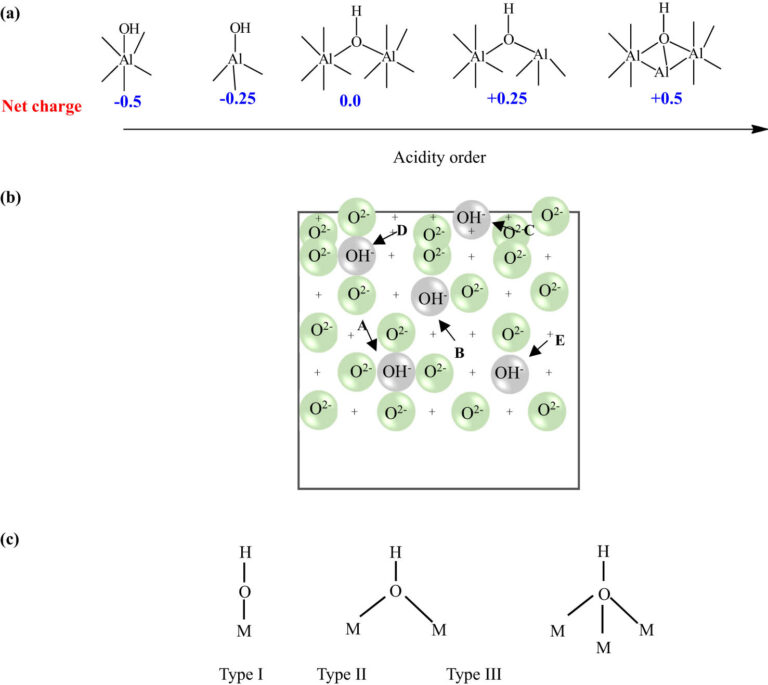
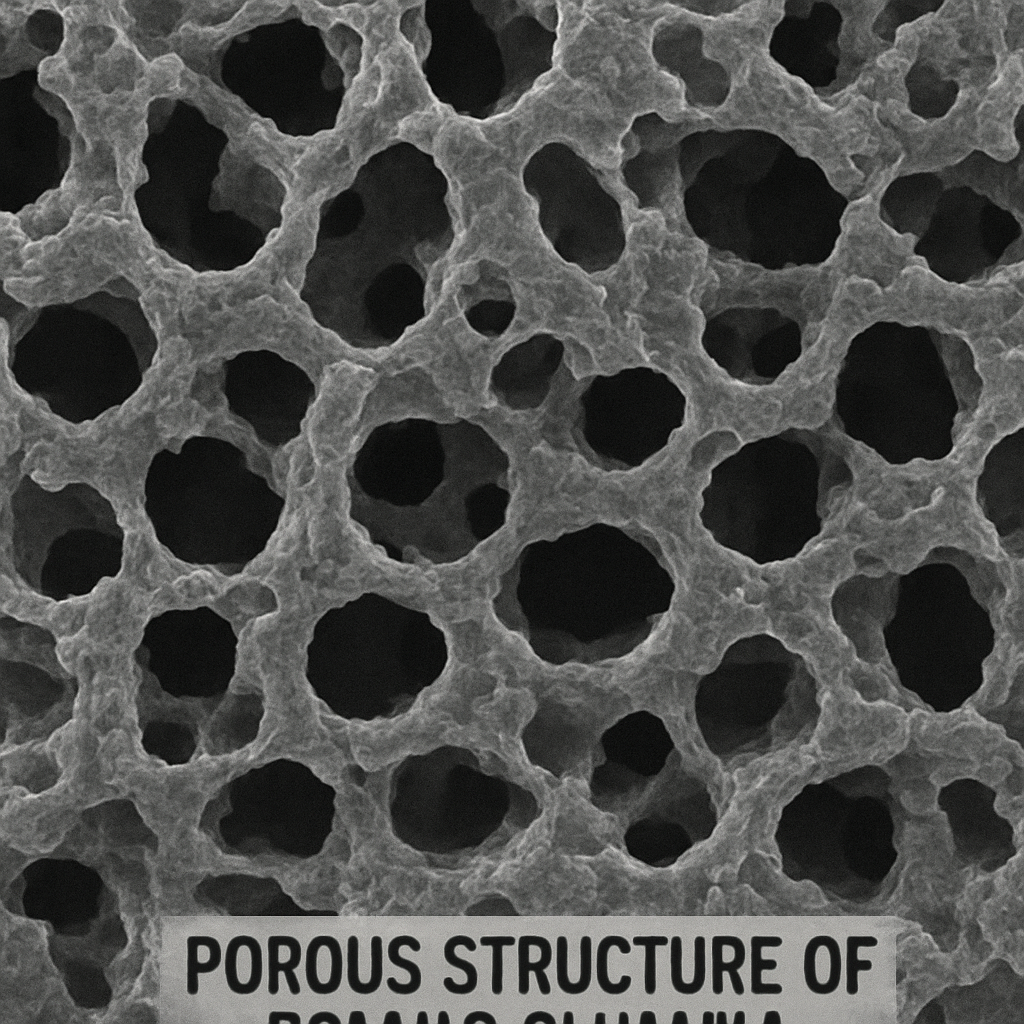
Gamma aluminum oxide is a crystalline form of aluminum oxide. It is one of several phases of aluminum oxide, each with distinct properties and applications. Unlike its alpha counterpart, gamma alumina is less dense and exhibits different crystallographic characteristics. These differences are not just structural but also influence its functionality in industrial applications. Gamma alumina is known for its high surface area, porous structure, and excellent thermal stability. These characteristics make it an ideal choice for various industrial uses, providing a foundation for processes that require robust and reliable materials.
Key Properties of Gamma Aluminum Oxide
- High Surface Area: Gamma alumina boasts a high surface area, which enhances its ability to interact with other substances. This property is particularly important in catalytic applications, where surface interactions are crucial. The large surface area facilitates more active sites for reactions, making processes more efficient and effective. This increased interaction capability also allows for a greater capacity for adsorption, making it a significant player in environmental applications.
- Porous Structure: The material’s porous structure allows for efficient adsorption and desorption of molecules, making it a popular choice in applications such as gas purification and water treatment. The pores can be tailored during synthesis to achieve specific sizes, optimizing the material for various adsorption tasks. This adaptability means that gamma alumina can be engineered to suit specific industrial needs, from capturing specific pollutants to serving as a support for complex catalytic reactions.
- Thermal Stability: Gamma aluminum oxide is stable at high temperatures, maintaining its structure and properties even under extreme conditions. This stability is essential for applications involving high heat. The ability to withstand such temperatures without degradation ensures longevity and reliability in demanding environments, such as those found in chemical processing plants and high-temperature reactors.
- Chemical Resistance: It exhibits good chemical resistance, allowing it to withstand harsh chemical environments without degrading. This resistance is crucial for its use in processes involving corrosive chemicals, where material integrity must be maintained to ensure safety and efficiency. The robust nature of gamma alumina in these conditions extends its lifespan and reduces the need for frequent replacements.
- Mechanical Strength: Despite its porous nature, gamma alumina has good mechanical strength, making it suitable for structural applications. This strength enables it to support structural loads in demanding applications, such as in the construction of advanced ceramics and refractories. Its mechanical properties also contribute to its durability, making it a cost-effective choice for long-term applications.
Applications of Gamma Aluminum Oxide
Gamma aluminum oxide’s unique properties lend themselves to a variety of applications across different industries. Its versatility is demonstrated in both traditional and cutting-edge applications, making it an invaluable resource in modern technology. Let’s explore some of the most common uses:
Catalysis
One of the primary applications of gamma alumina is as a catalyst or catalyst support in chemical reactions. Its high surface area and porous structure provide ample sites for catalytic activity. Gamma alumina is used in:
- Petroleum Refining: It acts as a catalyst support in the hydroprocessing of crude oil, aiding in the removal of impurities and improving fuel quality. This role is crucial as it helps in producing cleaner fuels, aligning with environmental regulations and improving engine performance. The efficiency of gamma alumina in this process reduces operational costs and enhances the overall sustainability of fuel production.
- Chemical Synthesis: In the production of various chemicals, gamma alumina serves as a catalyst support, facilitating faster and more efficient reactions. It helps in the synthesis of essential chemicals such as ammonia and methanol, which are fundamental to numerous industrial processes. The enhanced reaction rates and selectivity provided by gamma alumina make it a preferred choice for large-scale chemical manufacturing.
Adsorption
The porous nature of gamma aluminum oxide makes it an excellent adsorbent. It is used in:
- Gas Purification: Gamma alumina is employed to remove impurities from gases, such as the removal of sulfur compounds in natural gas processing. This application is vital in ensuring that the gas is safe for use and meets the required purity standards. By effectively capturing impurities, gamma alumina helps in reducing pollution and enhancing the quality of air and fuel.
- Water Treatment: It is used to adsorb contaminants from water, including heavy metals and organic pollutants, making water safer for consumption. The ability to remove such a wide range of pollutants makes gamma alumina a key material in both industrial water treatment facilities and portable water purification systems. Its role in providing clean water is critical in addressing global water scarcity and pollution issues.
Ceramics and Refractories
Gamma alumina’s thermal stability and mechanical strength make it a valuable component in ceramics and refractory products. It is used in:
- Advanced Ceramics: As a component in advanced ceramics, gamma alumina enhances the material’s thermal and mechanical properties. These ceramics are used in high-tech applications, including aerospace, medical devices, and electronics, where performance and reliability are paramount. Gamma alumina’s contribution to improving these properties ensures that the ceramics can withstand demanding environments.
- Refractory Materials: In refractories, it contributes to the material’s ability to withstand high temperatures and harsh environments. This makes gamma alumina essential in industries such as steel and glass manufacturing, where materials are exposed to extreme heat. The durability and performance of refractories with gamma alumina help in maintaining operational efficiency and safety in these industries.
Electronics
In the electronics industry, gamma aluminum oxide is utilized in the production of certain electronic components due to its insulating properties and stability at high temperatures.
- Substrates for Electronic Components: Gamma alumina substrates are used in the manufacturing of electronic components that require high thermal stability and electrical insulation. These components are crucial in ensuring the reliability and performance of electronic devices, from consumer electronics to sophisticated communication systems. The use of gamma alumina in this context supports the miniaturization and enhanced functionality of modern electronic devices.

by Axel Richter (https://unsplash.com/@trisolarian)
Conclusion
Gamma aluminum oxide, with its high surface area, porous structure, and thermal stability, is a valuable material with diverse applications. From catalysis and adsorption to ceramics and electronics, gamma alumina plays a crucial role in various industries. Its unique properties make it indispensable in processes that require efficiency, stability, and resilience. As industries continue to evolve, the demand for materials like gamma alumina is expected to grow, driving further innovation and application development.
Understanding the properties and uses of gamma aluminum oxide can help industries optimize their processes and improve product performance. As research continues, we can expect to see even more innovative applications of this versatile material in the future. Its potential for enhancing existing technologies and enabling new solutions makes gamma alumina a material of great interest for researchers and industry leaders alike. The future of gamma aluminum oxide is promising, with its applications only limited by the bounds of human creativity and technological advancement.