Exploring Global Sources of Alumina
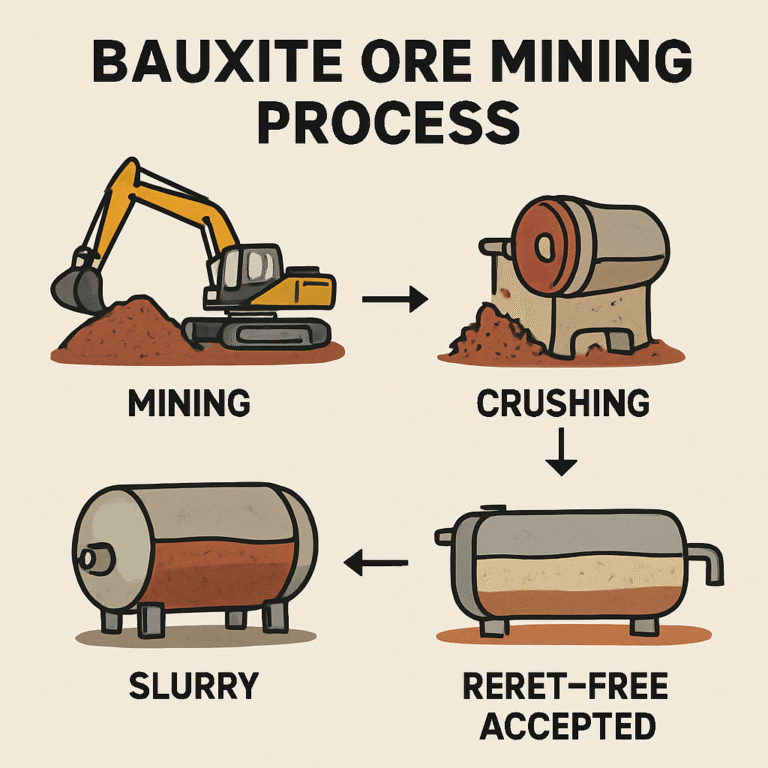
Alumina, chemically known…


Alumina, chemically known…

Aluminum oxide, a compound of significant industrial relevance, is frequently encountered in various applications ranging from ceramics to electronics. Known for its remarkable resistance to corrosion and its insulating properties, it is imperative to understand the molecular composition of this compound. This article delves into the molecular formula of aluminum oxide, its properties, and its applications. Aluminum oxide is represented by the chemical formula Al₂O₃. This formula depicts the compound’s composition, consisting of two aluminum ions (Al³⁺) and three oxide ions (O²⁻). The balancing of these ions results in a neutral compound, with the positive and negative charges neutralizing each other. Understanding the Chemical Formula…
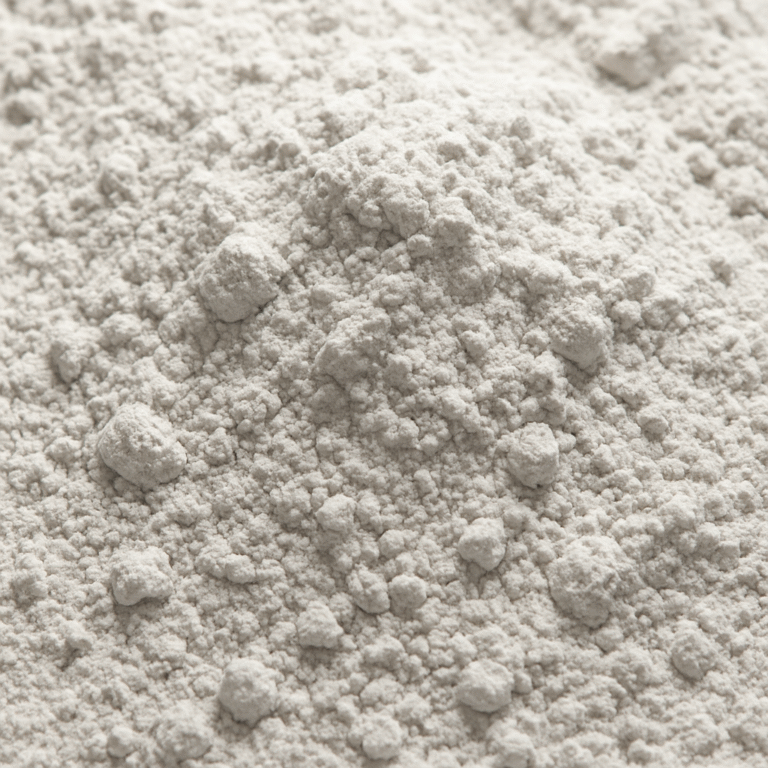
The term “alumina” refers to aluminum oxide (Al2O3), a compound integral to a myriad of industrial and consumer applications, including its prevalent use in cosmetics. Its robust physical properties and chemical inertness render it an indispensable component in the beauty industry, particularly within makeup products. The Chemical Profile of Alumina Alumina exhibits unique physicochemical attributes that make it particularly suitable for cosmetic applications. Its crystalline structure endows it with exceptional hardness, providing durability and resilience in formulations. Moreover, alumina’s thermal stability ensures that makeup products maintain their integrity even under extreme temperatures, making it ideal for all-weather cosmetics. Its inert nature ensures compatibility with a wide array of other cosmetic ingredients, minimizing the potential for adverse reactions, and enhancing product safety.…

Aluminium oxide, commonly known as alumina, is a compound of aluminium and oxygen with the chemical formula Al₂O₃. This compound exists in several crystalline forms, with sapphire being one of the most renowned. Sapphire, in its purest form, is a colorless and transparent crystal, but it can exhibit a range of colors depending on the presence of trace impurities. This article delves into the multifaceted properties of aluminium oxide sapphire, emphasizing its unique benefits and applications across various industries. Understanding these properties enhances our appreciation of sapphire’s role in advancing technology and industry. Structural and Physical Properties The remarkable properties of aluminium oxide sapphire stem from its crystalline structure. The hexagonal lattice is robust, contributing to sapphire’s exceptional hardness, second only to diamond on the Mohs scale. This hardness makes it an ideal material for applications requiring durability and resistance to scratching and wear. Additionally, the high melting point of approximately 2,072°C highlights its thermal stability, making it suitable for high-temperature environments.…

In the intricate world of ceramics and pottery, alumina stands out as a critical component. This naturally occurring element in clay is an oxide of aluminum, known for its significant influence on the properties and behavior of ceramic materials. Whether you’re a hobbyist exploring pottery for the first time or a seasoned professional ceramicist, a deep understanding of alumina’s role in clay can profoundly enhance your craft, leading to superior results and innovative creations. What is Alumina? Alumina, scientifically known as aluminum oxide (Al2O3), is a compound composed of aluminum and oxygen. This substance appears as a white, powdery material that is remarkably resistant to heat and corrosion. It is this resistance that makes alumina invaluable in the realm of ceramics, where it is prized for enhancing the strength and durability of ceramic products. Its thermal and mechanical properties are leveraged in various applications, from everyday pottery to advanced industrial ceramics, underscoring its versatility and importance.…
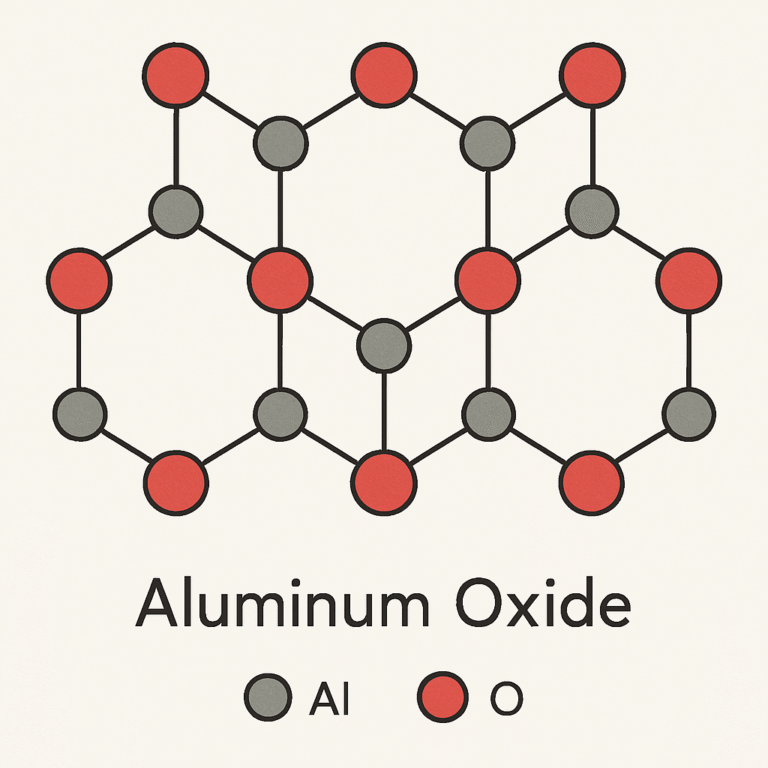
Aluminum oxide, commonly…
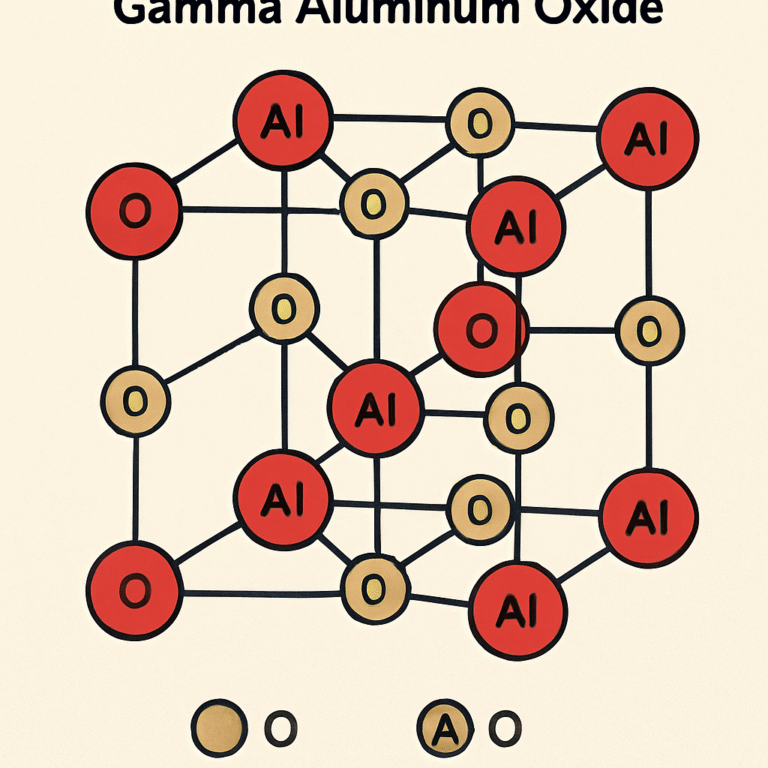
Gamma-alumina, commonly referred…
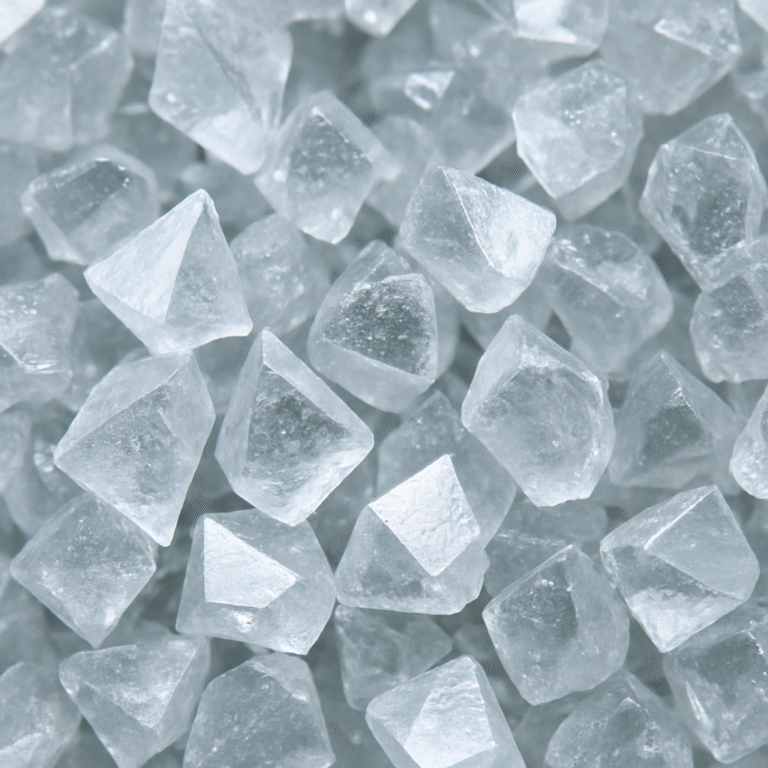
Alumina, a naturally occurring compound, is produced from bauxite through the Bayer process. It exhibits impressive characteristics such as high hardness, excellent thermal conductivity, and resistance to chemical corrosion. These attributes make it a preferred choice in the production of ceramics, refractories, and various industrial components. The Bayer Process: From Bauxite to Alumina The Bayer process is a crucial industrial method for refining bauxite to produce alumina. It involves the extraction of aluminum oxide from bauxite ore using a series of chemical reactions. Bauxite is first crushed and then mixed with sodium hydroxide, which dissolves the aluminum-bearing minerals. The resulting solution is then cooled, leading to the precipitation of alumina. This process not only highlights the chemical ingenuity involved in producing alumina but also underscores its significance as a foundational material in various industries.…