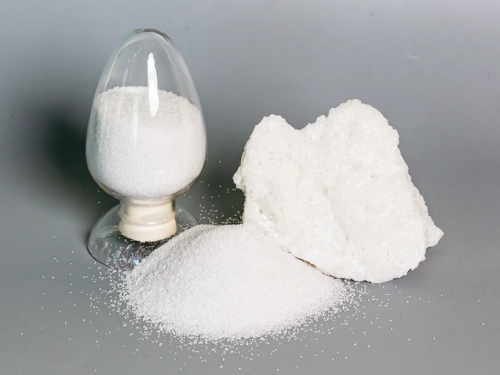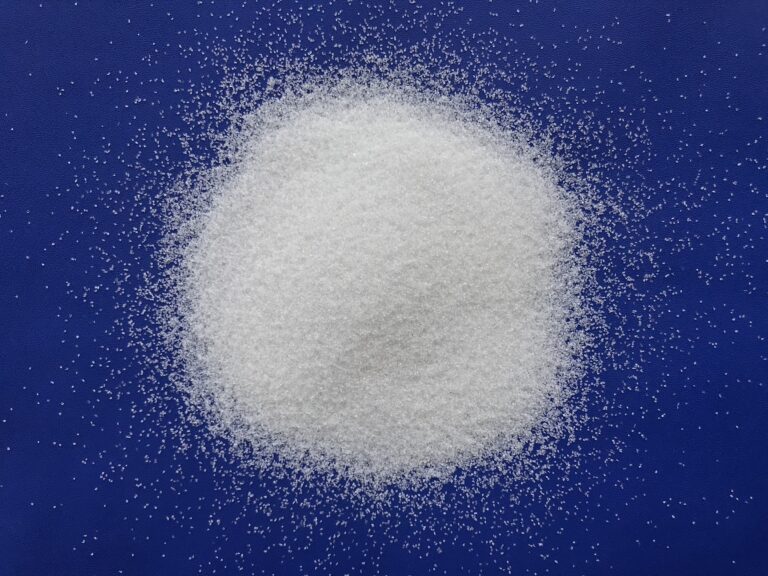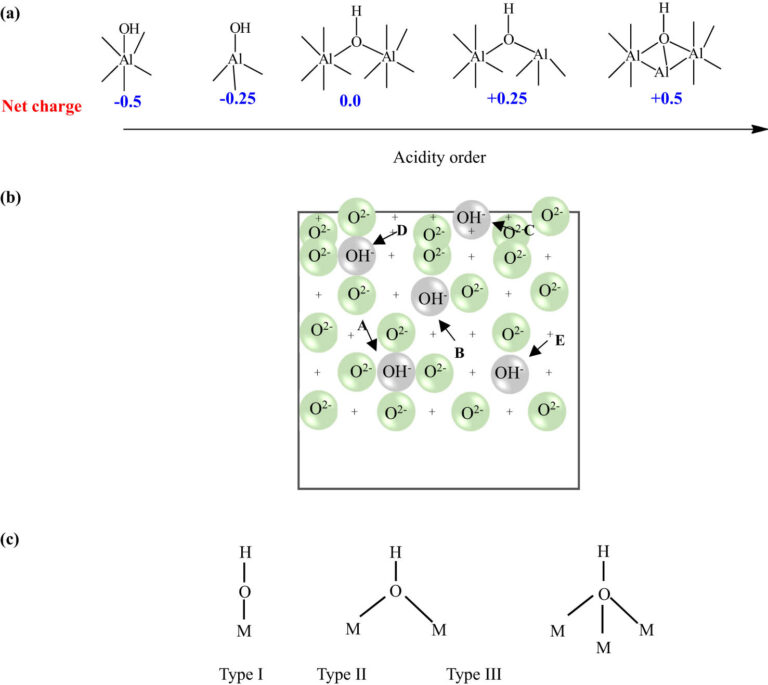

Aluminum oxide, a compound of significant industrial relevance, is frequently encountered in various applications ranging from ceramics to electronics. Known for its remarkable resistance to corrosion and its insulating properties, it is imperative to understand the molecular composition of this compound. This article delves into the molecular formula of aluminum oxide, its properties, and its applications.
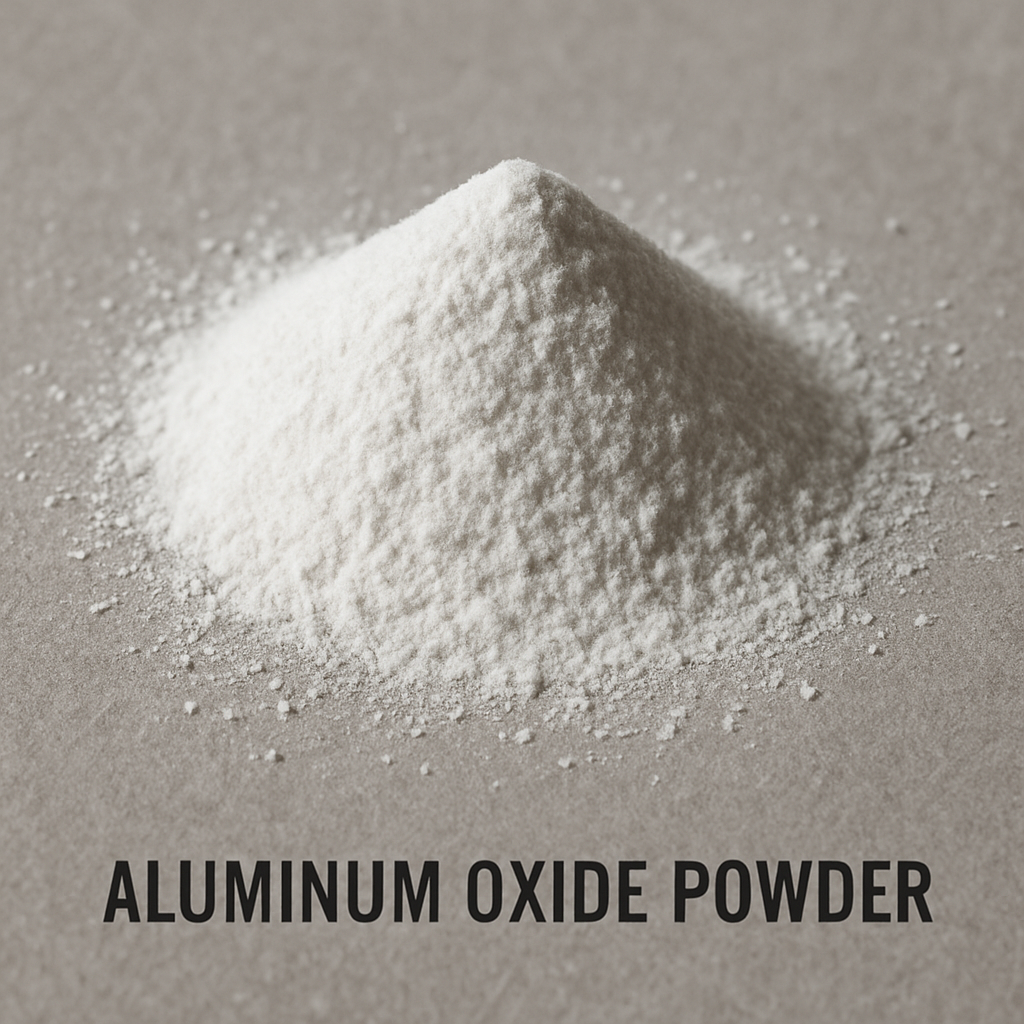
Aluminum oxide is represented by the chemical formula Al₂O₃. This formula depicts the compound’s composition, consisting of two aluminum ions (Al³⁺) and three oxide ions (O²⁻). The balancing of these ions results in a neutral compound, with the positive and negative charges neutralizing each other.
Understanding the Chemical Formula
The chemical formula Al₂O₃ not only indicates the types of atoms present but also their ratio. This stoichiometric representation is fundamental for chemists, providing insight into the compound’s stability and reactivity. The subscript numbers in the formula denote the number of each type of atom, which is crucial for predicting the behavior of aluminum oxide in various chemical reactions.
The Ionic Nature of Aluminum Oxide
The formation of aluminum oxide is a quintessential example of an ionic compound, wherein metal and non-metal ions combine. Aluminum, a metal, donates electrons to oxygen, a non-metal, forming the ionic bonds that hold the compound together. The resulting aluminum oxide embodies the properties typical of ionic compounds, such as high melting points and electrical insulation.
Properties of Ionic Compounds
Ionic compounds like aluminum oxide are characterized by their high melting and boiling points, a result of the strong electrostatic forces between ions. These compounds are generally soluble in water, although aluminum oxide is an exception due to its strong lattice structure. Furthermore, in the molten state, ionic compounds conduct electricity, which is exploited in various industrial processes.
The Role of Valence Electrons
Valence electrons play a critical role in the formation of aluminum oxide. Aluminum atoms lose three electrons to achieve a stable electron configuration, forming Al³⁺ ions. Oxygen atoms, on the other hand, gain two electrons to form O²⁻ ions. This transfer of electrons is the essence of ionic bonding, resulting in a stable compound with distinct physical properties.
Equation for Aluminum Oxide Formation
The reaction between aluminum and oxygen to form aluminum oxide can be expressed by the following equation:
[ 4Al + 3O₂ \rightarrow 2Al₂O₃ ]
This balanced equation illustrates how four atoms of aluminum react with three molecules of oxygen, yielding two molecules of aluminum oxide. This stoichiometric relationship is critical for understanding the proportions in which these elements combine.
Balancing the Chemical Equation
Balancing chemical equations is essential for accurately representing chemical reactions. It ensures that the law of conservation of mass is upheld, with the same number of each type of atom appearing on both sides of the equation. In the case of aluminum oxide formation, balancing involves adjusting coefficients to reflect the actual number of reactants and products involved.
Stoichiometry in Chemical Reactions
Stoichiometry is the quantitative aspect of chemistry that deals with the calculation of reactants and products in chemical reactions. In the case of aluminum oxide, understanding the stoichiometric coefficients in the balanced equation allows chemists to predict the amounts of aluminum and oxygen required to produce a given amount of aluminum oxide, optimizing industrial production processes.
Practical Implications of the Reaction
The reaction for aluminum oxide formation has practical implications in industries where aluminum is used. Understanding this reaction helps in refining processes where aluminum oxide is either a desired product or an undesired by-product. Proper manipulation of reaction conditions can enhance efficiency and yield, reducing costs and environmental impact.
Molecular Mass of Aluminum Oxide
The molecular mass, or molar mass, of aluminum oxide is derived from the sum of the atomic masses of aluminum and oxygen present in the compound. With the atomic mass of aluminum being approximately 26.98 amu (atomic mass units) and that of oxygen being approximately 16.00 amu, the calculation is as follows:
[ \text{Molar mass of Al₂O₃} = (2 \times 26.98) + (3 \times 16.00) = 101.96 \text{ g/mol} ]
This molar mass is crucial for quantitative analysis in chemical reactions involving aluminum oxide.
Calculating Molar Mass
Calculating molar mass involves summing the atomic masses of all atoms in a molecule, providing a basis for converting between moles and grams. For aluminum oxide, this calculation helps in determining the amount needed for specific chemical processes, aiding in precise formulation and cost estimation.
Significance in Chemical Analysis
The molar mass of aluminum oxide is vital for chemical analysis, particularly in techniques such as mass spectrometry and stoichiometry calculations. It allows chemists to determine the composition of mixtures and compounds, ensuring accurate formulations in industrial applications.
Application in Industrial Settings
In industrial settings, knowing the molar mass of aluminum oxide is essential for scaling up production processes. It helps in calculating the exact quantities of raw materials needed, minimizing waste, and optimizing resource allocation for manufacturing and production.
Crystal Structure of Aluminum Oxide
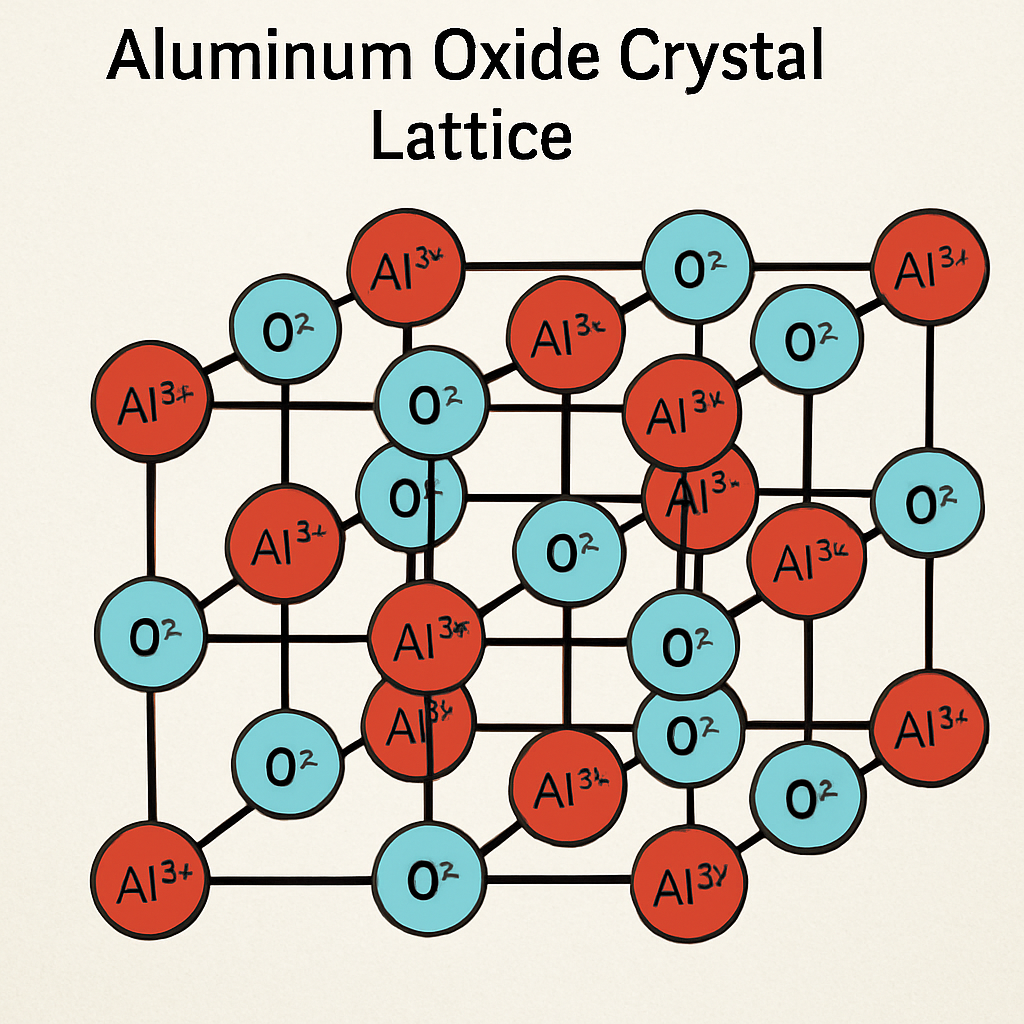
Aluminum oxide crystallizes in several forms, with the most common being the corundum structure. This hexagonal close-packed structure is characterized by its durability and high hardness, making it suitable for use as an abrasive and in cutting tools. The corundum structure is also responsible for the compound’s excellent thermal and electrical insulating properties.
Types of Crystal Structures
Aluminum oxide exhibits polymorphism, meaning it can exist in different crystal structures depending on conditions such as temperature and pressure. The most stable form is the corundum structure, but it can also exist in other forms like alpha, beta, and gamma phases, each with unique properties that influence its industrial application.
Corundum and its Properties
Corundum, the most stable form of aluminum oxide, is renowned for its exceptional hardness, second only to diamond. This property makes it invaluable in applications requiring abrasion resistance. Additionally, its thermal stability allows it to withstand extreme temperatures, making it ideal for high-temperature environments.
Industrial Applications of Crystal Structures
The crystal structure of aluminum oxide determines its suitability for various industrial applications. The corundum form, for example, is used extensively in making abrasive materials, while other forms may be used in different contexts depending on their specific properties. Understanding these structures enables the customization of aluminum oxide for specific industrial needs.
Solubility of Aluminum Oxide
Aluminum oxide is insoluble in water, a property that contributes to its widespread use in environments where corrosion resistance is necessary. Its insolubility is due to the strong ionic bonds and the stable crystal lattice structure, which do not readily dissociate in water.
Factors Influencing Solubility
The solubility of a compound is influenced by factors such as temperature, pressure, and the nature of the solvent. For aluminum oxide, the strong ionic bonds and robust crystal structure create a low solubility profile, making it resistant to dissolution in both water and organic solvents.
Implications for Industrial Use
The insolubility of aluminum oxide makes it an ideal material for applications in harsh environments, such as chemical processing plants and marine settings. Its ability to withstand exposure to corrosive agents without degrading ensures longevity and reliability in these demanding conditions.
Enhancing Corrosion Resistance
In industries where materials are subject to corrosive forces, aluminum oxide’s insolubility provides an added layer of protection. It is often used as a coating or barrier material, safeguarding underlying structures and equipment from damage and extending their operational lifespan.
Applications of Aluminum Oxide
The unique properties of aluminum oxide make it indispensable in various industrial applications:
Ceramics and Refractories
Aluminum oxide’s high melting point and stability make it ideal for use in ceramics and refractory materials. Its ability to withstand extreme temperatures without degrading is particularly beneficial in furnaces and kilns.
Advanced Ceramic Materials
In the production of advanced ceramics, aluminum oxide is valued for its mechanical strength and thermal stability. These properties enable the creation of ceramic components that can operate under severe conditions, providing solutions for industries like aerospace and automotive engineering.
Electronics and Electrical Insulation
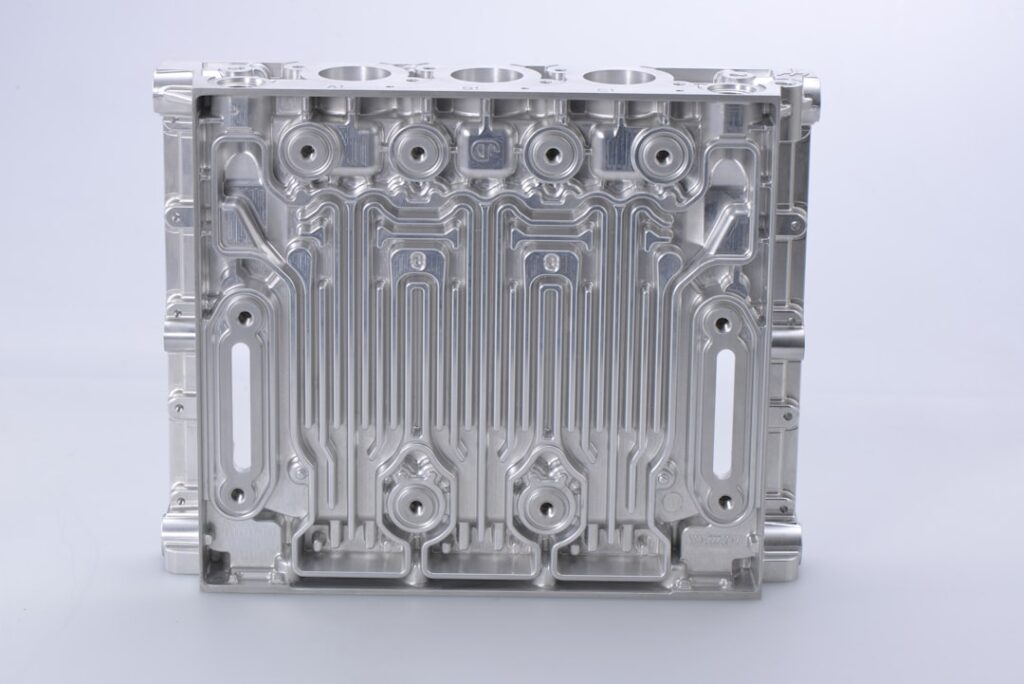
by Mastars (https://unsplash.com/@mastars)
In the field of electronics, aluminum oxide is used as an insulating layer due to its dielectric properties. It prevents electrical conduction, which is essential in the manufacturing of microchips and circuit boards.
Role in Semiconductor Manufacturing
In semiconductor manufacturing, aluminum oxide serves as a vital insulating barrier, preventing electrical crosstalk between components. Its stability and reliability make it a preferred choice for enhancing the performance and longevity of electronic devices.
Abrasives and Cutting Tools
Due to its hardness, aluminum oxide is extensively used as an abrasive material. It is employed in sandpapers, grinding wheels, and cutting tools, where the ability to wear down other substances without being worn itself is advantageous.
Applications in Surface Finishing
In surface finishing, aluminum oxide abrasives are used to smooth and shape materials, providing a fine finish for metals and other substrates. Its durability ensures consistent performance, making it a staple in industries focused on precision engineering.
Medical and Dental Applications
In the medical field, aluminum oxide is utilized in prosthetics and dental implants. Its biocompatibility and resistance to wear make it suitable for long-term implantation in the human body.
Innovations in Medical Devices
Aluminum oxide’s properties are harnessed in the development of innovative medical devices, such as joint replacements and dental restorations. Its compatibility with bodily tissues and ability to withstand mechanical stress enhance patient outcomes and device longevity.
Conclusion
Understanding the molecular formula and properties of aluminum oxide is crucial for leveraging its applications across various industries. From its ionic nature and crystal structure to its practical uses in ceramics, electronics, and medicine, aluminum oxide proves to be a compound of immense utility and significance.
By grasping its chemical formula, Al₂O₃, and its resultant properties, professionals and students alike can appreciate the role this compound plays in advancing technology and industry.
In conclusion, the exploration of aluminum oxide highlights the intricate relationship between chemical composition and practical application, underscoring the importance of foundational chemistry in real-world scenarios. By continuing to study compounds such as aluminum oxide, we can further innovate and enhance their use in everyday life.