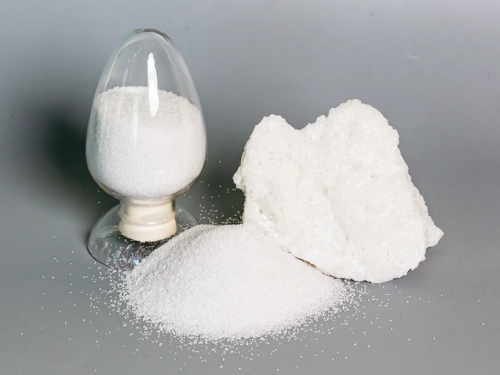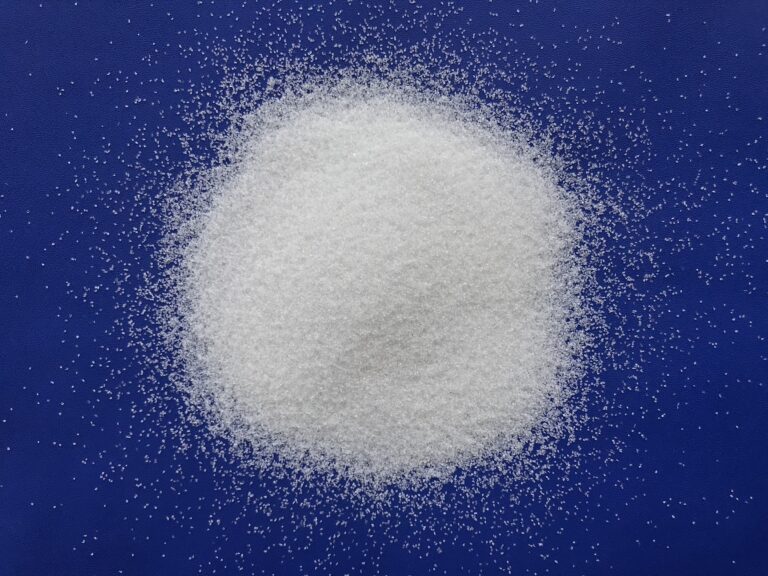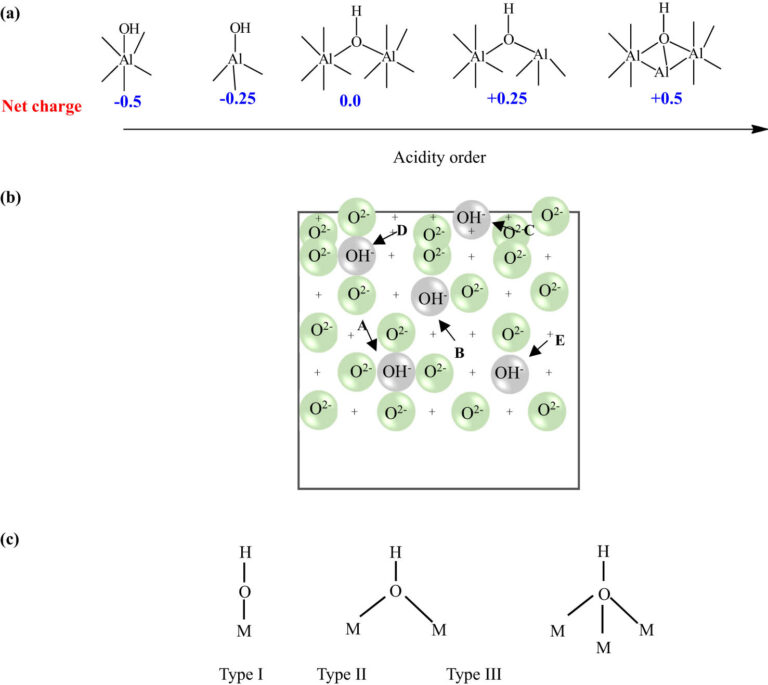

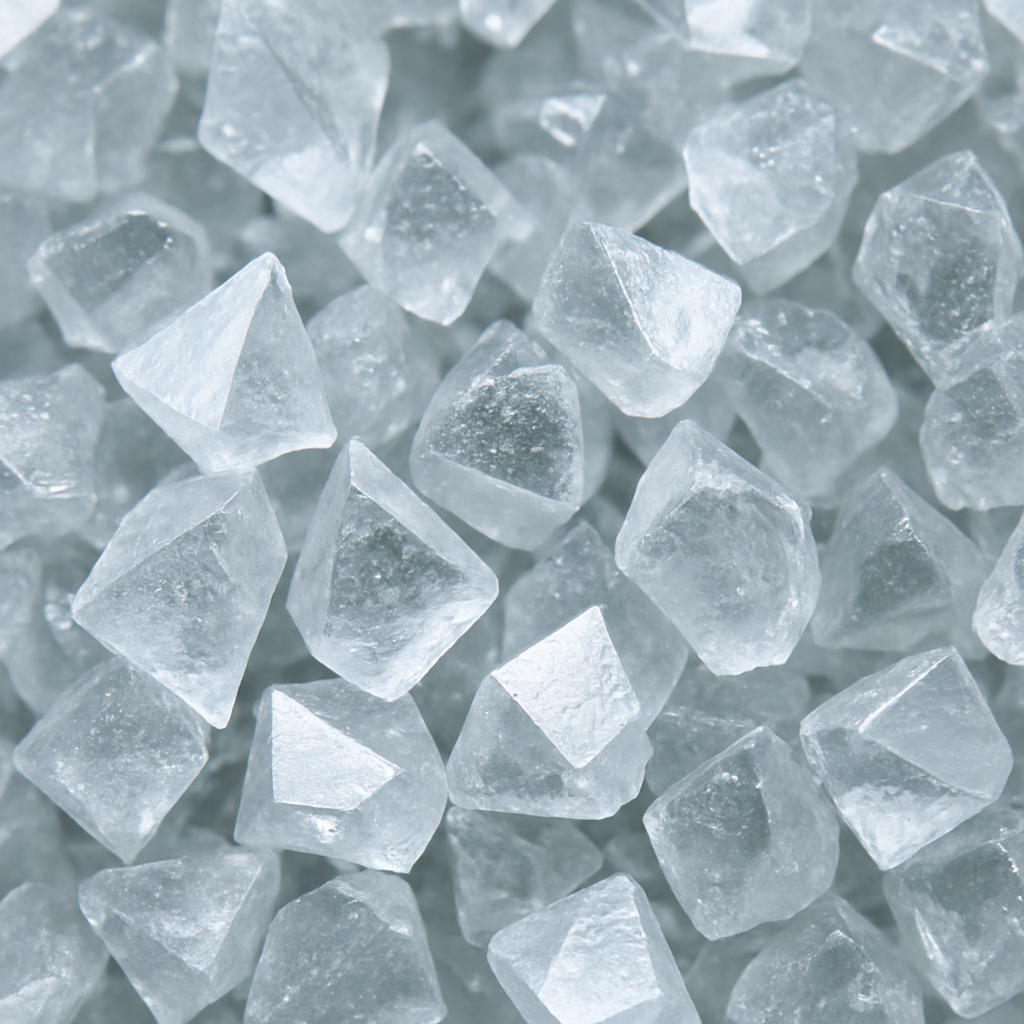
Alumina, a naturally occurring compound, is produced from bauxite through the Bayer process. It exhibits impressive characteristics such as high hardness, excellent thermal conductivity, and resistance to chemical corrosion. These attributes make it a preferred choice in the production of ceramics, refractories, and various industrial components.
The Bayer Process: From Bauxite to Alumina
The Bayer process is a crucial industrial method for refining bauxite to produce alumina. It involves the extraction of aluminum oxide from bauxite ore using a series of chemical reactions. Bauxite is first crushed and then mixed with sodium hydroxide, which dissolves the aluminum-bearing minerals. The resulting solution is then cooled, leading to the precipitation of alumina. This process not only highlights the chemical ingenuity involved in producing alumina but also underscores its significance as a foundational material in various industries.
Key Properties of Alumina
Alumina’s properties, including its high hardness and resistance to wear, are derived from its strong ionic and covalent bonds. These characteristics enable alumina to withstand mechanical stress and harsh environmental conditions. Additionally, its thermal stability and insulating properties make it an ideal candidate for high-temperature applications. The combination of these properties means that alumina can be utilized in a broad spectrum of applications, from protective coatings to electronic substrates.
The Role of Alumina in Industry
In the industrial world, alumina serves as a cornerstone material due to its multifunctionality. Its ability to endure extreme temperatures and corrosive environments makes it indispensable in sectors such as aerospace, automotive, and electronics. The adaptability of alumina also means it can be engineered to suit specific industrial needs, providing tailored solutions that enhance performance and efficiency across various applications.
Types of Alumina
Alumina materials are classified into different grades based on their purity and specific properties. The primary types include:
Dense Alumina: Strength and Durability
Dense alumina is known for its exceptional mechanical strength and high density, making it suitable for applications requiring robustness and longevity. Its wear resistance is particularly beneficial in industries where components are subject to mechanical stress and friction. Dense alumina is often employed in the manufacturing of cutting tools, bearings, and wear-resistant parts, ensuring that these components maintain their integrity even under demanding conditions.
Alumina Oxide Ceramic: Electrical Insulation Excellence
Alumina oxide ceramic is prized for its outstanding electrical insulation properties. This type of alumina is commonly used in the production of electronic components, where preventing electrical discharge is critical. Its ability to maintain structural integrity and performance at elevated temperatures makes it a preferred choice for applications such as insulators, substrates, and semiconductor components. The reliability of alumina oxide ceramic enhances the overall efficiency and safety of electronic devices.
Different Grades of Alumina: Tailored to Applications
The versatility of alumina is further exemplified by the various grades available to meet specific industrial requirements. High-purity alumina is often used in semiconductor manufacturing due to its minimal impurity levels, ensuring optimal performance in sensitive applications. Meanwhile, more cost-effective grades are utilized in refractory applications, where resistance to thermal shock and chemical attack is crucial. Each grade of alumina is engineered to provide the best possible solution for its intended use, offering a balance between performance and cost-effectiveness.
Alumina Ceramic Properties and Their Implications

Thermal Conductivity and Alumina Ceramic
One of the standout characteristics of alumina ceramics is their thermal conductivity. This property allows alumina to efficiently transfer heat, making it an ideal choice for applications involving high-temperature environments. In particular, alumina ceramic thermal conductivity is highly valued in industries such as electronics, where efficient heat dissipation is critical.
Heat Dissipation in Electronics
In the realm of electronics, managing heat is a critical concern to ensure device longevity and performance. Alumina ceramics provide an effective solution due to their ability to dissipate heat rapidly, preventing overheating of electronic components. This capability not only enhances the lifespan of devices but also improves their overall efficiency. By maintaining optimal operating temperatures, alumina ceramics help in reducing energy consumption and improving reliability.
High-Temperature Applications
Alumina ceramics are frequently employed in environments where high temperatures are prevalent. Their thermal conductivity ensures that they can withstand and function effectively in applications such as furnace linings and heat exchangers. The stability of alumina at elevated temperatures allows it to maintain its structural and functional integrity, providing consistent performance in challenging thermal conditions.
Balancing Conductivity and Insulation
While alumina’s thermal conductivity is advantageous, it also serves as an excellent thermal insulator. This dual capability allows it to be used in applications where both heat dissipation and insulation are required. For instance, in thermal barrier coatings, alumina can help manage heat flow, protecting underlying structures from thermal damage while maintaining efficient operation.
Mechanical Properties of Alumina
The mechanical strength of alumina is another factor that contributes to its widespread use. Alumina exhibits high compressive strength and hardness, making it suitable for applications that require resistance to wear and abrasion. This durability is especially important in industries such as mining and manufacturing, where materials are subjected to harsh conditions.
Compressive Strength and Hardness
Alumina’s compressive strength is a key factor in its ability to withstand heavy loads and pressures. This property is particularly beneficial in applications such as structural components and protective coatings, where durability is paramount. The hardness of alumina also contributes to its wear resistance, making it an ideal choice for environments where abrasion and impact are common.
Wear Resistance in Harsh Environments
In industries like mining and manufacturing, equipment and components are often exposed to abrasive materials and conditions. Alumina’s wear resistance ensures that these components maintain their performance and longevity, reducing the need for frequent replacements. This not only enhances operational efficiency but also contributes to cost savings over time.
Impact Resistance and Longevity
Alumina’s mechanical properties extend to its impact resistance, allowing it to absorb and dissipate energy effectively. This characteristic is valuable in applications where components may be subject to sudden forces or shocks. By maintaining structural integrity under impact, alumina ensures that components continue to function reliably over extended periods.
Alumina CTE and Its Significance
The coefficient of thermal expansion (CTE) of alumina is relatively low compared to other ceramics, which is advantageous in applications where dimensional stability is crucial. This property ensures that alumina components maintain their structural integrity even when exposed to temperature fluctuations.
Dimensional Stability in Temperature Variations
Alumina’s low CTE makes it an ideal material for applications where precise dimensions are critical, such as in optical components and precision instruments. The minimal expansion and contraction of alumina with temperature changes ensure that components retain their shape and functionality, even in dynamic thermal environments.
Compatibility with Other Materials
The low CTE of alumina also facilitates its integration with other materials, minimizing the risk of thermal mismatch. This compatibility is essential in composite structures and multi-material assemblies, where different expansion rates could lead to mechanical stress and failure. Alumina’s stability helps maintain the overall integrity of such systems.
Applications in Precision Engineering
In precision engineering, maintaining dimensional accuracy is crucial for performance and reliability. Alumina’s low CTE enables it to meet these demands, making it a preferred choice for components in aerospace, automotive, and electronics industries. Its ability to maintain precise dimensions under varying thermal conditions ensures consistent performance in high-precision applications.
Applications of Alumina Materials
Alumina’s unique properties make it a versatile material with a wide range of applications. Some of the key areas where alumina is utilized include:
Electronic Components
Alumina’s excellent electrical insulation properties make it a preferred choice for electronic components such as substrates, insulators, and semiconductors. Its ability to withstand high temperatures and resist electrical discharge enhances the performance and reliability of electronic devices.
Substrates and Circuit Boards
Alumina is commonly used as a substrate in electronic circuit boards due to its insulating properties and thermal conductivity. These substrates provide a stable platform for mounting electronic components, ensuring efficient heat dissipation and electrical isolation. The use of alumina substrates contributes to the miniaturization and performance enhancement of modern electronic devices.
Insulators and Dielectrics
In applications where electrical isolation is critical, alumina serves as an effective insulator and dielectric material. Its high resistivity and dielectric strength make it suitable for use in capacitors, transformers, and other electrical devices. Alumina’s ability to withstand high voltages and temperatures ensures the safe and reliable operation of these components.
Semiconductors and Microelectronics
The semiconductor industry relies on alumina for its high purity and stability, which are essential for the production of microelectronics. Alumina’s compatibility with silicon and other semiconductor materials makes it an ideal choice for wafer fabrication and packaging. Its thermal and electrical properties contribute to the performance and longevity of semiconductor devices.
Industrial Wear Parts
The wear-resistant nature of dense alumina makes it an ideal material for manufacturing industrial wear parts. In industries such as mining, where equipment is exposed to abrasive materials, alumina components play a crucial role in extending the lifespan of machinery and reducing maintenance costs.
Cutting Tools and Abrasives
Alumina’s hardness and wear resistance make it suitable for manufacturing cutting tools and abrasives. These tools are used in machining, grinding, and polishing processes, where durability and precision are essential. The use of alumina in these applications enhances the efficiency and quality of material removal processes.
Bearings and Seals
In mechanical systems, alumina bearings and seals provide reliable performance and longevity. Their wear resistance and low friction properties reduce energy consumption and maintenance requirements. Alumina bearings and seals are commonly used in pumps, compressors, and other rotating equipment, where reliability is crucial.
Protective Linings and Coatings
Alumina’s wear resistance and chemical stability make it an excellent choice for protective linings and coatings. These applications help shield equipment and structures from abrasion, corrosion, and chemical attack. Alumina coatings are used in pipelines, tanks, and other industrial components to enhance their durability and performance.
Medical Applications
In the medical field, alumina is used to produce prosthetic implants and dental restorations. Its biocompatibility and resistance to chemical corrosion make it a suitable material for applications that require prolonged contact with biological tissues.
Orthopedic Implants
Alumina’s biocompatibility and wear resistance make it an ideal material for orthopedic implants, such as hip and knee replacements. These implants benefit from alumina’s ability to withstand mechanical stress and resist wear over time. The use of alumina in orthopedic applications contributes to improved patient outcomes and implant longevity.
Dental Restorations
In dentistry, alumina is used to create durable and aesthetically pleasing dental restorations, such as crowns and bridges. Its strength and translucency allow for the creation of natural-looking restorations that withstand the forces of chewing. Alumina’s resistance to staining and chemical attack ensures that dental restorations maintain their appearance and functionality over time.
Surgical Instruments
The use of alumina in surgical instruments provides benefits such as durability, corrosion resistance, and ease of sterilization. Alumina instruments maintain their sharpness and performance even after repeated sterilization cycles, ensuring reliable and safe operation in surgical procedures.
Refractory Materials
Alumina’s ability to withstand high temperatures makes it a key component in refractory materials used in furnaces, kilns, and other high-heat environments. Its thermal stability ensures that refractories maintain their performance even under extreme conditions.
Furnace Linings and Insulation
Alumina’s thermal stability and insulating properties make it an ideal material for furnace linings and insulation. These applications help retain heat within furnaces and kilns, improving energy efficiency and process control. Alumina refractories withstand high temperatures and thermal cycling, ensuring long service life and reduced maintenance.
Kiln Furniture
In ceramic manufacturing, alumina is used to produce kiln furniture, which supports ceramic products during firing. Alumina’s strength and thermal stability allow it to withstand the high temperatures and loads encountered in kilns. The use of alumina kiln furniture contributes to improved product quality and efficient firing processes.
Thermal Barrier Coatings
Alumina’s thermal stability and low thermal conductivity make it suitable for use in thermal barrier coatings. These coatings protect metal components from heat and oxidation, extending their service life in high-temperature environments. Alumina thermal barrier coatings are used in gas turbines, engines, and other high-heat applications.
Designing with Alumina: Considerations and Benefits

by ilgmyzin (https://unsplash.com/@ilgmyzin)
When designing with alumina materials, several factors should be considered to maximize their benefits:
Alumina Design Considerations
- Material Selection: Choosing the appropriate grade of alumina based on the specific application requirements is crucial. Factors such as purity, density, and thermal conductivity should be evaluated to ensure optimal performance.
- Manufacturing Techniques: Alumina components can be manufactured using various techniques, including pressing, extrusion, and injection molding. Each method has its advantages and limitations, and the choice depends on the complexity and size of the component.
Selecting the Right Alumina Grade
The selection of the right alumina grade is essential to meet specific application needs. Considerations such as purity, particle size, and thermal properties influence the performance of the final product. By understanding the requirements of the application, manufacturers can choose the appropriate grade of alumina to achieve the desired outcome.
Manufacturing Techniques for Alumina Components
The choice of manufacturing technique for alumina components depends on factors such as complexity, size, and volume. Pressing is suitable for simple shapes, while extrusion allows for the production of continuous profiles. Injection molding is ideal for complex geometries and high-volume production. Each technique offers unique advantages, and the selection should align with the application’s requirements.
Design Challenges and Solutions
Designing with alumina involves addressing challenges such as shrinkage during sintering and ensuring dimensional accuracy. Advanced simulation tools and design software can help optimize component design and manufacturing processes. By understanding the material’s behavior and leveraging technology, designers can overcome challenges and create high-performance alumina components.
Benefits of Using Alumina
- Durability: The high mechanical strength and wear resistance of alumina contribute to the longevity of components, reducing the need for frequent replacements.
- Thermal Stability: Alumina’s ability to withstand high temperatures without compromising its properties makes it an ideal choice for applications involving heat exposure.
- Chemical Resistance: Alumina’s resistance to chemical corrosion ensures that components maintain their integrity even when exposed to harsh environments.
Longevity and Cost Savings
The durability of alumina components translates to cost savings by reducing the frequency of replacements and maintenance. This longevity benefits industries such as manufacturing and mining, where equipment downtime can be costly. By investing in alumina components, companies can achieve long-term savings and operational efficiency.
Performance in Extreme Conditions
Alumina’s thermal stability and chemical resistance enable it to perform reliably in extreme conditions, such as high temperatures and corrosive environments. This performance is critical in industries like aerospace and energy, where materials are subjected to harsh conditions. Alumina’s ability to maintain its properties under these circumstances ensures consistent performance and safety.
Versatility Across Industries
The versatility of alumina materials allows them to be used across various industries, from electronics to healthcare. This adaptability makes alumina a valuable material for manufacturers and designers seeking solutions to complex challenges. By leveraging alumina’s unique properties, industries can innovate and enhance their products and processes.
Conclusion
In summary, the versatility of alumina materials stems from their exceptional physical and mechanical properties. From electronic components to industrial wear parts, alumina ceramics continue to play a pivotal role in various industries. By understanding the diverse grades and characteristics of alumina, manufacturers and designers can harness its full potential to create innovative solutions for complex challenges.
As industries continue to evolve, the demand for materials that offer superior performance and reliability will only grow. Alumina, with its remarkable attributes, stands as a testament to the power of advanced materials in shaping the future of technology and manufacturing. Whether you’re designing electronic components or industrial machinery, alumina’s versatility and strength make it a valuable asset in achieving your goals.