

Why White Corundum Is Used in Advanced Ceramics
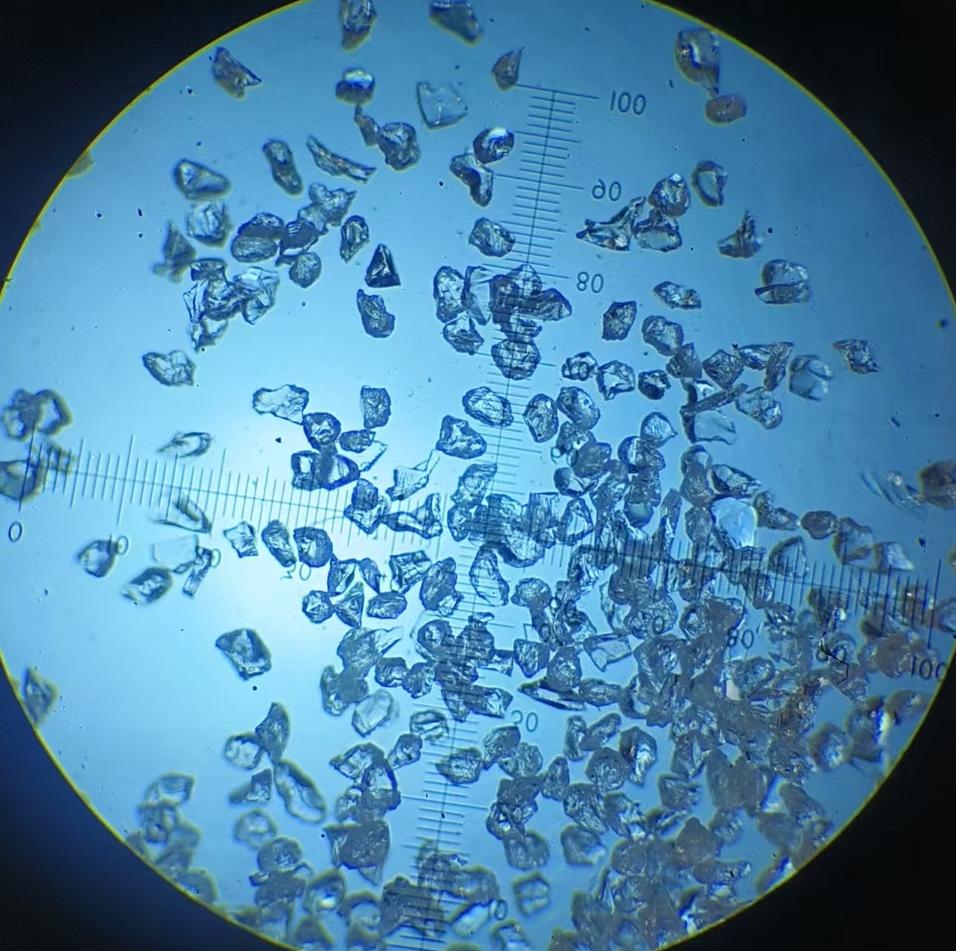
White corundum, also known as white fused alumina, is a high-purity aluminum oxide material used in the production of selected advanced ceramic and insulation materials.
Its high hardness, high-temperature stability, chemical resistance, and low impurity content make it suitable for ceramic formulations where wear resistance, mechanical strength, thermal stability, or electrical insulation are important.
- High-purity aluminum oxide composition
- High hardness and wear resistance
- Good thermal stability
- Low impurity content
- Stable chemical properties
- Available in different grain and powder sizes
White corundum can function as a high-purity alumina raw material or abrasive component in ceramic formulations. The selected particle size and purity influence packing, processing behavior, mechanical properties, and final ceramic performance.
It can therefore be considered for both wear-resistant ceramic products and selected electrical or thermal insulation applications.
Key Properties for Ceramic & Insulation Applications
Advanced ceramic manufacturing requires raw materials with stable physical and chemical characteristics. White corundum provides several properties that can support different ceramic formulations and processing requirements.
High aluminum oxide content helps maintain a relatively clean ceramic formulation where impurity control is important.
Its high hardness contributes to wear resistance in ceramic products designed for demanding mechanical applications.
White corundum maintains stable characteristics under elevated-temperature processing and service conditions.
Its chemical stability makes it suitable for ceramic systems exposed to demanding environmental conditions.
Different grit, powder, and fine particle sizes can be selected according to the ceramic manufacturing process.
Consistent particle classification can help improve repeatability when raw material specifications are properly controlled.
Applications in Advanced Ceramics & Insulation Materials
White corundum can be used in several ceramic applications where hardness, purity, thermal stability, and resistance to wear or chemical attack are required.
Wear-Resistant Ceramics
White corundum can be incorporated into ceramic formulations for components exposed to abrasion, friction, and mechanical wear. Its high hardness can contribute to improved wear resistance.
Structural Ceramics
High-purity alumina-based materials can be used in structural ceramic components where hardness, dimensional stability, and resistance to demanding operating conditions are required.
Electrical Insulation Ceramics
White corundum can be selected as a high-purity alumina material for certain electrical insulation ceramic formulations used in electronic and electrical components.
Thermal Insulation Materials
Its high-temperature stability allows white corundum to be considered in selected ceramic insulation materials and components exposed to elevated temperatures.
Electronic Ceramic Components
High-purity alumina materials are used in selected electronic ceramic components where electrical insulation, thermal stability, and mechanical reliability are important.
Refractory Ceramic Components
White corundum can also be used in selected high-temperature ceramic and refractory formulations requiring hardness, thermal stability, and resistance to harsh operating environments.
White Corundum Selection by Ceramic Application
The suitable white corundum specification depends on the ceramic manufacturing process, final product requirements, and desired material properties.
| Application | Preferred Material Form | Main Requirement |
|---|---|---|
| Wear-Resistant Ceramics | Fine Grit / Powder | High hardness, wear resistance, and stable ceramic performance |
| Structural Ceramics | Fine Powder / Controlled Grain | Mechanical strength and dimensional stability |
| Electrical Insulation | High-Purity Fine Powder | Purity, electrical insulation, and thermal stability |
| Thermal Insulation | Fine Powder / Granular Material | High-temperature stability and controlled processing |
| Electronic Ceramics | High-Purity Fine Powder | Controlled purity, particle size, and consistent processing characteristics |
| Refractory Ceramics | Grit / Fine Powder | Heat resistance, hardness, and chemical stability |
Note: Actual material requirements vary according to ceramic composition, forming method, sintering conditions, target density, and final application. Product selection should be confirmed through application testing and process evaluation.
Factors Affecting Ceramic Material Performance
The performance of an advanced ceramic depends on the complete formulation and manufacturing process. White corundum particle characteristics are only one part of the final material system.
Particle Size
Particle size affects packing behavior, forming characteristics, sintering behavior, and the final microstructure of the ceramic.
Particle Distribution
Controlled particle distribution can help improve consistency during mixing, forming, and subsequent ceramic processing.
Material Purity
Purity is particularly important in electrical, electronic, and high-temperature ceramic applications where unwanted impurities may affect performance.
Sintering Conditions
Temperature, atmosphere, holding time, and heating conditions can significantly influence density, microstructure, and final ceramic properties.
Advantages of White Corundum in Advanced Ceramics
High Aluminum Oxide Content
High Al₂O₃ content makes white corundum suitable for ceramic formulations where high-purity alumina is required.
Excellent Hardness
Its high hardness can contribute to the wear resistance and mechanical durability of ceramic components.
High-Temperature Stability
White corundum is suitable for ceramic systems exposed to elevated processing and operating temperatures.
Low Impurity Content
Low impurity levels are beneficial for applications where material purity and stable ceramic characteristics are important.
Multiple Particle Sizes
Different grit and powder specifications allow the material to be adapted to different ceramic manufacturing processes.
Versatile Ceramic Applications
White corundum can be considered for wear-resistant, structural, electrical insulation, thermal insulation, electronic, and refractory ceramic applications.
How to Select White Corundum for Ceramic Manufacturing
Selecting white corundum for advanced ceramic production requires consideration of both the raw material specification and the manufacturing process.
Define the Ceramic Application
Determine whether the material will be used for wear-resistant ceramics, insulation, electronic components, structural parts, or high-temperature applications.
Determine Purity Requirements
Evaluate the required Al₂O₃ content and impurity limits according to the performance requirements of the final ceramic product.
Select Particle Size
Choose the appropriate grit or powder size according to the forming method, packing requirements, and target ceramic microstructure.
Match the Manufacturing Process
Consider mixing, pressing, casting, extrusion, sintering, and other processing conditions when selecting the abrasive material specification.
Evaluate Final Properties
Test density, hardness, strength, insulation performance, thermal stability, and other relevant properties to confirm the most suitable specification.
Common White Corundum Forms
White corundum can be supplied in different particle specifications according to ceramic manufacturing requirements.
- White Fused Alumina Grit
- White Corundum Fine Grit
- White Fused Alumina Powder
- White Corundum Micropowder
- High-Purity Alumina Specifications
- Customized Particle Size
- Customized Industrial Packaging
White Corundum for Ceramic Manufacturing
Different ceramic products require different particle characteristics. Coarser grades may be selected for granular ceramic formulations, while fine powders and micropowders are more suitable for applications requiring controlled particle packing and a refined microstructure.
For electrical and electronic ceramic applications, material purity and particle consistency can be especially important. For wear-resistant and structural ceramics, hardness, thermal stability, and mechanical performance may receive greater emphasis.
The final specification should therefore be matched to the formulation, forming method, sintering process, and performance requirements of the ceramic product.
Conclusion
White corundum is a high-purity aluminum oxide material that can be used in selected advanced ceramic and insulation applications. Its high hardness, thermal stability, chemical resistance, and low impurity content make it suitable for ceramic formulations requiring stable and reliable material characteristics.
Applications include wear-resistant ceramics, structural ceramics, electrical insulation materials, thermal insulation, electronic ceramic components, and selected refractory products.
The appropriate white corundum specification depends on particle size, purity, formulation, forming method, sintering conditions, and final performance requirements. Application testing is recommended to determine the most suitable grade for a specific ceramic manufacturing process.