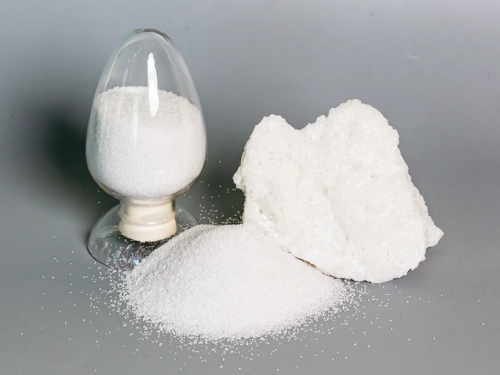

You often see pure alumina color as white or clear. This is because it does not absorb visible light. Alumina can exhibit different colors in other forms. The alumina color changes due to factors like impurities. The method of production also influences its color. Additionally, the crystal structure can alter the alumina color. Understanding how alumina looks helps you choose the right type for each application.
| Form of Alumina | Color Characteristics | Applications |
|---|---|---|
| Pure Alumina | White or colorless | Used in ceramics for its appearance |
| Alpha (α) Alumina | Usually white | Most stable type, used in various products |
| Gamma (γ) Alumina | Gray or off-white | Used in catalysts and adsorbents; the color indicates its effectiveness |
Key Takeaways
- Pure alumina looks white or clear. It does not take in visible light. You can spot pure alumina by these colors.
- Alumina color changes when it has impurities or additives. Things like chromium and iron make bright colors in gemstones.
- How alumina is processed changes its color. Using high heat and pure materials is important for the right look.
- Alumina has different crystal forms, like alpha and gamma. Alpha-alumina is steady and white. Gamma-alumina can look gray.
- Watching alumina color helps find problems in ceramics. Strange colors often mean there are impurities or issues in making it.
Alumina Color in Pure and Natural Forms
Pure Alumina Appearance
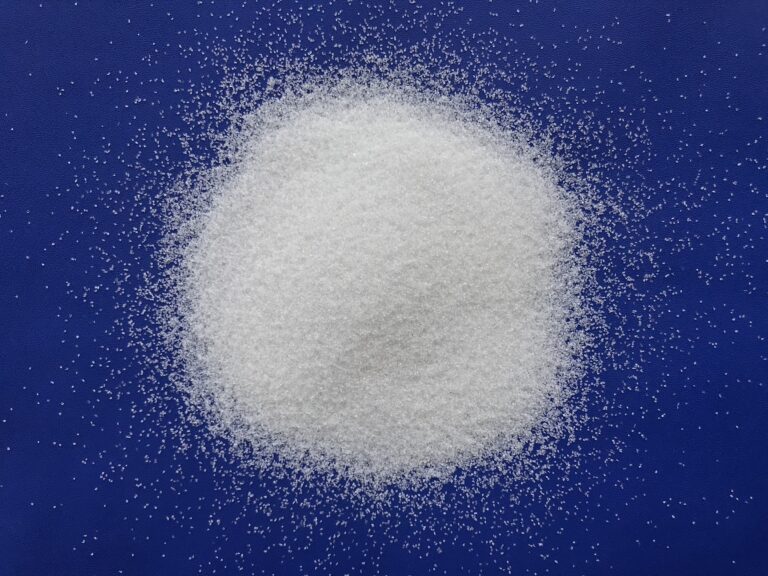
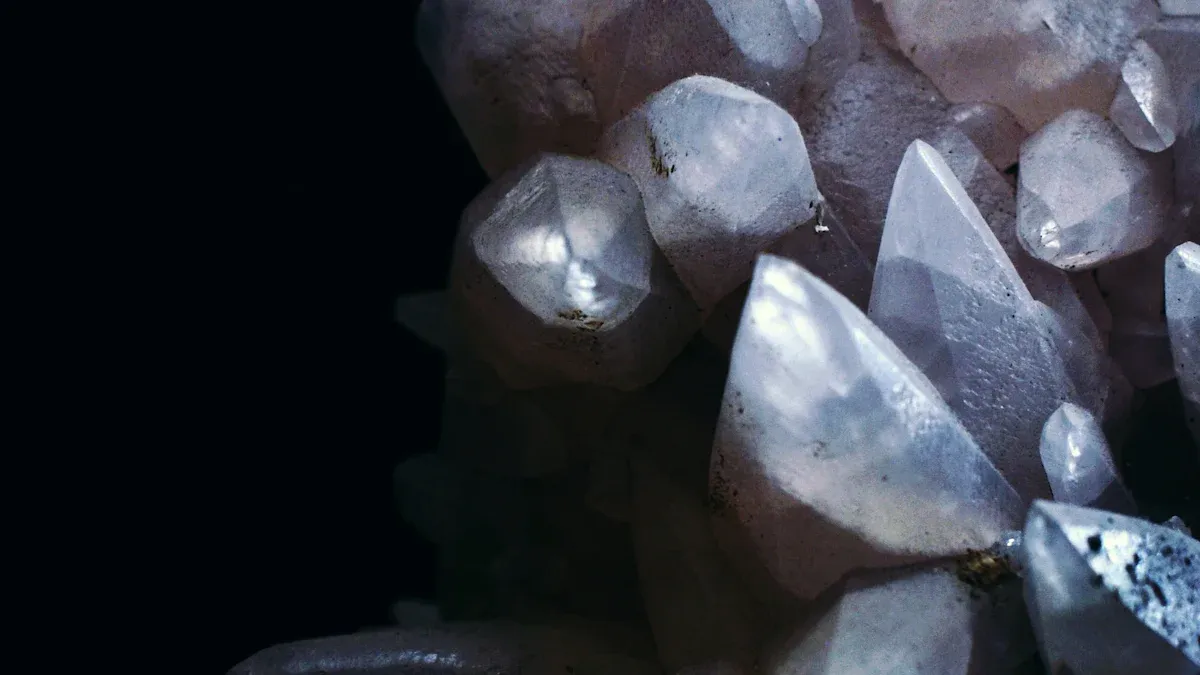
Pure alumina looks white or clear. It does not take in visible light. You can find pure alumina as a fine white powder. Sometimes, it is seen as clear crystals. There are no impurities in pure alumina. This keeps the alumina color easy to spot.
Pure alumina and natural corundum have the same chemical formula. They both are Al₂O₃. But they do not always look the same. The table below shows how they are different:
| Property | Alumina (Al₂O₃) | Corundum |
|---|---|---|
| Color | White/Transparent | Varies (due to impurities) |
| Optical Properties | Mostly colorless | Color variations due to impurities |
Pure alumina stays white or clear. Corundum can be many colors. This is because natural corundum has trace elements.
Tip: To spot pure alumina, look for white or clear color. If you see other colors, there are impurities or changes in the crystal structure.
Natural Corundum and Gemstone Colors
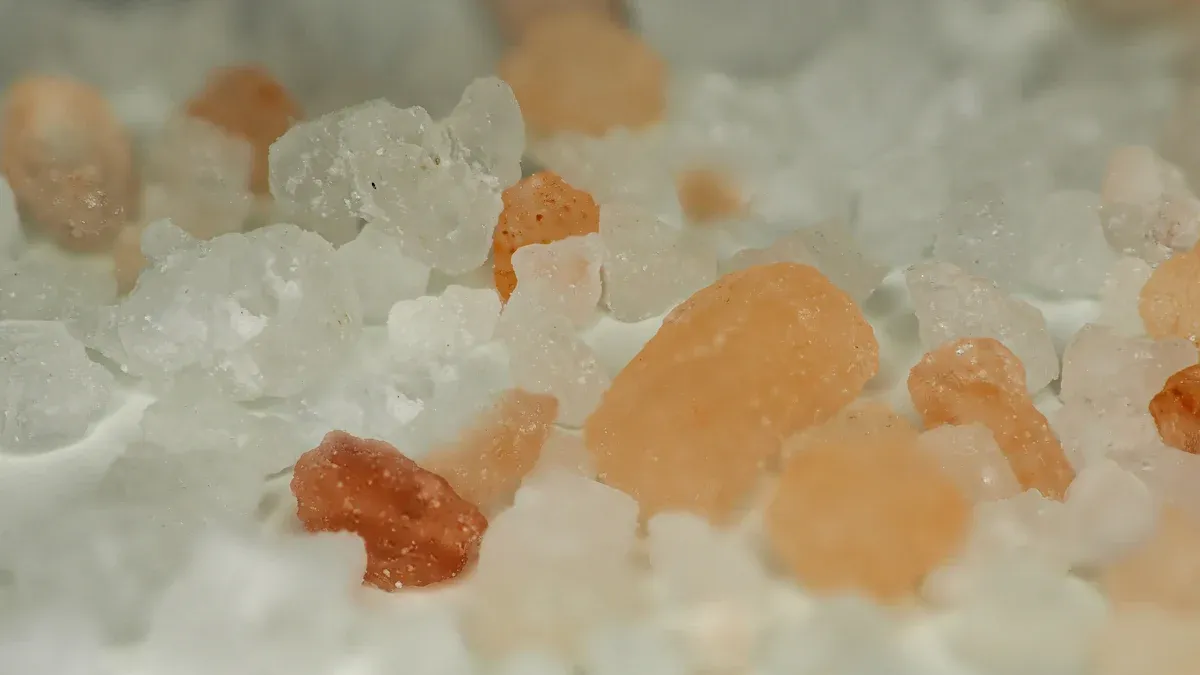
Alumina in nature is often found as corundum. Pure corundum is colorless. Most natural corundum has tiny bits of other elements. These trace elements change the alumina color. They make gemstones look beautiful.
Rubies and sapphires are famous colored corundum. Rubies are red because of chromium. Sapphires are blue from iron and titanium. Sapphires can also be pink if chromium is present. The color depends on which trace elements are inside.
- Corundum is a crystal form of aluminum oxide.
- It can be clear, but metal impurities give it color.
- Rubies are red from chromium.
- Sapphires can be blue, yellow, or pink. Iron, titanium, or chromium cause these colors.
Some corundum shows rare colors. Padparadscha sapphires are pink-orange from chromium and iron. Yellow sapphires get their color from iron. The way metals react with light changes how the gemstone looks.
Note: The alumina color in gemstones comes from trace elements. These elements absorb and reflect light. Even a little chromium, iron, or titanium can change the color a lot.
Gemstone experts use color changes to tell stones apart. You can learn about a gemstone by looking at its color. Knowing which elements cause the color helps too. The link between alumina color and trace elements has helped people make jewelry and ceramics for a long time.
Color Factors and Variations
Impurities and Additives
Alumina color can change when impurities or additives are present. Even a tiny bit of another element can make a big difference. Chromium makes alumina red, which is seen in rubies. Iron and titanium turn alumina blue, like in sapphires. Other trace elements can make alumina yellow, pink, or green.
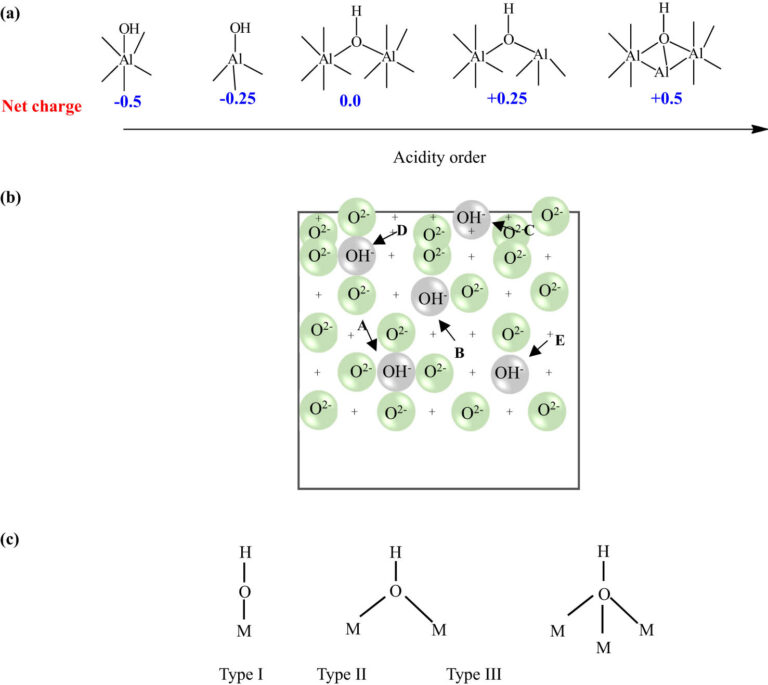
Industrial alumina often has common impurities. These include sodium oxide, calcium oxide, iron oxide, and silicon dioxide. Most of these only cause small color changes. Surface hydroxyl ions can make the color change a lot. You can see how these impurities affect color in the table below:
| Impurity | Effect on Color |
|---|---|
| Na₂O | Slight changes |
| CaO | Slight changes |
| Fe₂O₃ | Slight changes |
| SiO₂ | Slight changes |
| Surface Hydroxyl Ions | Significant variation |
Special tools help you find out which impurities are inside alumina. Cathodoluminescence analysis shows color changes from impurities. Electron microscopy and energy spectrum analysis tell you the exact elements in alumina. These methods help you learn why alumina color changes.
Tip: If alumina has a strong color, certain metals or ions might be present. You can use science tools to check your guess.
Processing Effects
How you process alumina can change its color too. High heat, mixing problems, or contamination can affect how it looks. Heating alumina to 1200 °C or more turns all forms into alpha-alumina, which is usually white. Lower temperatures can make alumina look gray or off-white.
Many things in the factory can change alumina color. These include how pure the raw materials are, the furnace type, and how well powders are mixed. Dirty furnace plates or binder problems can cause colors like yellow or brown. Here is a table that shows how different factors change alumina ceramics color:
| Factor | Effect on Color Variation |
|---|---|
| Purity Level | Unique ivory color at 99.8% purity |
| Furnace Plates/Setters | Potential contamination affecting color |
| Furnace Elements | May influence the final color of ceramics |
| Contamination of Raw Materials | Can lead to unexpected color changes |
| Dispersion/Mixing Issues | Affects uniformity and color consistency |
| Binder Issues | May alter the final appearance of ceramics |
| Density Issues | Can impact the color outcome |
| Particle Size Issues | Influences the final color and texture |
Alumina ceramics can turn yellow. This happens if you use impure materials, fire at high heat, or have chemical reactions during processing. Even the factory environment can change the color.
Note: You can control alumina color by using pure materials and careful processing. If you see a color you did not expect, check your process for problems.
Crystalline Forms
Alumina has different crystalline forms. The most common are alpha (α) and gamma (γ) alumina. Alpha-alumina is usually white and very stable. It is used in most ceramics and single crystals. Gamma-alumina looks more gray or off-white. It is often used in catalysts and adsorbents.
Here is a table that shows how the form affects alumina color:
| Form of Alumina | Color/Appearance Description |
|---|---|
| Alpha (α) Alumina | Generally white and is the most stable form. |
| Gamma (γ) Alumina | Can appear more gray or off-white, often used in catalysts. |
The crystal structure changes how alumina interacts with light. Heating alumina can shift the structure. This can change the refractive index and optical properties. After heat treatment, you might see a blue shift in the photonic bandgap. This means alumina reflects and absorbs light differently when its structure changes.
Different forms of alumina are used for different jobs. Alpha-alumina is good for ceramics and optical coatings because it is stable and white. Gamma-alumina is better for chemical uses because of its surface area and color.
Tip: If you want bright white alumina, pick the alpha form and use pure materials. If you need a catalyst, gamma-alumina is a good choice, even if it looks gray.
Knowing these factors helps you predict and control alumina color for your needs.
Practical Uses and Identification
Alumina Color in Ceramics
Alumina ceramics are used in many things. They are strong and can handle heat. Most alumina ceramics look white. Some can be pink or brown. These colors change when makers add other materials. Impurities in the raw materials also cause color changes.
- White is the usual color for alumina ceramics.
- Pink and brown happen from additives or less pure alumina.
- Additives like zirconia, manganese oxide, titania, silica, copper, and brass change the color.
- Alumina ceramics with 96% purity often look brown. Those with 88% purity usually look pink.
Makers shape alumina in different ways. They use slip casting, pressing, extrusion, or injection molding. Pure alumina stays white. Adding manganese oxide or other things makes the color change.
Tip: If you want a certain color, pick the right additives. You should also control how pure your materials are.
Color for Material Identification
You can use alumina color to check ceramic quality. Color changes often show problems in making ceramics. You might see black, brown, or red spots. Sometimes, the whole ceramic turns yellow or gray. These colors mean there are impurities or issues in production.
- Color changes can show spots or color problems.
- Black, brown, and red spots are common defects.
- Yellow or gray tones can happen if the process is not controlled.
Quality teams look for these color changes. They make sure the ceramics are good. If you see strange colors, something may be wrong with the materials or process.
New color analysis tools help you find alumina in mixed samples. These tools use sensors that work fast and show results clearly. They can find aluminum ions even with other materials around. This helps you check the purity and quality of your ceramics.
Note: Watching alumina color helps you find problems early. It helps keep your products high quality.
Alumina color can change for different reasons. Some main reasons are:
- Impurities in the materials can make alumina yellow or gray.
- Sunlight can turn white alumina into light yellow.
- Chemical reactions and water can also change the color.
If you know why the color changes, you can pick the best alumina. Seeing the color helps you check quality and use alumina the right way.
FAQ
What is the natural color of pure alumina?
Pure alumina looks white or clear. It does not take in visible light. You can see this in powder or crystal form. This makes it easy to notice.
Why do rubies and sapphires have different colors?
Rubies are red because they have chromium. Sapphires are blue from iron and titanium. Even a little of these elements can change alumina’s color.
Can you change alumina’s color during processing?
Yes, you can change alumina’s color. You add other materials or use different heating. Impurities and steps can make alumina pink, brown, yellow, or gray.
How does alumina color help in quality control?
Alumina’s color helps you find impurities or problems. Strange colors often mean there are issues with materials or how it was made.