Category BLOG

Benefits and Uses of Brown Aluminum Oxide

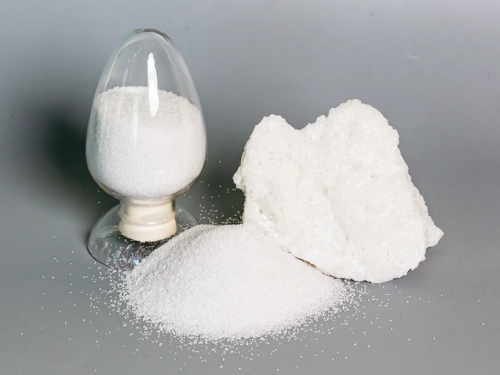
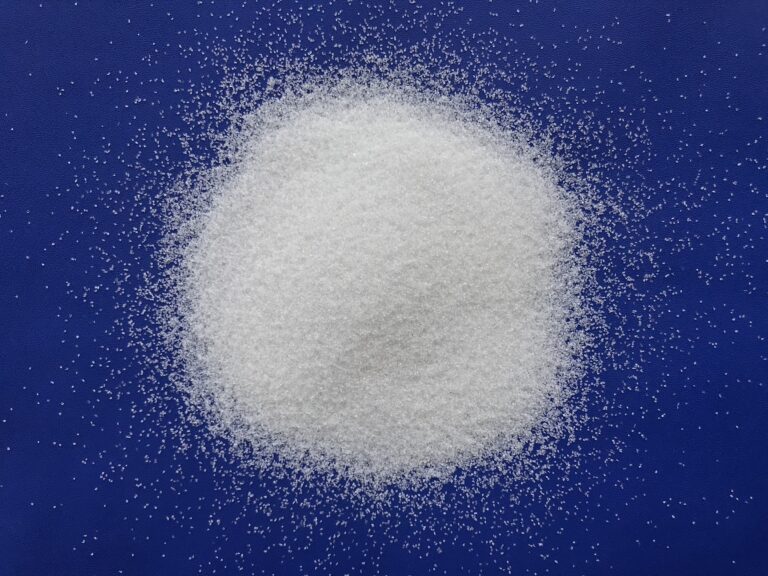
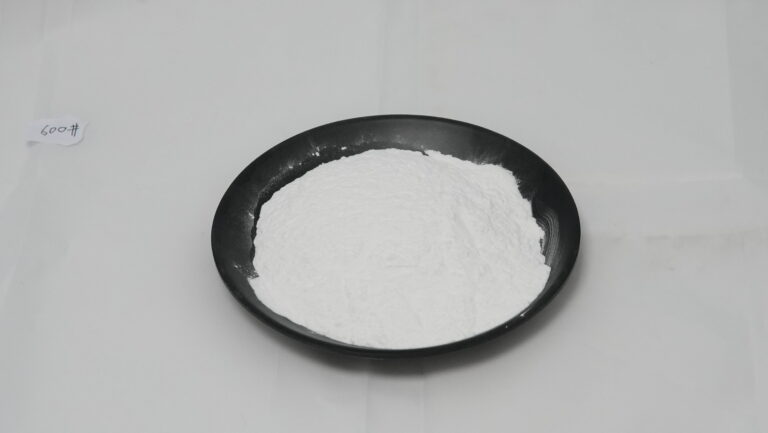
Brown Aluminum Oxide Powder brown aluminum oxide

Brown aluminum oxide, also known as brown fused aluminum oxide, is a type of abrasive material made from bauxite. It is created through a fusion process that involves melting bauxite in an electric arc furnace. The result is a crystalline material that is extremely tough and durable, making it ideal for abrasive applications. The Manufacturing Process The production of brown aluminum oxide begins with the extraction of bauxite, a naturally occurring mineral rich in aluminum. The bauxite is then subjected to a high-temperature fusion process in an electric arc furnace, reaching temperatures up to 2000 degrees Celsius. This intense heat causes the bauxite to melt and form a glass-like substance, which is then cooled and crystallized into brown aluminum oxide grains.…

Understanding the Risks of Alumina Dust

Microscopic view of alumina particles

Alumina dust is a common byproduct in many industries. It is also known as aluminum oxide dust. This dust is prevalent in sectors like mining, manufacturing, and construction. Workers in these fields face potential exposure daily. Understanding the risks associated with alumina dust is crucial. It can impact health and safety significantly.…

Understanding the Thermal Expansion of Al2O3

Microstructure of Al2O3

Al2O3, commonly known as alumina, is a vital ceramic material. It is renowned for its exceptional thermal and electrical properties. Understanding these properties is crucial for various applications. One key property is the thermal expansion coefficient of Al2O3. This coefficient measures how much alumina expands when heated. It is essential for applications involving temperature changes.…

Understanding the Crystal Structure of Aluminum Oxide

Image of Corundum Gemstones crystal form of aluminum oxide

Aluminum oxide, commonly known as alumina, is a vital material in various industries. Its unique properties make it indispensable in fields like electronics, ceramics, and refractories. Understanding its crystal structure is crucial for optimizing its applications. The most stable crystalline form of aluminum oxide is corundum. Corundum is renowned for its hardness and high melting point. This makes it an excellent abrasive material.…

Understanding the Aluminum Refinery Process

Diagram of an aluminum refinery process

Aluminum refineries play a crucial role in the production of aluminum metal. They transform bauxite ore into alumina, a key material. This process is known as alumina refining. It involves several complex steps, each vital to the final product’s quality. The Bayer Process is the primary method used in these refineries. It efficiently extracts alumina from bauxite.…

Understanding the Tensile Strength of Alumina

diagram of tensile strength test alumina tensile strength

When it comes to materials used in engineering and manufacturing, alumina is a standout for its impressive properties. But what exactly is the tensile strength of alumina, and why is it so important? In this article, we will delve into the concept of tensile strength, explore why alumina is a preferred material, and examine its applications across various industries. Tensile strength is a measure of the force required to pull something to the point where it breaks. It is a critical factor in determining a material’s ability to withstand tension without failing. Essentially, it tells us how much pulling force a material can handle before it starts to tear apart. Understanding tensile strength is vital for engineers and designers who seek to choose the right materials for specific applications. The Importance of Tensile Strength in Material Selection…