White fused alumina (WFA), also known as white aluminum oxide or white corundum, is a high-purity abrasive material widely used in surface treatment, precision grinding, polishing, refractory manufacturing, and abrasive tool production.
Produced by electric arc melting high-purity alumina, white fused alumina offers high hardness, chemical stability, and excellent thermal resistance. Its white color and low impurity content make it particularly suitable for applications where surface cleanliness, precision, and consistent abrasive performance are important.
This article introduces the main applications of white fused alumina, including grinding, polishing, sandblasting, ceramic processing, and refractory materials.
What Is White Fused Alumina?
White fused alumina is an abrasive material made primarily from high-purity alumina (Al₂O₃). It is manufactured through high-temperature fusion and subsequently crushed, screened, and classified into different particle sizes.
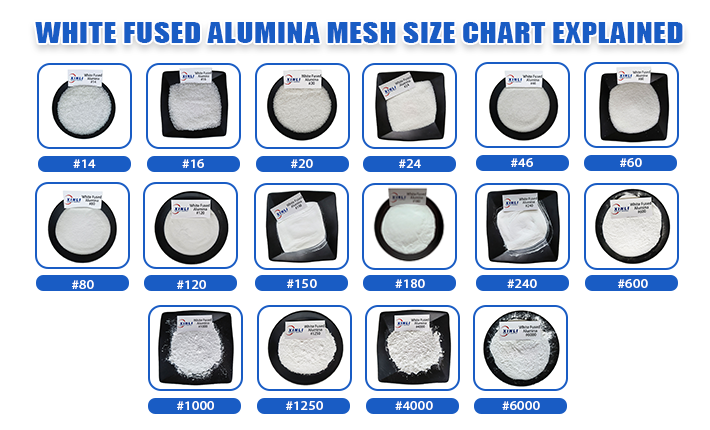
White fused alumina is available in several forms:
Typical applications depend on grit size, purity, sodium oxide content, and particle size distribution.
Key Properties of White Fused Alumina
- High alumina content
- Mohs hardness of approximately 9.0
- Excellent wear resistance
- Good chemical stability
- High refractoriness
- Consistent abrasive performance
- White appearance with low contamination potential
These properties make white fused alumina suitable for both general industrial processing and precision manufacturing.
1. White Fused Alumina for Precision Polishing

Precision polishing is one of the most important applications of fine white fused alumina powder.
White fused alumina micro powder is used to remove minor surface imperfections and improve the smoothness of various materials. Its controlled particle size allows manufacturers to achieve consistent surface finishes during polishing operations.
Common Polishing Applications
White fused alumina is used for polishing:
- Stainless steel
- Aluminum products
- Glass
- Optical components
- Ceramics
- Stone surfaces
- Precision metal parts
Fine white fused alumina powders are especially useful in applications requiring a clean and uniform surface finish.
Why Choose White Fused Alumina for Polishing?
The high purity and white color of the material help minimize unwanted contamination during processing. This makes it suitable for applications where appearance and surface quality are important.
Low sodium white fused alumina can also be selected for certain precision applications requiring controlled chemical composition and improved thermal stability.
2. White Fused Alumina for Grinding

White fused alumina is widely used in grinding operations because of its high hardness and sharp abrasive grains.
It is commonly incorporated into bonded abrasive tools, coated abrasives, and grinding wheels.
Typical Grinding Applications
- Precision metal grinding
- Tool sharpening
- Stainless steel grinding
- Surface finishing
- Precision component manufacturing
- Grinding of hardened steel
White fused alumina is particularly suitable for applications requiring controlled material removal and reduced contamination.
The selection of grit size depends on the desired grinding efficiency and final surface roughness.
Coarse grit is generally used for initial grinding, while finer grit sizes are used for finishing operations.
3. White Fused Alumina for Sandblasting and Surface Preparation
White fused alumina grit is commonly used as a blasting abrasive for surface cleaning and preparation.
Its sharp and durable abrasive particles can effectively remove rust, oxidation, coatings, and surface contaminants.
Common Sandblasting Applications
- Stainless steel surface preparation
- Paint removal
- Rust removal
- Surface cleaning
- Glass etching
- Coating preparation
- Precision blasting
Unlike some abrasive media that may introduce unwanted color contamination, white fused alumina is preferred in applications where a clean and neutral abrasive is required.
It is also suitable for reusable blasting systems because of its hardness and durability.
4. White Fused Alumina for Abrasive Tools Manufacturing
White fused alumina is an important raw material for manufacturing bonded and coated abrasive products.
Its consistent hardness and particle shape help produce abrasive tools with reliable grinding performance.
Products Manufactured Using White Fused Alumina
- Grinding wheels
- Cutting discs
- Abrasive belts
- Sandpaper
- Abrasive discs
- Polishing compounds
- Mounted points
White fused alumina is often selected for abrasive tools used in precision grinding and surface finishing.
The appropriate grit size and grain distribution are important factors in determining the performance of the final abrasive product.
5. White Fused Alumina for Stainless Steel and Metal Processing
White fused alumina is widely used in stainless steel and other metal processing industries.
Stainless steel surfaces often require grinding and polishing processes to achieve a smooth, clean, and uniform appearance.
White fused alumina abrasives help remove:
- Surface scratches
- Welding marks
- Oxidation layers
- Burrs
- Minor surface defects
Typical Metal Applications
- Stainless steel polishing
- Aluminum component finishing
- Precision metal grinding
- Surface preparation before coating
- Tool and equipment manufacturing
Because white fused alumina contains low levels of coloring impurities, it is often preferred for applications where surface appearance is important.
6. White Fused Alumina for Ceramic Processing
Ceramic materials are hard and brittle, requiring abrasive materials with high hardness and controlled cutting performance.
White fused alumina is commonly used in ceramic grinding and surface finishing.
Applications in Ceramic Manufacturing
- Technical ceramics
- Advanced ceramics
- Ceramic components
- Ceramic tiles
- Precision ceramic parts
- Surface polishing
Fine white fused alumina powders can be used for finishing operations, while larger grit sizes are suitable for initial shaping and grinding.
Its chemical stability and high purity make it a suitable abrasive for ceramic processing.
7. White Fused Alumina for Glass and Optical Components

White fused alumina is also used in glass processing and optical component manufacturing.
Glass and optical materials require precise surface treatment to achieve the required dimensional accuracy and surface smoothness.
Common Applications
- Optical glass grinding
- Glass edge finishing
- Surface preparation
- Precision glass polishing
- Decorative glass processing
Fine particle sizes and consistent particle distribution are important when white fused alumina is used for precision glass applications.
8. White Fused Alumina for Refractory Materials
In addition to abrasive applications, white fused alumina is widely used in the refractory industry.
Its high alumina content, excellent thermal stability, and resistance to chemical attack make it suitable for high-temperature environments.
Common Refractory Applications
- Refractory bricks
- Monolithic refractories
- Furnace linings
- Kiln furniture
- High-temperature ceramic components
- Precision casting materials
High-purity white fused alumina is commonly selected when refractory products require excellent thermal performance and low impurity levels.
9. White Fused Alumina for Precision Casting
White fused alumina is used in certain precision casting and investment casting applications where high-purity refractory materials are required.
Its thermal stability and resistance to molten metal environments make it suitable for producing molds and refractory components.
Applications Include
- Investment casting
- Precision casting
- Ceramic shell materials
- High-temperature casting processes
The low impurity characteristics of white fused alumina can help reduce contamination risks in specialized casting processes.
How to Choose the Right White Fused Alumina
Different applications require different specifications. When selecting white fused alumina, industrial buyers should consider the following factors.
1. Grit Size
The grit size determines the cutting efficiency and final surface finish.
- Coarse grit: Heavy grinding and material removal
- Medium grit: General grinding and surface preparation
- Fine grit: Finishing and polishing
- Micro powder: Precision polishing and fine surface treatment
2. Alumina Purity
Higher alumina content is generally preferred for precision and high-temperature applications.
3. Sodium Oxide Content
Low sodium white fused alumina is suitable for applications requiring controlled sodium oxide levels and high-temperature performance.
4. Particle Size Distribution
Consistent particle size distribution helps ensure stable abrasive performance and repeatable processing results.
5. Application Requirements
The material being processed, equipment used, and required surface finish should all be considered before selecting a product grade.
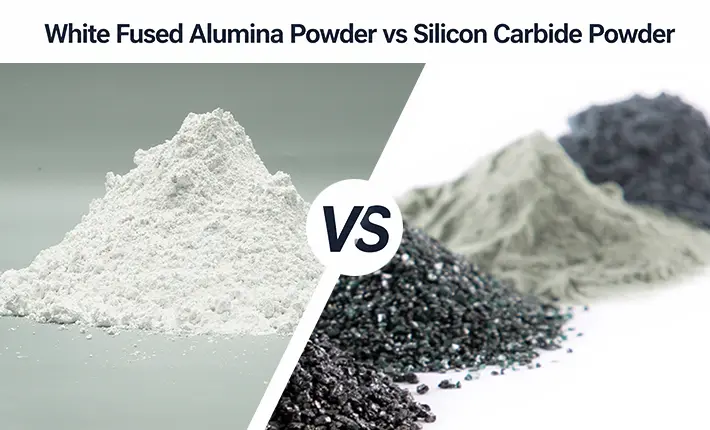
White Fused Alumina vs. Other Abrasive Materials
White fused alumina is often selected based on its combination of hardness, purity, and surface cleanliness.
| Material | Main Characteristics | Typical Applications |
|---|---|---|
| White Fused Alumina | High purity, hard, chemically stable | Precision grinding, polishing, refractories |
| Black Silicon Carbide | Sharp, hard, excellent cutting performance | Grinding, sandblasting, glass and ceramics |
| Green Silicon Carbide | High purity, friable, sharp | Precision grinding and polishing |
| Brown Fused Alumina | Tough and durable | Heavy-duty grinding and blasting |
Each abrasive material has different advantages depending on the specific application.
Conclusion
White fused alumina is a versatile high-purity abrasive material used across a wide range of industrial applications.
From precision polishing and stainless steel grinding to sandblasting, ceramic processing, glass finishing, abrasive tool manufacturing, and refractory production, white fused alumina provides reliable performance and consistent surface treatment results.
Its high alumina content, excellent hardness, chemical stability, and clean white appearance make it particularly suitable for applications requiring precision and low contamination.
For industrial buyers, selecting the correct grit size, purity, and sodium oxide specification is essential for achieving optimal performance.
A professional white fused alumina manufacturer can provide customized products and technical support based on different industrial processing requirements.