White fused alumina is one of the most widely used artificial abrasives in industrial grinding, blasting, lapping, polishing, ceramics, and refractory applications. For overseas buyers, choosing the right grade is not only about price. Purity, particle size, sodium content, bulk density, magnetic material, and application requirements all affect final performance.
For importers, distributors, abrasive tool manufacturers, and surface treatment companies, understanding white fused alumina before purchasing can help reduce trial costs and avoid wrong material selection.
What Is White Fused Alumina?
White fused alumina, also called white aluminum oxide or white corundum, is produced by melting high-purity alumina powder in an electric arc furnace at high temperature. After cooling, the fused material is crushed, shaped, magnetically separated, screened, and classified into different grain sizes.
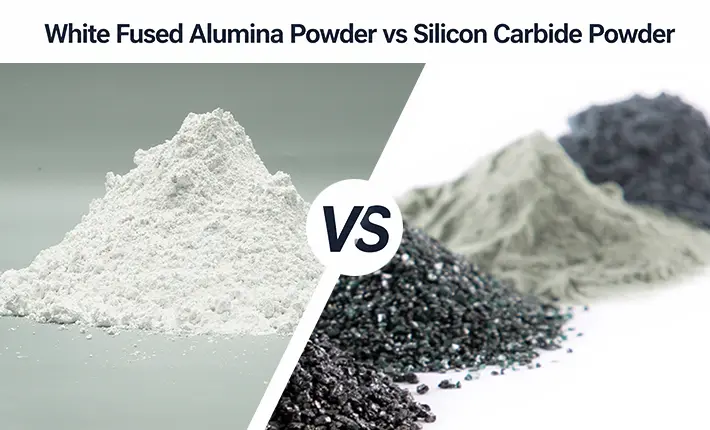
Because of its high aluminum oxide content, white fused alumina has high hardness, strong cutting ability, chemical stability, and good thermal resistance. Compared with brown fused alumina, white fused alumina is purer, whiter, and more suitable for applications where contamination control and surface finish are important.
Typical chemical composition is:
- Al2O3: usually 99% or higher
- Na2O: standard or low sodium grades available
- Fe2O3: controlled at a low level
- SiO2: controlled according to application
Low sodium white fused alumina is often preferred for vitrified grinding wheels, advanced ceramics, and refractory applications where sodium content may affect product quality.
Main Specifications and Particle Sizes
White fused alumina can be supplied as abrasive grains, grit, powder, or micron powder. The right specification depends on the processing method and target surface result.
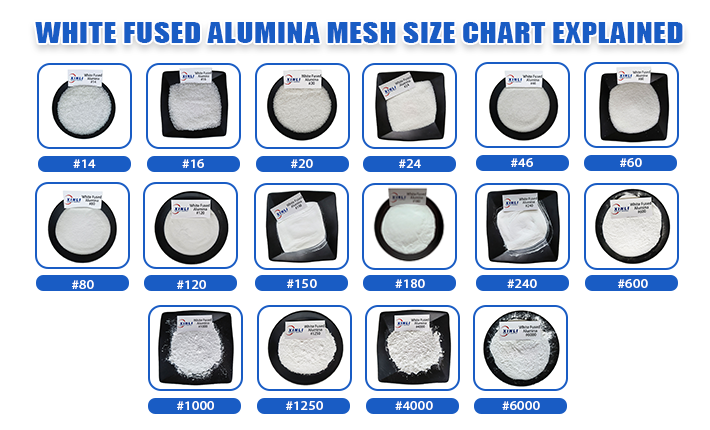
Common size standards include:
- F grit: F4 to F220, commonly used for bonded abrasives, blasting, and refractory materials
- P grit: used for coated abrasives such as sandpaper and abrasive belts
- FEPA micron powder: usually F230 to F1200
- JIS powder: often used for precision lapping and polishing
- Custom powder sizes: available based on buyer requirements
For sandblasting, buyers usually focus on cutting speed, particle shape, dust level, and reusability. For polishing or lapping, particle size distribution and consistency are more important.
Difference Between White Fused Alumina Grit and Powder
White fused alumina grit and white fused alumina powder are made from the same basic material, but they are used in different ways.
White Fused Alumina Grit
Grit normally refers to coarser particles. It is used for sandblasting, bonded abrasives, grinding wheels, refractory castables, ceramic grinding tools, and anti-slip surfaces.
Typical buyer concerns include:
- FEPA size
- Bulk density
- Grain shape
- Magnetic material content
- Toughness and cutting performance
White Fused Alumina Powder
Powder and micron powder are finer materials. They are usually used for polishing, lapping, precision grinding, ceramics, electronic materials, and surface finishing.
Typical buyer concerns include:
- Particle size distribution
- D50 value
- Purity
- Low sodium requirement
- Suspension and polishing performance
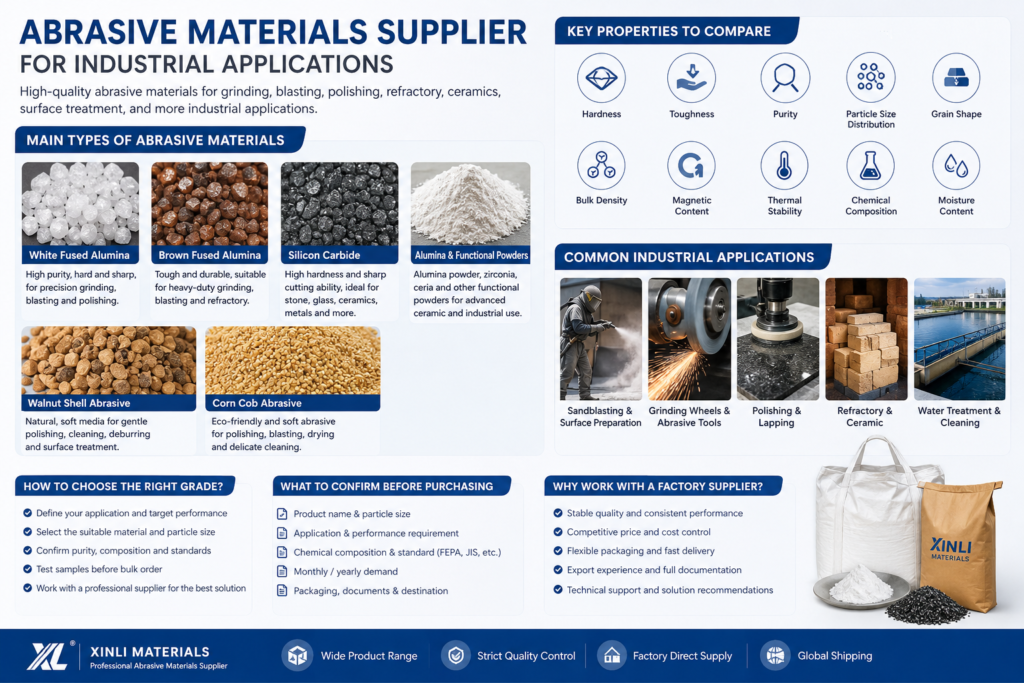
Typical Applications of White Fused Alumina
White fused alumina is used in many industrial applications because it combines hardness, purity, and stability.
Sandblasting and Surface Preparation
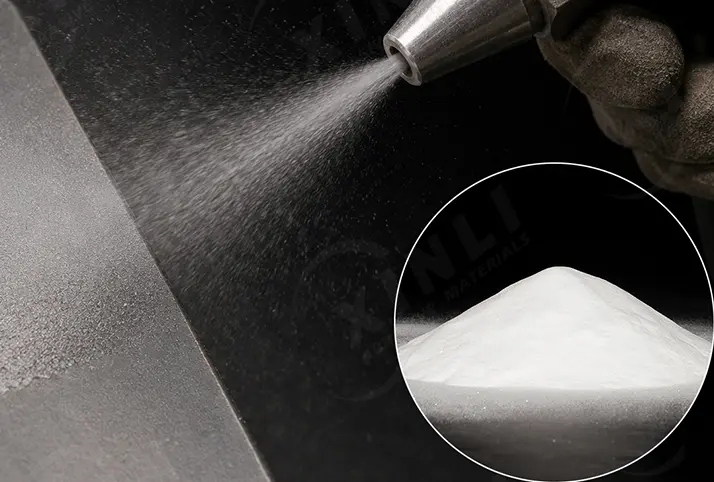
White fused alumina blasting media is used for stainless steel, aluminum alloy, titanium alloy, glass, molds, and precision parts. It creates a clean surface with less contamination than many other blasting abrasives.
Grinding Wheels and Abrasive Tools
White fused alumina is widely used in vitrified grinding wheels, resin grinding wheels, mounted points, and abrasive stones. It is suitable for hardened steel, tool steel, high-speed steel, and heat-sensitive materials.
Lapping and Polishing
White fused alumina powder is used for precision polishing of metal, glass, ceramics, semiconductor parts, and optical components. Fine powder grades provide controlled surface finishing.
Ceramics and Refractory Materials
Due to its high purity and thermal stability, white fused alumina is used in advanced ceramics, kiln furniture, refractory castables, and ceramic filters.
How to Choose the Right Grade
Before buying white fused alumina, buyers should define the application first. A blasting company, a grinding wheel factory, and a polishing material manufacturer may need very different specifications.
For blasting, choose based on:
- Surface material
- Required roughness
- Reuse cycle
- Dust control
- Grit size
For grinding wheels, choose based on:
- Bond type
- Wheel hardness
- Workpiece material
- Required cutting speed
- Sodium content
For polishing, choose based on:
- Particle size distribution
- Surface finish requirement
- Slurry compatibility
- Purity and contamination control
For refractory use, choose based on:
- Alumina content
- Grain size distribution
- Thermal stability
- Bulk density
If you are not sure which grade to choose, provide your application and current material specification to the supplier. A factory supplier can recommend a more suitable grade based on real production experience.
Why Buy from a Factory Supplier?
Buying white fused alumina from a factory supplier can help buyers control cost, specification stability, and delivery schedule. For B2B procurement, stable quality is often more important than the lowest unit price.
A reliable factory should provide:
- Consistent chemical composition
- Stable particle size distribution
- Batch testing reports
- Flexible packaging
- Export documentation
- Technical support for grade selection
For distributors, stable supply and repeatable quality are especially important because customers may reorder the same size many times.
Information Buyers Should Provide for Quotation
To get an accurate quotation, buyers should send clear purchasing details. This helps the supplier avoid guessing and reduces communication time.
Recommended information includes:
- Product name: white fused alumina grit or powder
- Required size: such as F36, F80, F220, F600, JIS #1000
- Application: blasting, grinding wheel, polishing, ceramics, refractory
- Purity or sodium requirement
- Quantity per order
- Packaging requirement
- Destination port or country
- Any test standard or technical data sheet requirement
The more complete the information, the faster the factory can provide a suitable price and lead time.