 English

Alumina Color: What Color Is White Fused Alumina?
Alumina, also known as aluminum oxide (Al₂O₃), is an important industrial material used in abrasives, ceramics, refractories, and many other manufacturing processes. Depending on its production method, chemical composition, and physical form, alumina can appear in different colors, including white, brown, pink, and off-white.
But what color is White Fused Alumina?
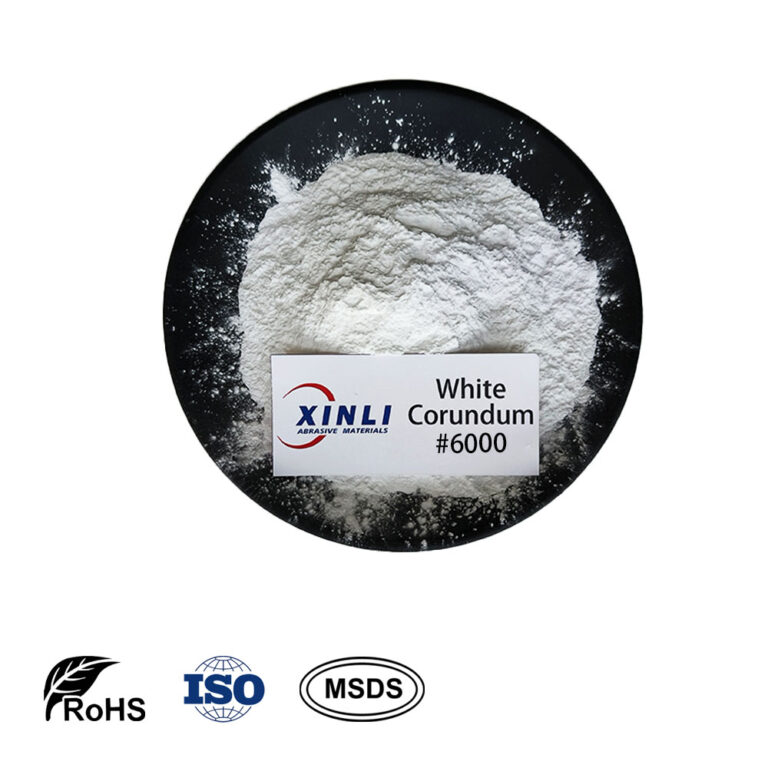
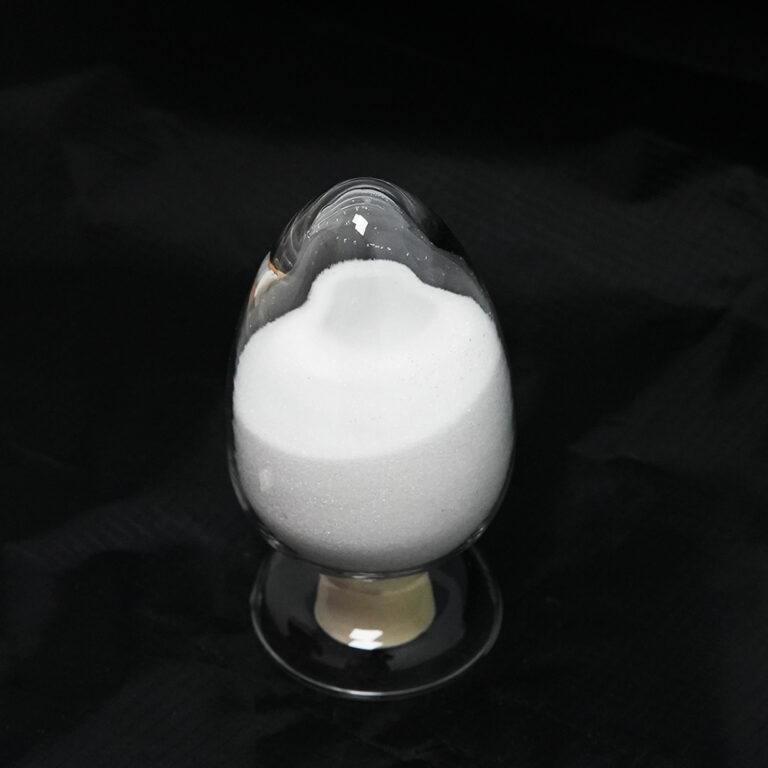
White Fused Alumina (WFA), also known as White Corundum or White Aluminum Oxide, is typically white or slightly off-white. It is produced by melting high-purity alumina in an electric arc furnace, followed by cooling, crushing, and particle-size classification.
Its characteristic white appearance, high hardness, and high alumina content make it an important abrasive material for grinding, blasting, polishing, and surface finishing.
In this article, we will explore the different colors of alumina, explain why White Fused Alumina is white, and discuss how its appearance relates to its material properties and industrial applications.
1. What Is Alumina?
Alumina is the common name for aluminum oxide, with the chemical formula Al₂O₃. It is a ceramic oxide material known for its hardness, high melting point, electrical insulation properties, and chemical stability.
Alumina is available in several industrial forms, and different production processes result in different physical structures, compositions, and appearances.
Common types include:
- White Fused Alumina (WFA): A high-purity fused aluminum oxide used in industrial abrasives and refractory applications.
- Brown Fused Alumina (BFA): A fused abrasive material generally produced from bauxite, commonly used in grinding and blasting.
- Pink Fused Alumina: A colored fused abrasive used in selected grinding and abrasive tool applications.
- Calcined Alumina: A refined aluminum oxide powder commonly used in ceramics, refractories, and polishing materials.
- Tabular Alumina: A dense, sintered alumina material widely used in high-temperature refractory applications.
Although these materials belong to the same broad aluminum oxide family, their colors and physical characteristics can differ significantly.
2. What Color Is Alumina?
Alumina does not have only one fixed commercial appearance. Its color depends on the material type, raw materials, trace impurities, manufacturing conditions, and physical form.
The following table shows the typical appearance of several industrial alumina materials.
| Alumina Type | Typical Color | Common Applications |
|---|---|---|
| White Fused Alumina | White or off-white | Grinding, blasting, polishing |
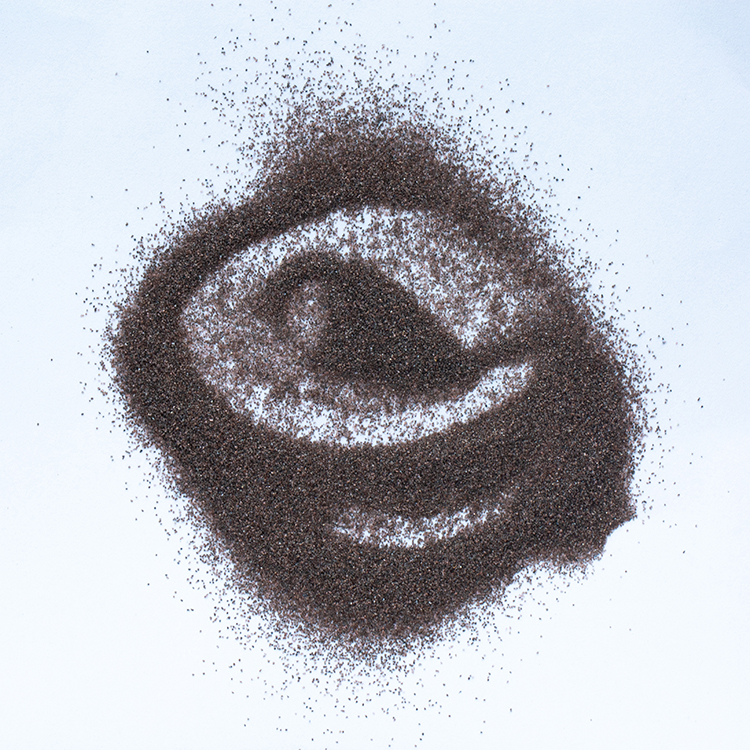
| Brown Fused Alumina | Brown or dark brown | Grinding, abrasive blasting |
| Pink Fused Alumina | Pink or reddish pink | Precision grinding |
| Calcined Alumina | White or ivory | Ceramics, refractories |
| Tabular Alumina | White or off-white | High-temperature refractories |
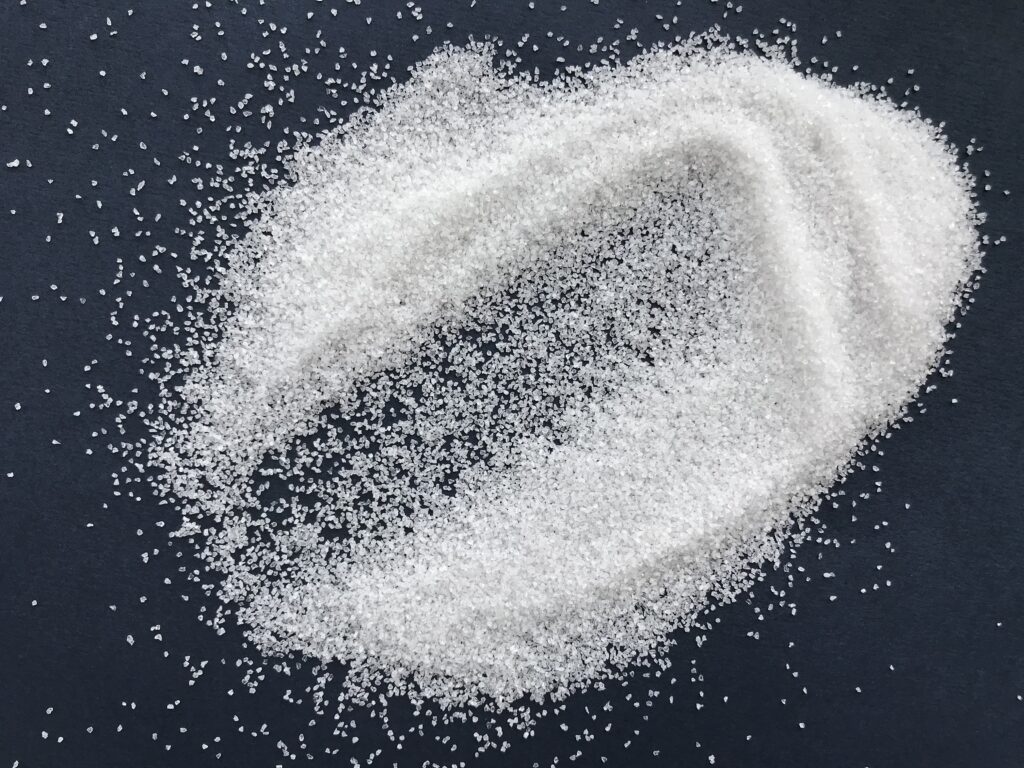
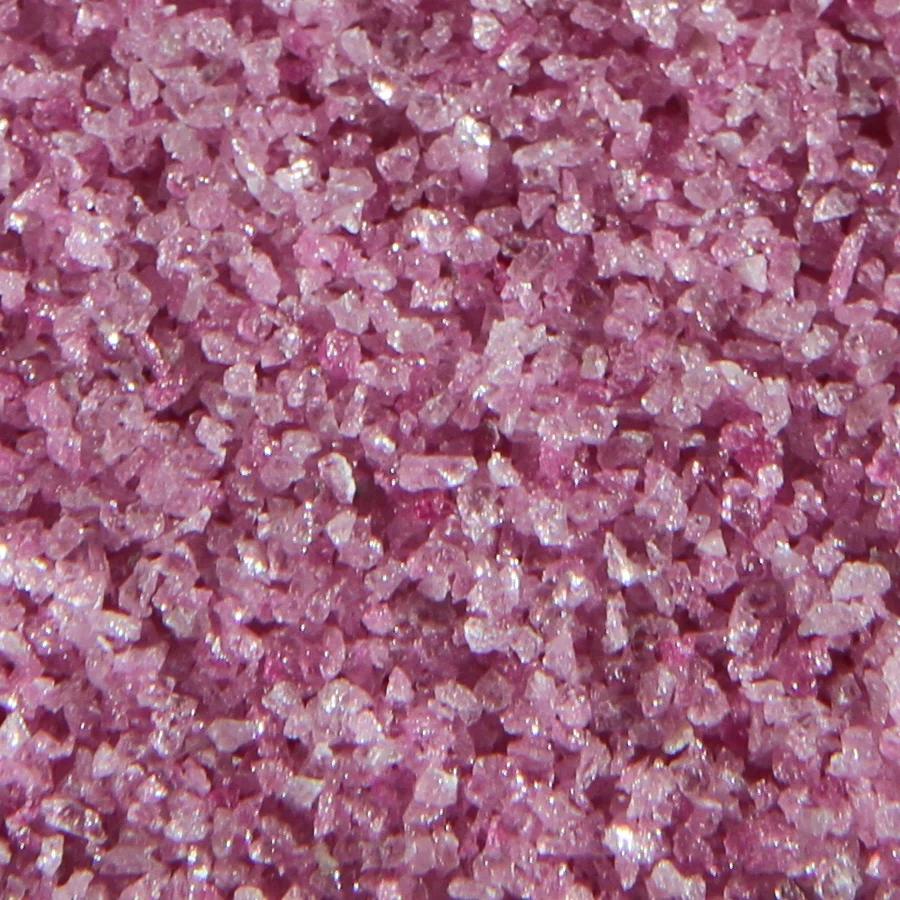
These colors are typical visual descriptions rather than universal specifications. Actual appearance can vary between manufacturers and product grades.
For industrial buyers, color can provide a preliminary visual reference, but it should not be used as the only indicator of alumina quality or purity.
3. What Color Is White Fused Alumina?
White Fused Alumina is typically bright white, pure white, or slightly off-white, depending on its grade, particle size, and production conditions.
It is manufactured by melting high-purity alumina powder at very high temperatures in an electric arc furnace. After melting and cooling, the fused material is crushed, processed, and classified into different abrasive grain sizes.
The resulting product mainly consists of α-Al₂O₃, which provides its characteristic material properties.
White Fused Alumina is commonly recognized by the following characteristics:
- Color: White or slightly off-white.
- Chemical Formula: Al₂O₃.
- Main Crystal Phase: α-Al₂O₃.
- Mohs Hardness: Approximately 9.
- Melting Point: Approximately 2050°C.
- Grain Shape: Typically angular and sharp.
These are general characteristics. Actual chemical composition and physical specifications should be confirmed through the manufacturer’s technical data sheet.
White Fused Alumina is especially suitable for applications where high hardness, controlled abrasive grain sizes, and relatively low levels of certain impurities are required. fusedalumina.abrasivesmart.com+2
4. Why Is White Fused Alumina White?
The white appearance of White Fused Alumina is mainly associated with its high-purity aluminum oxide composition and the relatively low levels of coloring impurities.
Some metal oxide impurities, particularly iron- and titanium-containing compounds, can influence the appearance of alumina-based materials.
For example, Brown Fused Alumina generally contains more iron- and titanium-related compounds than White Fused Alumina, contributing to its characteristic brown appearance.
White Fused Alumina is manufactured using high-purity alumina feedstock, which helps produce a cleaner white appearance.
Several factors can influence its final color:
1. Raw Material Purity
The quality and composition of the alumina raw material influence the final product’s appearance. High-purity feedstock is important for producing White Fused Alumina.
2. Impurity Content
Iron oxide, titanium-containing compounds, and other impurities can affect the color of alumina-based materials.
3. Manufacturing Process
High-temperature fusion, cooling, crushing, and subsequent processing can influence the appearance and consistency of the final abrasive material.
4. Particle Size and Surface Characteristics
Fine powders and coarse abrasive grains may appear visually different because of variations in light scattering and particle surfaces.
Therefore, the white appearance of WFA is related to its material composition and manufacturing process rather than color alone. Plus.ppt [Compatibility Mode]+2
5. Does Alumina Color Indicate Its Purity?
Color can provide useful information about an alumina material, but it does not directly determine its chemical purity.
For example, White Fused Alumina generally has a high Al₂O₃ content and a white appearance. However, a white-colored alumina powder is not necessarily White Fused Alumina, because calcined alumina and other refined alumina products can also appear white.
Similarly, the appearance of an abrasive grain may vary slightly depending on its particle size, processing conditions, and surface characteristics.
For accurate material evaluation, industrial buyers should check the following specifications:
| Quality Parameter | Why It Matters |
|---|---|
| Al₂O₃ Content | Indicates the aluminum oxide content |
| Fe₂O₃ Content | Helps evaluate iron-related impurities |
| SiO₂ Content | Indicates silica impurities |
| Na₂O Content | Important for evaluating alkali content |
| Particle Size Distribution | Influences abrasive performance |
| Grain Shape | Affects cutting and grinding behavior |
For White Fused Alumina, chemical analysis and particle-size testing provide more reliable quality information than visual inspection alone.
6. White Fused Alumina vs. Brown Fused Alumina: Color and Performance Differences
White Fused Alumina and Brown Fused Alumina are two widely used fused aluminum oxide abrasives. Although both are based on aluminum oxide, they differ in raw materials, chemical composition, appearance, and certain abrasive characteristics.
| Comparison | White Fused Alumina | Brown Fused Alumina |
|---|---|---|
| Appearance | White or off-white | Brown or dark brown |
| Main Raw Material | High-purity alumina | Bauxite-based raw materials |
| Al₂O₃ Content | Typically higher | Generally lower |
| Mohs Hardness | Approximately 9 | Approximately 9 |
| Grain Characteristics | Hard and relatively friable | Tough and durable |
| Common Applications | Precision grinding, polishing, clean blasting | General grinding, blasting, abrasive tools |
White Fused Alumina is often selected for applications requiring high purity and controlled surface finishing. Brown Fused Alumina is widely used for general-purpose abrasive applications where toughness and cost considerations are important.
The appropriate material depends on the workpiece, processing method, required surface finish, and abrasive specifications. yn-abrasives.com+1
7. Industrial Applications of White Fused Alumina
Because of its high hardness, good thermal stability, and high-purity composition, White Fused Alumina is widely used in different industrial processes.
Abrasive Blasting
White Fused Alumina is used for surface cleaning, oxide removal, and surface preparation. Its sharp abrasive grains help remove unwanted surface materials.
Grinding Wheels and Bonded Abrasives
WFA is used as an abrasive grain in resin-bonded and vitrified grinding wheels. Its hardness and cutting characteristics make it suitable for processing various metal materials.
Coated Abrasives
White Fused Alumina is used in abrasive papers, sanding belts, and other coated abrasive products for metalworking and surface finishing.
Precision Grinding and Polishing
Fine White Fused Alumina powders can be selected for certain lapping, grinding, and polishing processes where controlled particle sizes are required.
Refractory Applications
Its high melting point and thermal stability make White Fused Alumina suitable for selected refractory materials and high-temperature industrial applications.
8. How to Identify High-Quality White Fused Alumina?
When purchasing White Fused Alumina, buyers should evaluate more than its white appearance. A reliable product should meet the chemical and physical specifications required by the intended application.
Important factors include:
- Al₂O₃ Content: Check the aluminum oxide content against the required grade.
- Impurity Levels: Review Na₂O, Fe₂O₃, and SiO₂ specifications.
- Particle Size: Confirm the required FEPA, JIS, or other applicable grading standard.
- Grain Shape: Evaluate grain characteristics according to the intended abrasive application.
- Color Consistency: Check whether the product has a consistent appearance between batches.
- Manufacturer Quality Control: Review available technical data sheets and quality inspection procedures.
For industrial buyers, requesting a product specification sheet and representative sample is a practical way to evaluate whether the material meets production requirements.
9. FAQ About Alumina Color and White Fused Alumina
Q1: What is the natural color of alumina?
Pure aluminum oxide is not strongly colored by visible-light absorption. Commercial alumina powders and ceramics commonly appear white or off-white because of light scattering. Different impurities and manufacturing conditions can produce other appearances.
Q2: What color is White Fused Alumina?
White Fused Alumina is generally white or slightly off-white. Its appearance may vary depending on raw material purity, processing conditions, and particle size.
Q3: Is White Fused Alumina the same as White Corundum?
Yes. White Corundum is another commonly used name for White Fused Alumina in the abrasive industry. Both refer to high-purity fused aluminum oxide abrasive material.
Q4: Why is Brown Fused Alumina brown?
Brown Fused Alumina is produced from bauxite-based raw materials. Iron- and titanium-containing compounds contribute to its characteristic brown color.
Q5: Does white alumina always have higher purity?
No. White appearance alone does not guarantee higher purity. Chemical composition testing is necessary to determine the actual Al₂O₃ content and impurity levels.
Q6: Is White Fused Alumina suitable for precision grinding?
Yes. White Fused Alumina is commonly used in precision grinding and surface finishing. Different grit sizes and powder grades can be selected according to the required processing conditions.
Conclusion
Alumina can have different colors depending on its material type, chemical composition, raw materials, and manufacturing process. While calcined alumina and White Fused Alumina are generally white, Brown Fused Alumina has a characteristic brown appearance, and Pink Fused Alumina has a reddish-pink color.
Among these materials, White Fused Alumina is particularly important in industrial abrasive applications because of its high Al₂O₃ content, excellent hardness, and good thermal stability.
Understanding alumina color helps buyers distinguish between different aluminum oxide materials. However, color should always be considered together with chemical composition, particle size, and physical properties when selecting an abrasive product.
As a White Fused Alumina manufacturer, we supply different abrasive grit sizes and micro powder grades for grinding, blasting, polishing, and refractory applications. Contact us to discuss your required specifications and application needs.