 English

White Fused Alumina for Sandblasting: The Ultimate Guide to Iron-Free Surface Preparation
In high-precision manufacturing, medical device fabrication, and aerospace engineering, surface preparation demands more than just cleaning—it requires absolute purity.
When blasting stainless steel, titanium alloys, or delicate composite materials, using low-grade abrasives like steel shot or mineral slag can be disastrous. They leave iron contaminants embedded in the substrate, leading to premature rusting, oxidation, and coating failures.
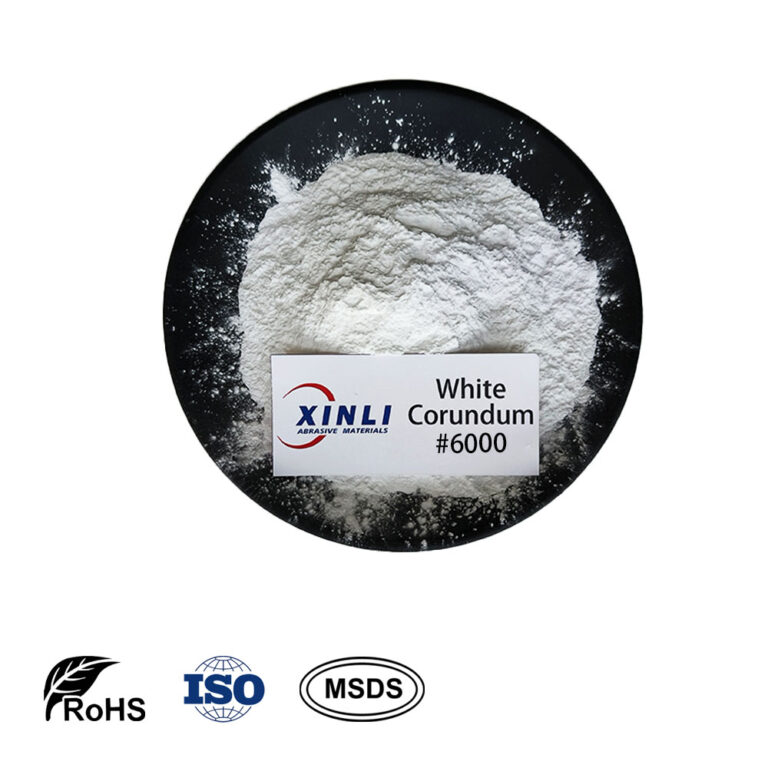
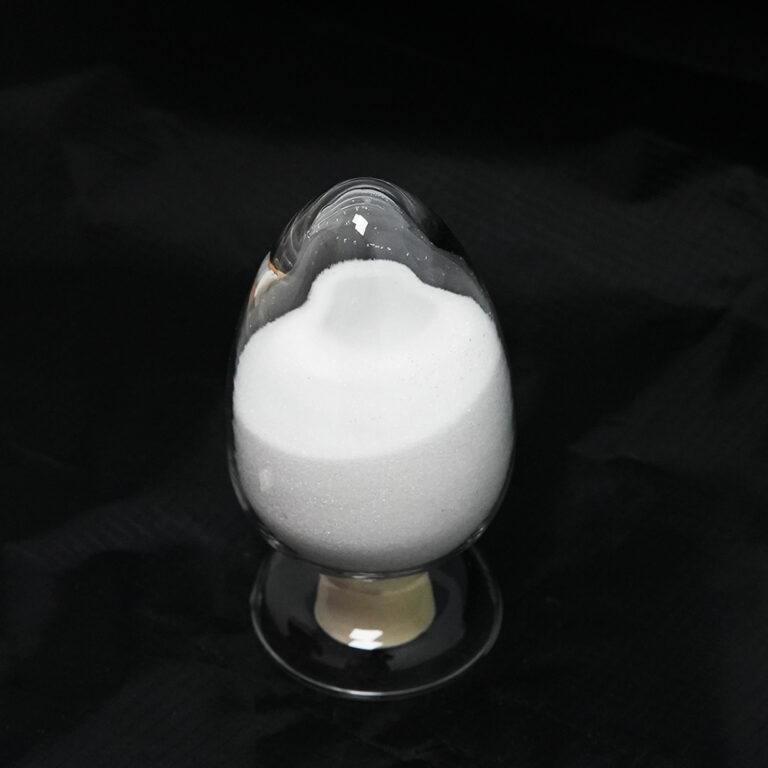
White Fused Alumina (WFA)—also known as White Aluminum Oxide—is the industry standard for high-purity, non-contaminating abrasive blasting. Electro-fused from high-purity alumina (99%+ Al₂O₃), it provides ultra-fast cutting speeds while ensuring zero metallic contamination.
Technical Core: What Makes White Fused Alumina Superior for Blasting?
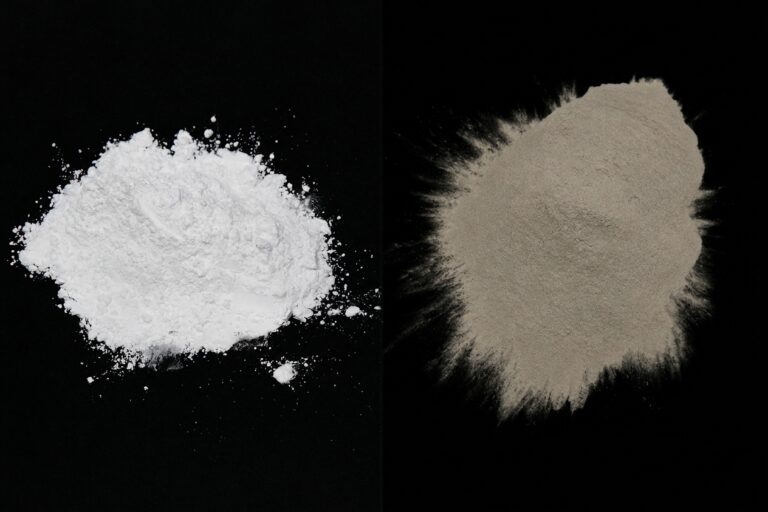
Compared to brown fused alumina or silicon carbide, White Fused Alumina possesses distinct mechanical and chemical properties engineered for sensitive surface treatment:
- ≥ 99% High Purity (Al₂O₃): Completely iron-free (Fe₂O₃ ≤ 0.03%). Prevents galvanic corrosion and discoloration on stainless steel and non-ferrous metals.
- Extreme Hardness (9.0 Mohs): Second only to diamond and silicon carbide, allowing it to cut through tough scale, thermal oxides, and stubborn coatings effortlessly.
- Friability & Sharp Edge Renewal: WFA particles shatter upon high-pressure impact, constantly exposing fresh, sharp cutting edges rather than rounding off, ensuring a consistent cutting rate throughout its lifecycle.
Key Blasting Applications for White Fused Alumina
1. Stainless Steel & Titanium Surface Preparation
Standard sandblasting media leaves microscopic iron particles lodged in stainless steel or titanium parts. When exposed to moisture, these particles oxidize, ruining the corrosion resistance of the metal.
– The Solution: Blasting with WFA FEPA F40 to F100 removes scale and creates a uniform anchor profile without iron contamination, fulfilling strict passivization and medical standards.
2. Etching & Satin Finishing on Glass and Ceramics
Achieving a smooth, frosted finish on optical glass, semiconductors, or architectural ceramics requires fine, high-purity grit.
– The Solution: Fine WFA mesh sizes (F120 to F240) produce an exquisite matte/satin surface profile without leaving dark specs or chemical residues behind.
3. Thermal Spray & Coating Pre-Treatment
Before applying plasma spray, thermal coatings, or heavy anti-corrosion epoxies, metal surfaces require a precise surface roughness (anchor pattern) to guarantee mechanical bonding.
– The Solution: Angular WFA grains quickly generate a predictable micro-roughness profile (2.0 – 4.5 mils), maximizing coating adhesion.
Mesh Size Selection & Operating Parameter Matrix
Selecting the right FEPA F-grit size and blasting pressure directly impacts cycle speed, finish quality, and abrasive consumption:
| Blasting Purpose | Recommended FEPA Size | Average Particle Size | Optimal PSI Range | Target Surface Profile |
|---|---|---|---|---|
| Heavy Scale Removal & Rough Etching | FEPA F24 – F36 | 500 – 850 μm | 70 – 90 PSI | Deep anchor pattern (3.0 – 4.5 mils) |
| General Deburring & Coating Prep | FEPA F40 – F80 | 150 – 425 μm | 60 – 80 PSI | Medium matte finish (1.5 – 2.5 mils) |
| Fine Cleaning & Glass Satin Finish | FEPA F100 – F220 | 53 – 125 μm | 40 – 60 PSI | Fine, uniform satin/frosted finish |
Recyclability & Blast Cabinet Optimization
White Fused Alumina can be recycled 6 – 10 times in closed-loop blast cabinets or blast rooms when proper dust extraction system parameters are maintained:
- Air Pressure Control: Keep blasting pressures below 90 PSI for delicate parts. Overly high pressure causes premature particle shattering, increasing dust without improving cleaning speed.
- Dust Collector Velocity: Adjust cabinet ventilation to separate fine, broken dust particles from reusable angular WFA grains to ensure a clean blasting environment.
Frequently Asked Questions (FAQ)
Q1: What is the main difference between White Fused Alumina and Brown Fused Alumina for sandblasting?
A: White Fused Alumina has higher purity (≥ 99% Al₂O₃), lower iron content, and higher friability. Brown Fused Alumina (≈ 95% Al₂O₃) is tougher and cheaper, making it better for general carbon steel blasting where minor iron contamination is acceptable.
Q2: Is White Fused Alumina blasting safe for workers?
A: Yes. Unlike natural quartz sand, White Fused Alumina contains zero free crystalline silica, eliminating the risk of silicosis when used with standard industrial dust collection equipment.
Request Technical Data Sheets & Bulk Pricing
We supply premium-grade White Fused Alumina (WFA) manufactured to strict FEPA, ANSI, and JIS standards for global sandblasting contractors and manufacturing plants.
[Contact Our Technical Sales Team] to request Technical Data Sheets (TDS), MSDS documentation, or a free sample batch for your facility testing.