 English

White Corundum vs Aluminum Oxide: What’s the Difference?
Are White Corundum and Aluminum Oxide two different materials?
Many buyers and industry professionals often confuse these two terms when sourcing abrasive materials. In fact, they are closely related rather than completely different materials. Aluminum Oxide (Al₂O₃), also known as Alumina, is a broad category of industrial materials, while White Corundum is a specific type of high-purity aluminum oxide produced through an electric arc furnace fusion process.
White Corundum is also commonly known as White Fused Alumina (WFA) or White Aluminum Oxide in the abrasive industry. Understanding the relationship between these names can help buyers identify the right abrasive material, compare product specifications, and communicate more effectively with manufacturers and suppliers.
1. What Is Aluminum Oxide?
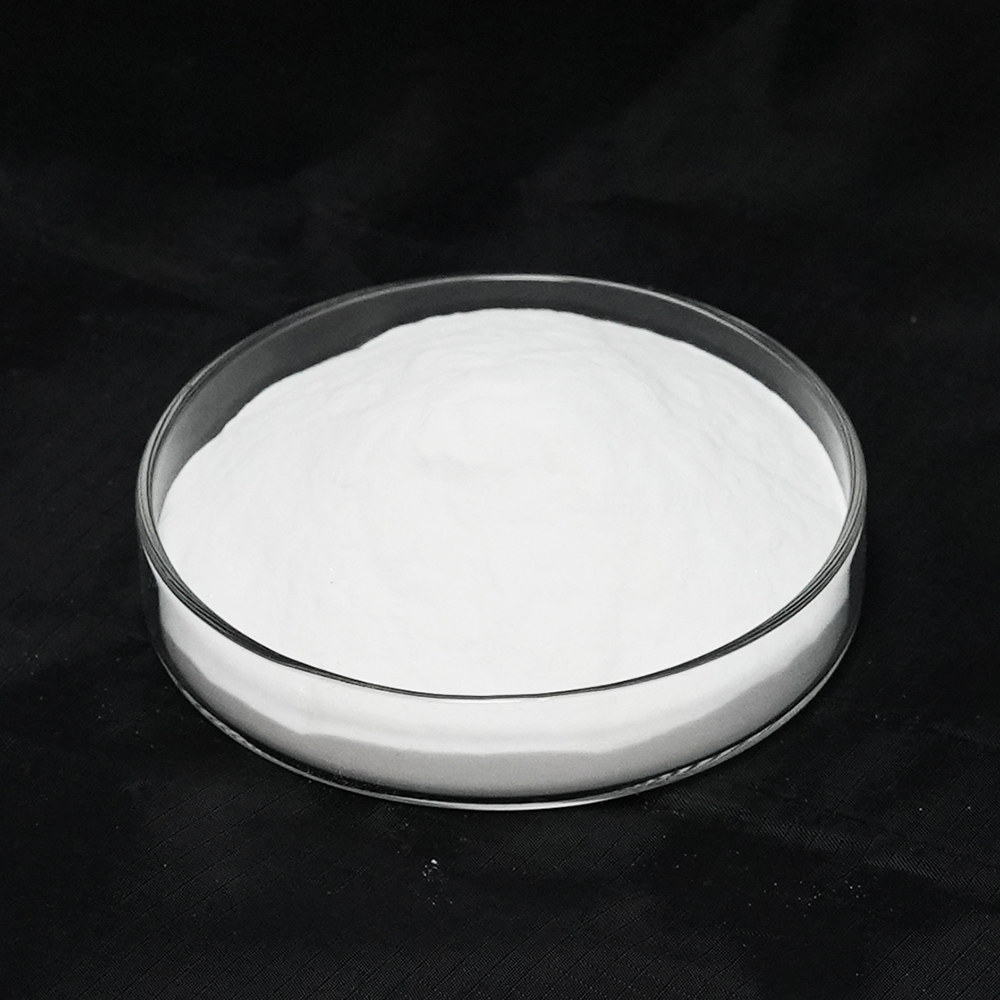
Aluminum Oxide, also known as Alumina, is an inorganic chemical compound with the formula Al₂O₃. It is one of the most widely used industrial oxide materials due to its hardness, thermal stability, chemical resistance, and electrical insulating properties.
Aluminum Oxide is a broad material category rather than a single specific abrasive product. Depending on its manufacturing process, crystal structure, purity, and physical properties, it can be produced in different forms for various industrial applications.
Common types of Aluminum Oxide include:
A high-purity fused alumina material produced in an electric arc furnace. It is widely used in abrasive tools, blasting media, precision grinding, and refractory applications.
A fused alumina abrasive commonly used in grinding, sandblasting, and surface preparation. It is generally produced using bauxite-based raw materials and contains different levels of impurities compared with white fused alumina.
3. Calcined Alumina
Produced through the calcination of aluminum hydroxide or other alumina-containing materials. It is widely used in advanced ceramics, refractory products, and industrial manufacturing.
4. Activated Alumina
A porous form of aluminum oxide with a high surface area. It is commonly used for adsorption, drying, and water treatment.
5. Tabular Alumina
A high-temperature sintered alumina material characterized by its dense crystal structure. It is primarily used in high-performance refractory products.
Therefore, Aluminum Oxide covers a wide range of materials with different properties and applications. White Corundum is one specific type within this broader material family.
2. What Is White Corundum?
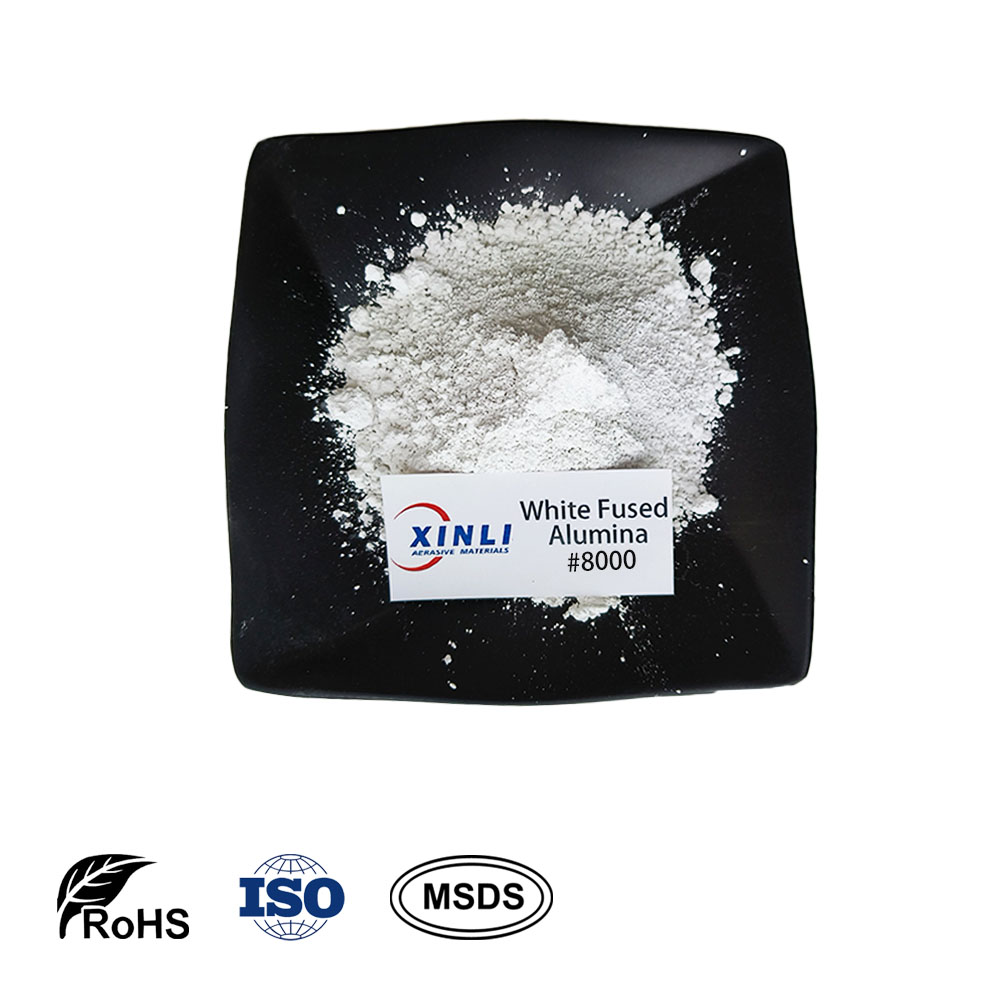
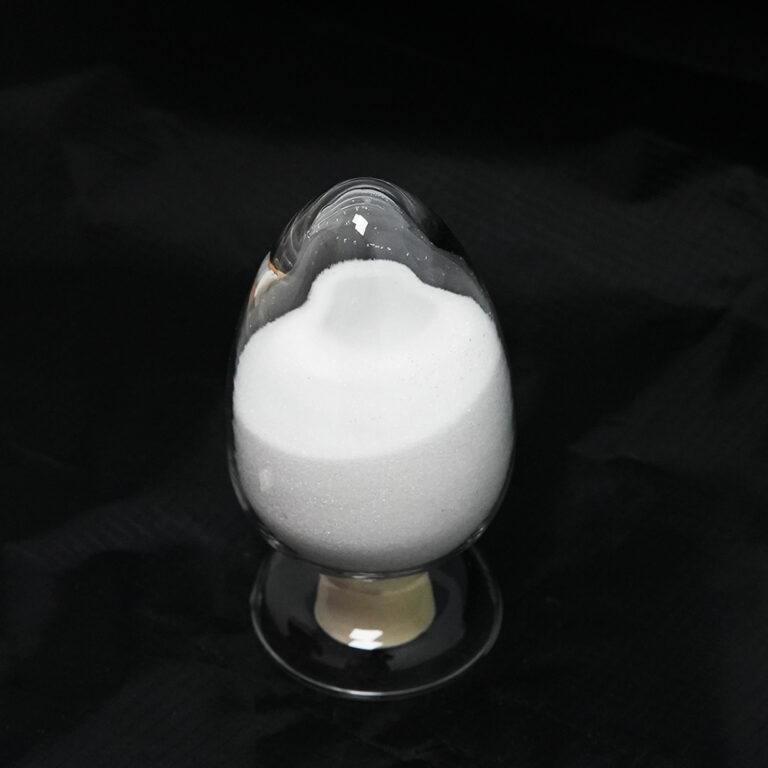
White Corundum is a high-purity synthetic abrasive material primarily composed of aluminum oxide (Al₂O₃). It is manufactured by melting high-quality alumina in an electric arc furnace at high temperatures, followed by cooling, crushing, and particle-size classification.
Compared with many other abrasive materials, White Corundum is valued for its high purity, hardness, sharp grain characteristics, and good chemical stability.
Its properties make it suitable for industrial applications requiring effective material removal, controlled grinding, and precision surface finishing.
Key Characteristics of White Corundum
| Property | Typical Characteristics |
|---|---|
| Chemical Formula | Al₂O₃ |
| Al₂O₃ Content | Typically ≥99.5% |
| Appearance | White crystalline grains or powder |
| Mohs Hardness | Approximately 9 |
| Melting Point | Approximately 2050°C |
| Chemical Stability | Good |
| Main Applications | Abrasives and refractories |
Note: Actual chemical specifications may vary depending on the product grade and manufacturer.
Main Advantages of White Corundum
- High Purity: High aluminum oxide content makes it suitable for applications requiring low impurity levels.
- Excellent Hardness: Its high hardness supports effective grinding and abrasive performance.
- Sharp Grain Characteristics: Its crystalline grain structure provides effective cutting action in various abrasive processes.
- Good Chemical Stability: Suitable for a wide range of industrial processing environments.
- Consistent Particle Sizes: Available in different grit sizes and fine powders to meet specific processing requirements.
3. White Corundum vs Aluminum Oxide: Key Differences
The main difference between White Corundum and Aluminum Oxide is their material classification.
Aluminum Oxide is the general chemical name for Al₂O₃, while White Corundum refers to a specific high-purity fused alumina material.
In other words, White Corundum belongs to the Aluminum Oxide material family, but not all Aluminum Oxide products are White Corundum.
The following table summarizes their main differences.
| Comparison | White Corundum | Aluminum Oxide |
|---|---|---|
| Material Classification | Specific type of fused alumina | Broad material category |
| Chemical Formula | Al₂O₃ | Al₂O₃ |
| Production Method | Electric arc furnace fusion | Various manufacturing processes |
| Purity | Typically ≥99.5% | Varies by grade |
| Appearance | White crystalline grains or powder | Varies by material type |
| Hardness | Approximately 9 Mohs | Depends on material form |
| Main Applications | Abrasives and refractories | Abrasives, ceramics, electronics, refractories |
For industrial buyers, this distinction is particularly important when selecting abrasive materials. A product labeled simply as Aluminum Oxide may refer to different alumina materials, so buyers should check its specific type, manufacturing process, and technical specifications.
4. Is White Corundum the Same as White Fused Alumina?
Yes. White Corundum and White Fused Alumina generally refer to the same synthetic abrasive material in the international abrasive industry.
White Fused Alumina (WFA) is the widely used industrial and commercial name, describing the material’s production process and composition. White Corundum is another commonly used name that emphasizes its white appearance and corundum crystal structure.
Buyers may also encounter the following product names when searching for this material:
| Product Name | Description |
|---|---|
| White Fused Alumina | Standard industrial name |
| White Corundum | Common alternative name |
| White Aluminum Oxide | Common commercial name for white alumina abrasive |
| White Alumina | Shortened commercial expression |
| WFA | Industry abbreviation |
Although these terms are frequently used interchangeably in abrasive purchasing, buyers should still confirm the material’s manufacturing process, chemical composition, and particle-size specifications before placing an order.
For international procurement, White Fused Alumina (WFA) is generally the clearest and most widely recognized product name.
5. Main Applications of White Corundum Abrasives
White Corundum is widely used in industrial manufacturing because of its high hardness, sharp abrasive characteristics, and consistent material properties.
Depending on particle size and processing requirements, it can be used in several types of abrasive and refractory applications.
5.1 Sandblasting and Surface Preparation
White Corundum is widely used as blasting media for cleaning and surface preparation.
Its sharp abrasive grains help remove oxidation, surface contaminants, and coatings while creating a suitable surface profile for subsequent treatments.
It is suitable for processing stainless steel, aluminum alloys, and other metal components where minimizing iron contamination is important.
Common applications include:
- Stainless steel surface cleaning
- Metal surface preparation
- Paint and coating removal
- Precision component cleaning
- Industrial blasting operations
5.2 Grinding Wheels and Bonded Abrasives
White Fused Alumina is commonly used in bonded abrasive products, including grinding wheels, cutting wheels, and other abrasive tools.
Its hardness and abrasive cutting characteristics make it suitable for grinding operations that require controlled material removal and surface finishing.
It can be used in the manufacture of abrasive tools for:
- Precision grinding wheels
- Cutting and grinding discs
- Tool grinding applications
- Metal surface finishing
- Industrial bonded abrasives
5.3 Coated Abrasives
White Corundum grains can also be used in coated abrasive products such as abrasive paper, sanding belts, and abrasive cloth.
Depending on grain size, coating technology, and bonding systems, these products can be used for metal finishing, tool manufacturing, and general industrial sanding.
5.4 Precision Grinding and Polishing
Fine White Corundum powders are used in selected grinding, lapping, and surface-finishing processes.
Particle size is particularly important because it influences surface roughness, material removal rates, and finishing performance.
Fine grades are suitable for applications requiring controlled abrasive action and consistent particle distribution.
5.5 Refractory and Ceramic Applications
White Fused Alumina is also used as a raw material in refractory and ceramic manufacturing.
Its high alumina content, thermal stability, and chemical resistance make it suitable for selected high-temperature industrial applications.
Typical applications include:
- Refractory castables
- Shaped refractory products
- High-alumina refractory materials
- Industrial ceramic components
- High-temperature furnace materials
6. How to Choose the Right White Corundum Grade?
When purchasing White Corundum, buyers should consider more than just the product name.
Different industrial applications require different particle sizes, chemical compositions, and physical characteristics.
The following specifications are particularly important.
| Specification | What Buyers Should Check |
|---|---|
| Al₂O₃ Content | Chemical purity and composition |
| Na₂O Content | Sodium oxide impurity level |
| Grain Size | FEPA, JIS, or other applicable standards |
| Particle Size Distribution | Actual particle distribution |
| Bulk Density | Important for certain processing applications |
| Magnetic Content | Relevant for contamination-sensitive applications |
| Packaging | Bags, jumbo bags, or customized packaging |
Choosing the Right Particle Size
Particle size is one of the most important factors affecting abrasive performance.
Different grit sizes are suitable for different levels of material removal and surface finishing.
| Grain Size | Typical Application |
|---|---|
| F12–F24 | Heavy-duty blasting and coarse grinding |
| F30–F46 | General abrasive applications |
| F60–F80 | Surface preparation and grinding |
| F100–F120 | Fine grinding |
| F150–F220 | Fine finishing and polishing |
| F240 and finer | Precision finishing and micro-abrasive applications |
Note: These are general application guidelines. Actual particle-size selection depends on the abrasive process, equipment, substrate, and applicable grain-size standards.
Before purchasing, buyers should confirm whether the supplier follows FEPA, JIS, or another relevant particle-size classification system.
7. What Should Buyers Look for in a White Corundum Manufacturer?
Selecting a reliable White Corundum manufacturer is important for maintaining consistent product quality and a stable supply chain.
Before placing an order, industrial buyers should evaluate several factors.
1. Manufacturing Experience
Check the manufacturer’s experience in producing White Fused Alumina abrasives and its ability to supply different grain sizes and powder specifications.
2. Chemical Composition
Request technical data sheets to verify Al₂O₃ content, Na₂O content, and other relevant chemical parameters.
3. Particle Size Consistency
Ask about grain classification, screening processes, and particle-size distribution testing.
Consistent particle sizes help maintain stable abrasive performance across different production batches.
4. Production Capacity
For long-term procurement, evaluate production capacity, inventory availability, and delivery arrangements.
A manufacturer with stable production capabilities can better support repeat orders and large-volume requirements.
5. Quality Control
Reliable manufacturers should have established inspection procedures and provide product specifications or test reports when required.
Working directly with a manufacturer can also help buyers communicate their technical requirements more efficiently and develop stable long-term supply relationships.
8. Frequently Asked Questions (FAQ)
Q1: Is White Corundum the Same as Aluminum Oxide?
Not exactly. White Corundum is a specific type of high-purity aluminum oxide produced through an electric arc furnace fusion process. Aluminum Oxide is a broader material category that includes different types of alumina products.
Q2: Is White Corundum the Same as White Fused Alumina?
Yes. In the abrasive industry, White Corundum is commonly used as an alternative name for White Fused Alumina (WFA). Both generally refer to the same synthetic abrasive material.
Q3: Is White Aluminum Oxide the Same as White Corundum?
In most abrasive purchasing contexts, yes. White Aluminum Oxide and White Corundum commonly refer to White Fused Alumina. Buyers should verify the material’s specifications and manufacturing process when sourcing products.
Q4: What Is the Chemical Formula of White Corundum?
The chemical formula of White Corundum is Al₂O₃. High-quality White Fused Alumina abrasive typically contains at least 99.5% aluminum oxide, depending on the product grade.
Q5: What Is the Difference Between White Corundum and Brown Corundum?
Both are fused alumina abrasives, but they differ in raw material composition, impurity levels, appearance, and certain abrasive characteristics.
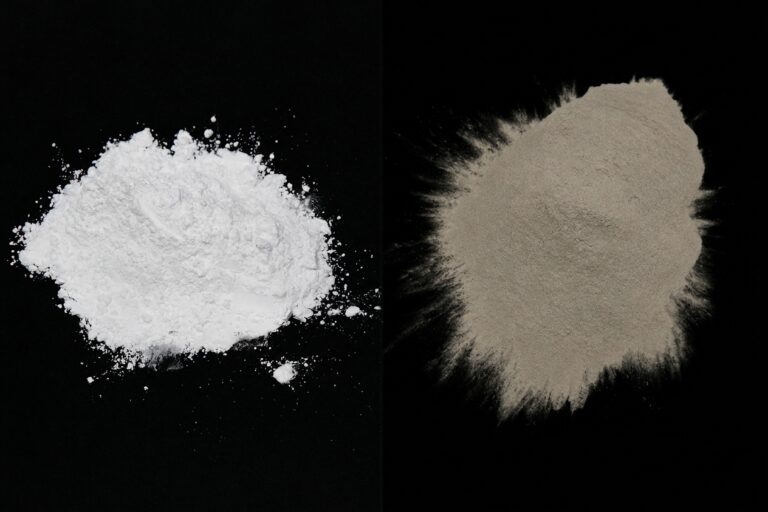
White Corundum generally has higher alumina purity and a white appearance, while Brown Corundum typically contains more impurities and is widely used in general-purpose grinding and blasting applications.
Q6: What Is WFA?
WFA stands for White Fused Alumina. It is a high-purity synthetic abrasive material also known as White Corundum or White Aluminum Oxide.
Q7: What Is the Difference Between White Corundum Grit and White Corundum Powder?
White Corundum grit generally refers to coarser classified abrasive grains used in blasting, grinding, and refractory applications.
White Corundum powder refers to finer particles used in precision grinding, lapping, and polishing processes.
Q8: How Do I Choose a Reliable White Corundum Supplier?
Look for manufacturers with stable production capacity, consistent chemical composition, reliable particle-size classification, quality inspection procedures, and experience serving international customers.
Requesting technical data sheets and product samples can also help evaluate whether the material meets your application requirements.
9. Conclusion
White Corundum and Aluminum Oxide are closely related materials, but they represent different levels of material classification.
Aluminum Oxide is the general chemical name for Al₂O₃ and covers a wide range of industrial materials. White Corundum is a specific type of high-purity fused alumina produced through an electric arc furnace fusion process.
In the abrasive industry, White Corundum is also commonly known as White Fused Alumina (WFA) or White Aluminum Oxide.
Understanding these naming differences helps industrial buyers identify the correct abrasive material, compare technical specifications, and communicate more effectively with manufacturers and suppliers.
If you are looking for a reliable White Fused Alumina manufacturer, Xinli Abrasives provides different abrasive grain sizes and powder specifications for industrial applications.
Contact Xinli Abrasives to discuss your White Corundum requirements, including abrasive grit, fine powder, chemical specifications, and customized particle sizes.